
National parks of Tanzania
Ngorongoro Crater
A collapsed volcano filled with wildlife.
The Ngorongoro Crater is the world’s largest intact, unflooded volcanic caldera: a 260 km² bowl about 600 metres deep in northern Tanzania, where around 25,000 large animals live year-round, including one of the last black rhino populations in East Africa. It lies inside the Ngorongoro Conservation Area, a UNESCO World Heritage Site since 1979.
Why visit the Ngorongoro Crater
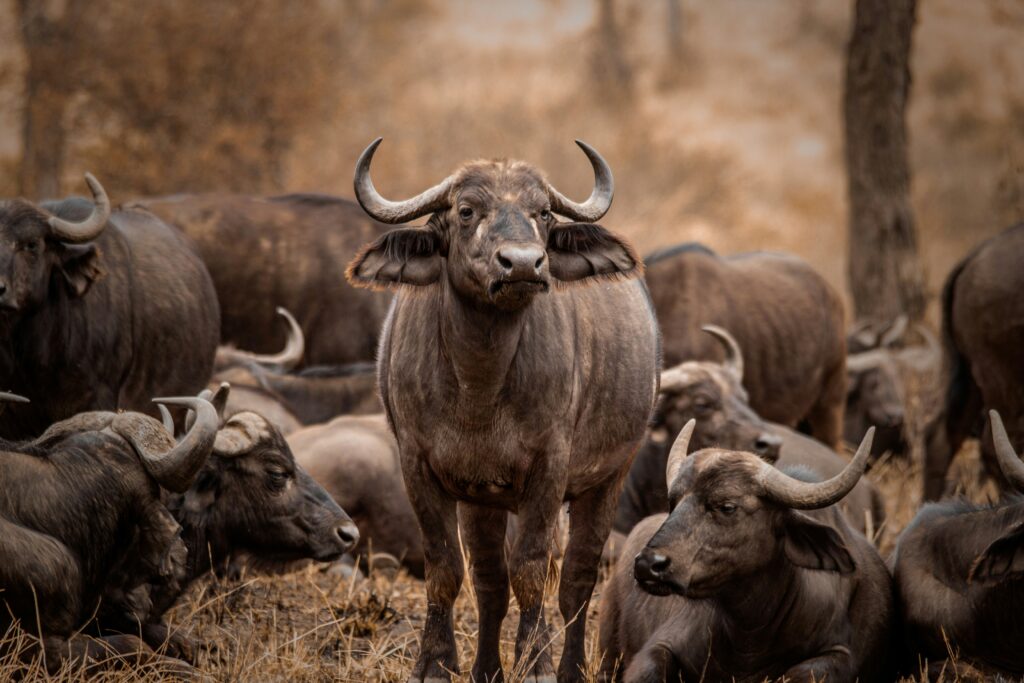
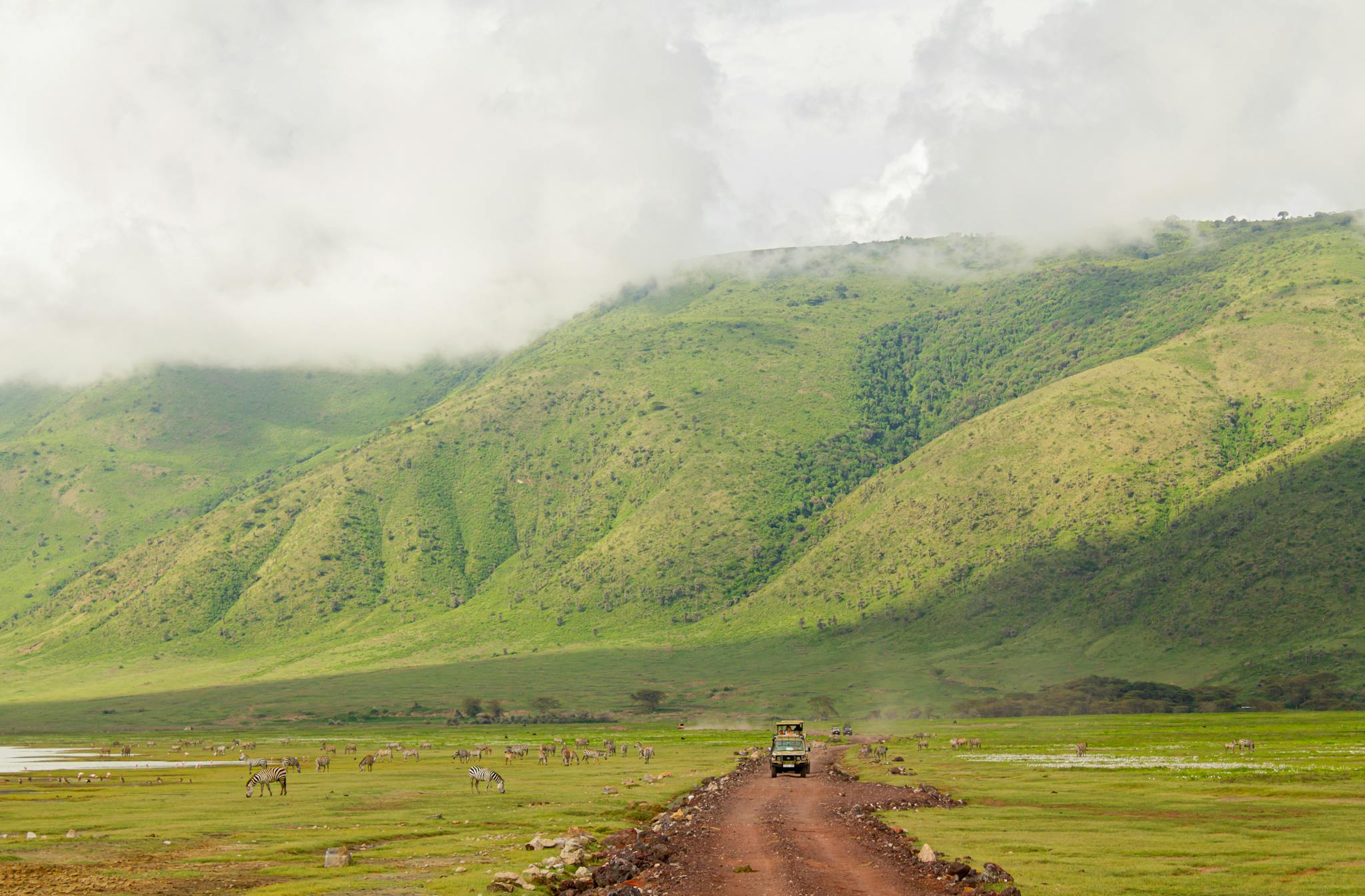
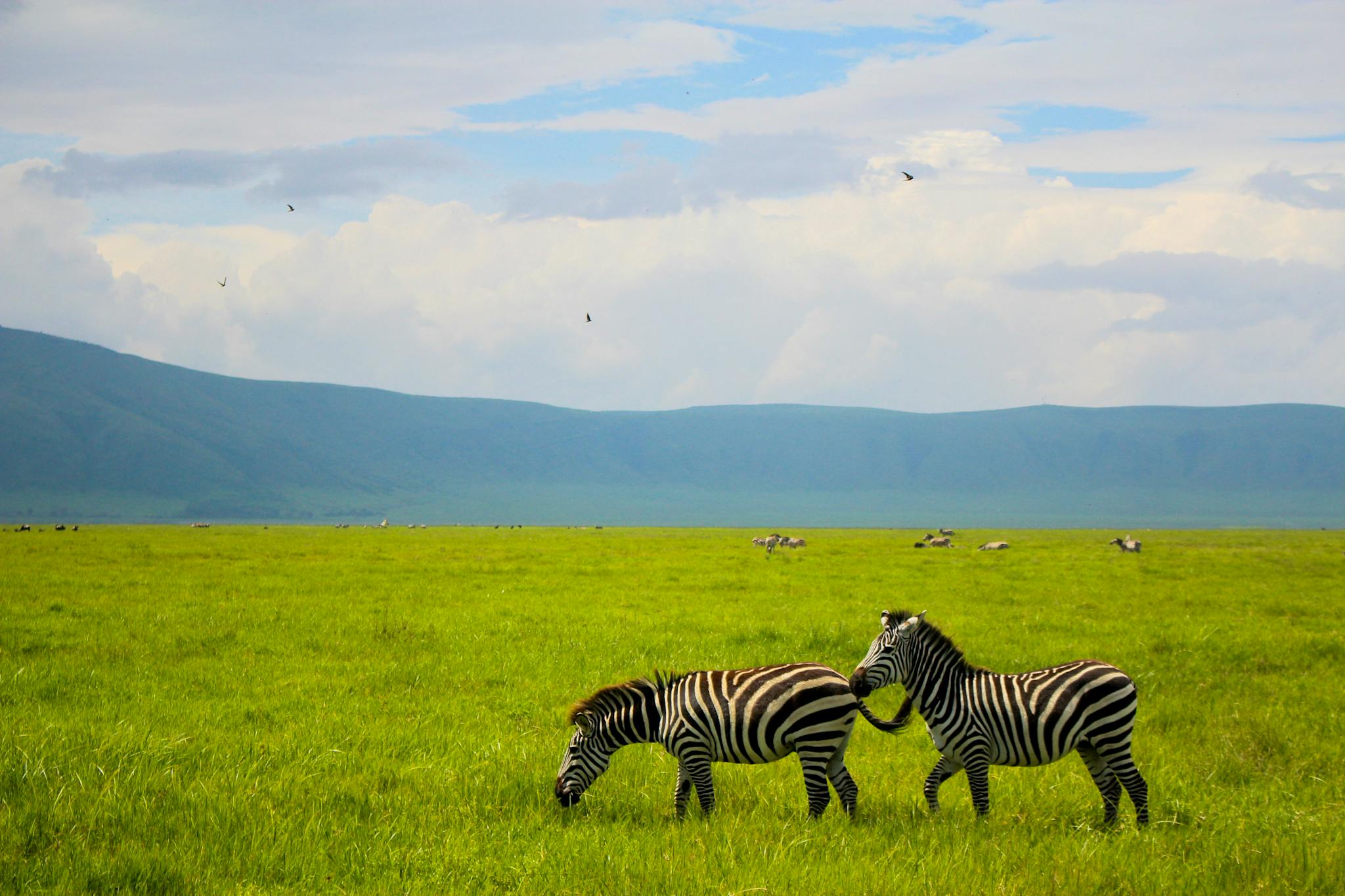
The crater floor packs grassland, swamps, a soda lake and acacia forest into one sweep of view. Lions, hyenas, buffalo, zebra, wildebeest, hippos and flamingos all live inside, and the steep walls keep much of the wildlife there all year. It is one of the best places in Africa to see black rhino, and one of the few where you can try for the Big Five in a single day.
How the crater formed
The crater was created around 2.5 million years ago, when a huge volcano collapsed in on itself. What is left is a near-circular caldera 16 to 19 km across, with walls rising about 600 metres from the floor to the forested rim. Lake Magadi, the Lerai fever-tree forest and the Ngoitokitok spring create a closed world that most wildlife rarely needs to leave.
Ngorongoro Crater wildlife
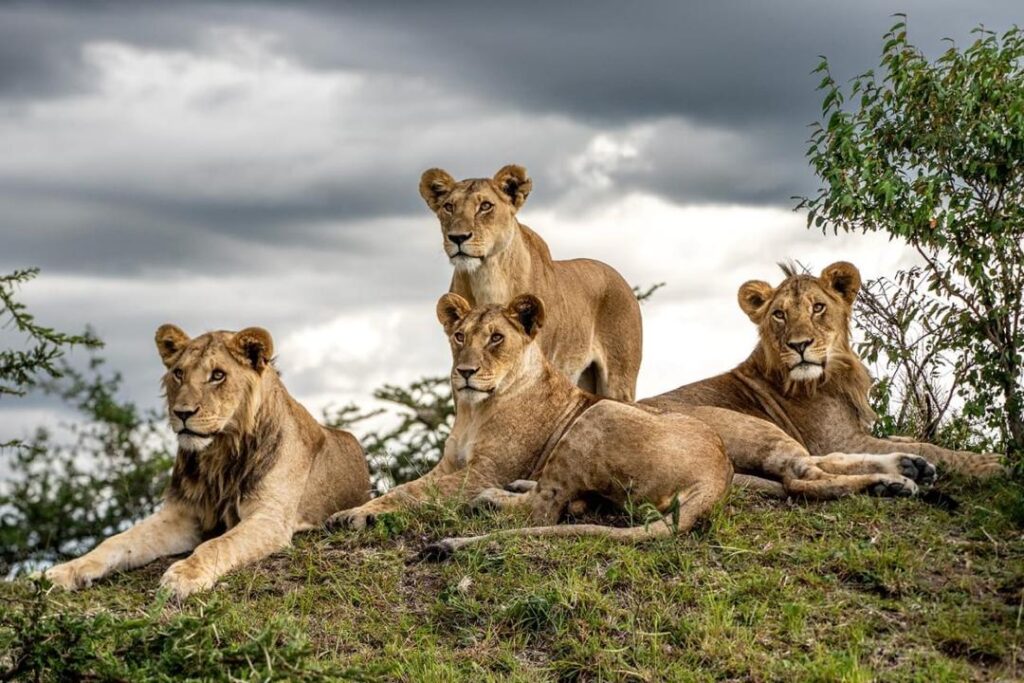
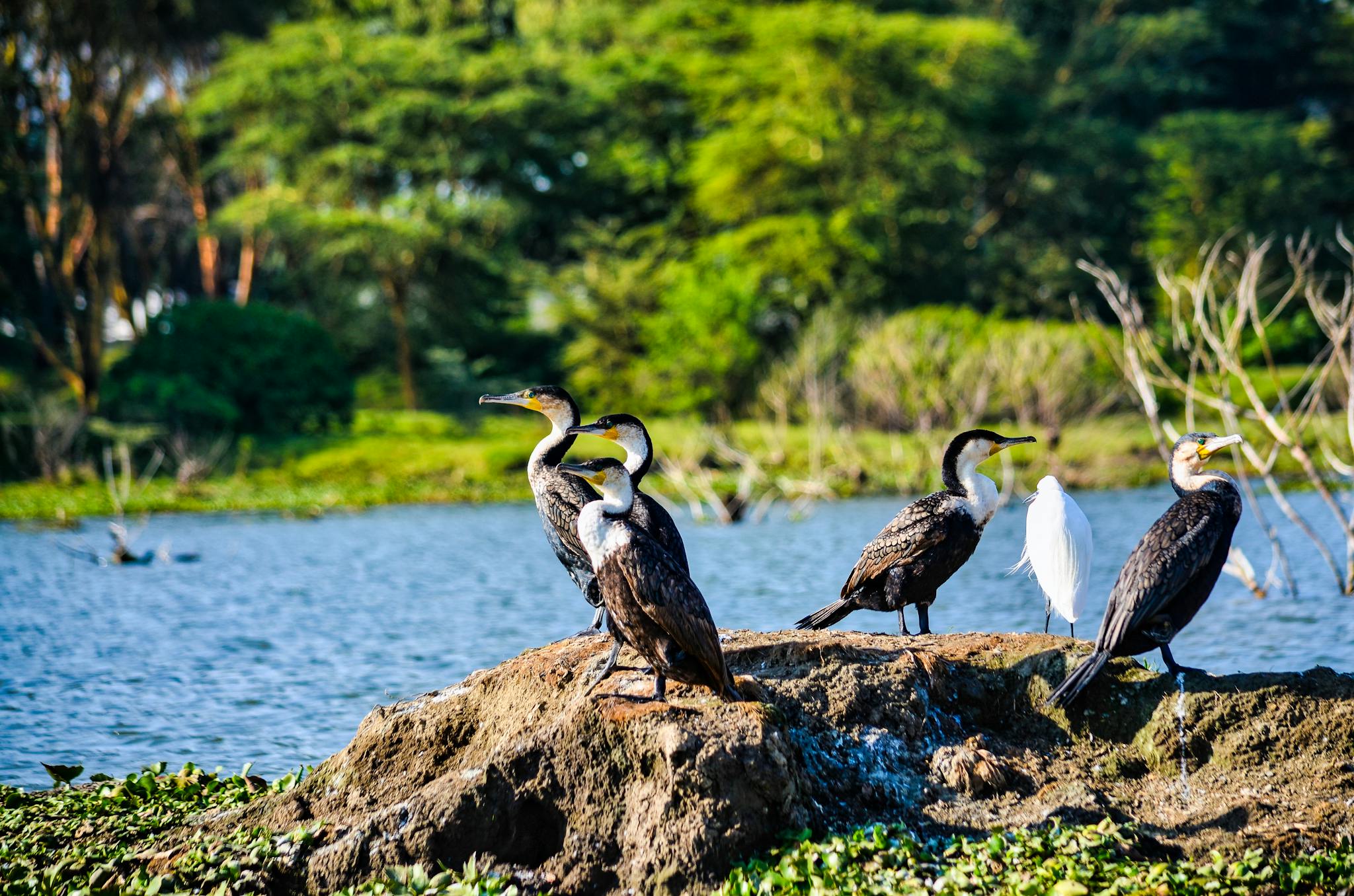
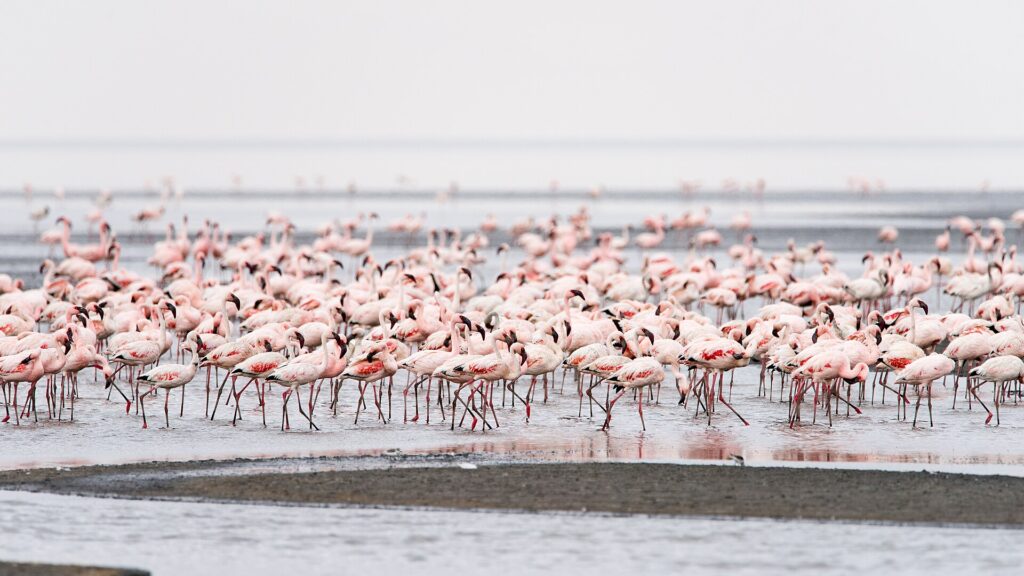
Expect lions, spotted hyenas, buffalo, elephant bulls, hippos, zebra, wildebeest, Grant’s and Thomson’s gazelles, jackals and, with luck, black rhino and serval. Lake Magadi often turns pink with flamingos, and more than 500 bird species are recorded across the conservation area. Giraffes are the one big absence: the steep walls keep them out of the crater.
The Ngorongoro Conservation Area
The crater sits inside the 8,292 km² Ngorongoro Conservation Area, where Maasai herders still live alongside wildlife. The area also includes Olduvai Gorge, one of the world’s most important sites for early human history, and the Ndutu plains where the migration calves.
Things to do in the Ngorongoro Conservation Area
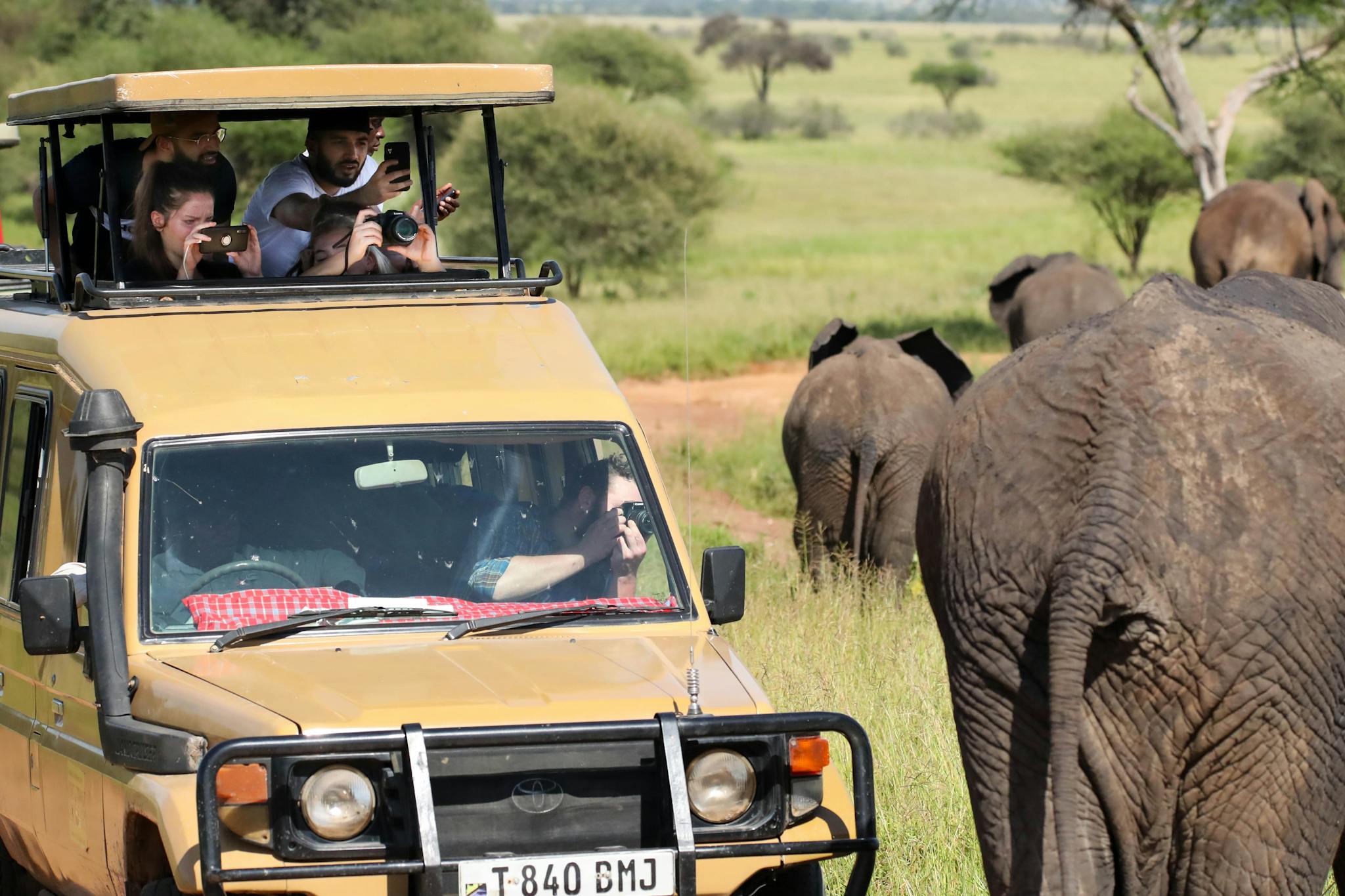
- Crater floor game drive: descend 600 m in a 4×4 Land Cruiser for a half or full day, with a picnic at the hippo pool.
- Olduvai Gorge: the “Cradle of Humankind”, where the Leakeys found early human fossils almost 2 million years old, with a museum on site.
- Empakaai and Olmoti craters: quiet highland craters for guided hikes with an armed ranger; Empakaai has a flamingo-lined crater lake.
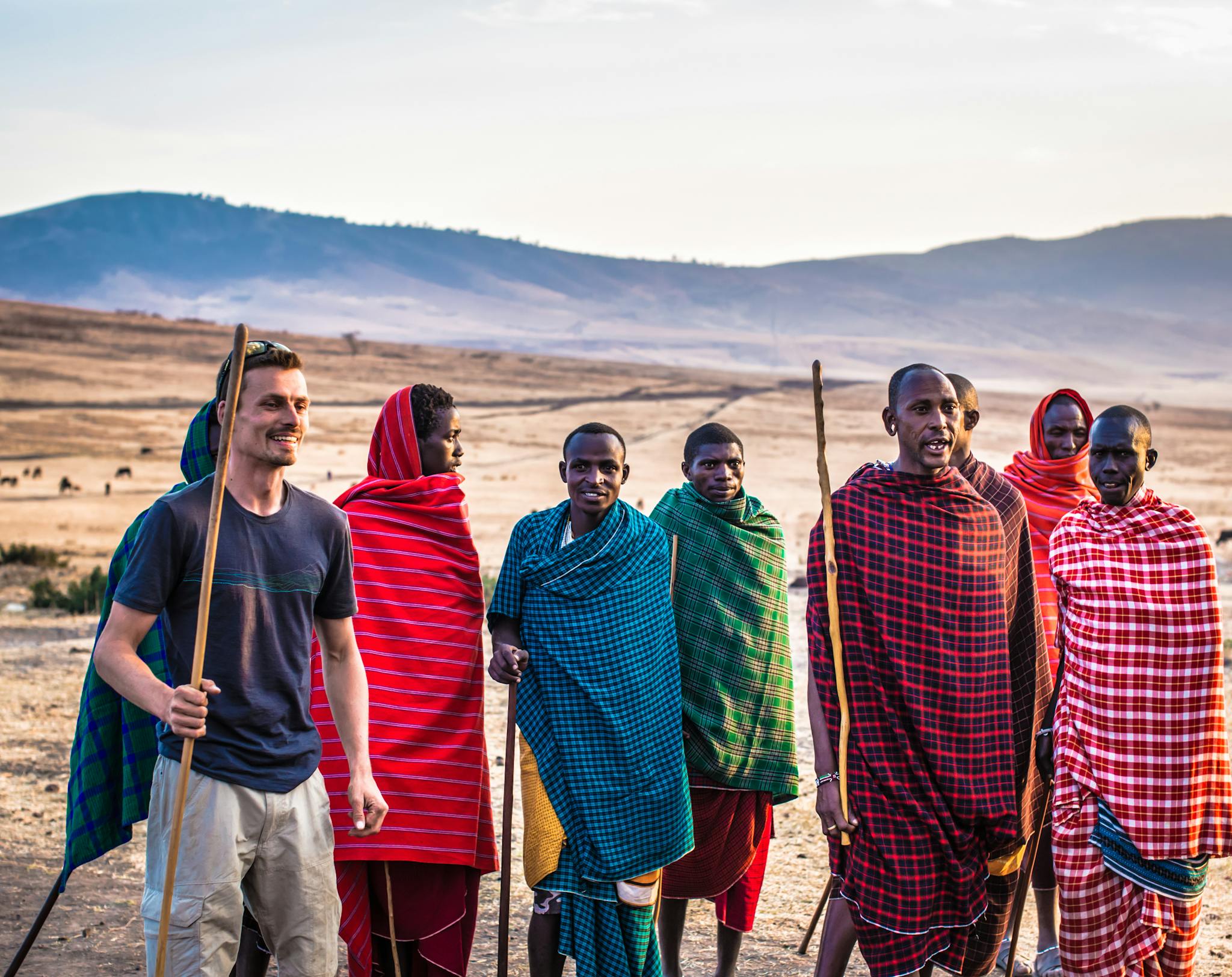
- Maasai village visit: meet the Maasai families who share the conservation area with wildlife.
- Laetoli footprints: 3.6-million-year-old hominin footprints preserved in volcanic ash, with a replica shown at Olduvai.
Best time to visit the Ngorongoro Crater
Wildlife stays in the crater all year, so there is no bad month. The seasons change the scenery, the crowds and the price.
| Months | Season | What to expect |
|---|---|---|
| June to October | Dry season, peak | Short grass, clear views and easy wildlife spotting; cold mornings on the rim |
| November and December | Short rains, shoulder | Green crater, fewer vehicles, migrant birds |
| January to March | Green season, high | Lush crater floor and calving on the nearby Ndutu plains |
| April and May | Long rains, low | Quietest months and lowest lodge rates; some roads are muddy |
How to get to the Ngorongoro Crater
The Loduare gate is about 180 km from Arusha, roughly 3 to 4 hours on a paved road via Mto wa Mbu and Karatu. Most safaris combine the crater with Tarangire, Lake Manyara and the Serengeti, staying on the crater rim or in Karatu the night before an early descent. The nearest airstrips are Lake Manyara and Ndutu.
Ngorongoro Crater fees and safari cost (2026)
Non-resident adults pay a Ngorongoro Conservation Area fee of US$70.80 per person per 24 hours, including VAT, and each vehicle pays a crater service fee of US$295 per descent. Because the crater fee is per vehicle, a private safari for two to six people shares it. All our crater safaris include these fees, from day trips to the 2-day Tarangire and Ngorongoro safari. Fees are set by the Ngorongoro Conservation Area Authority and can change, so every quote shows the current rate.
Where to stay near the Ngorongoro Crater
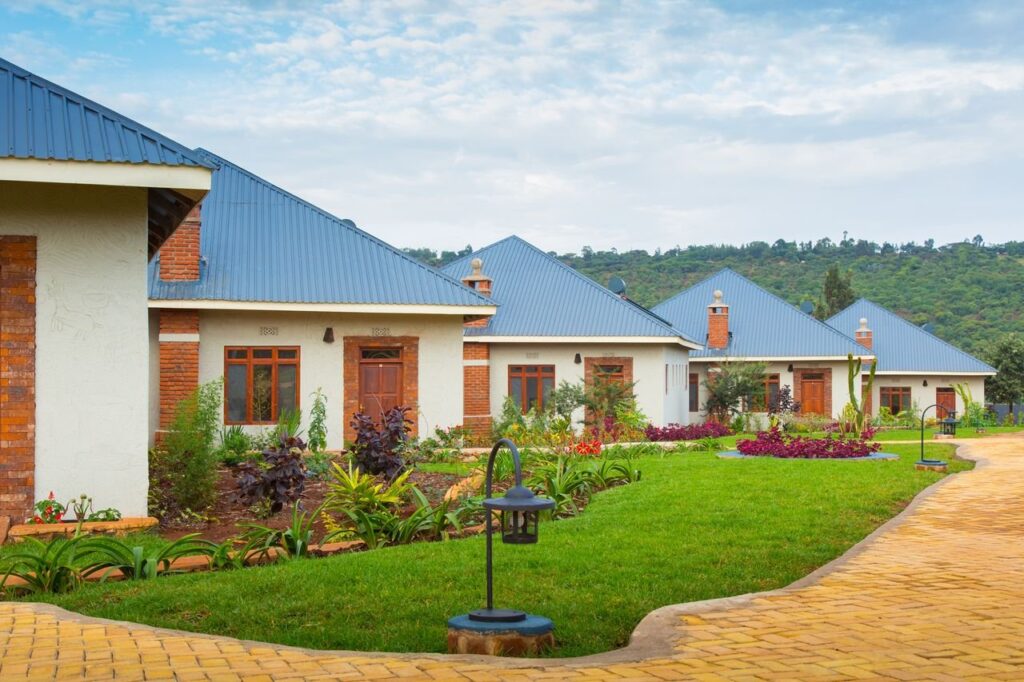
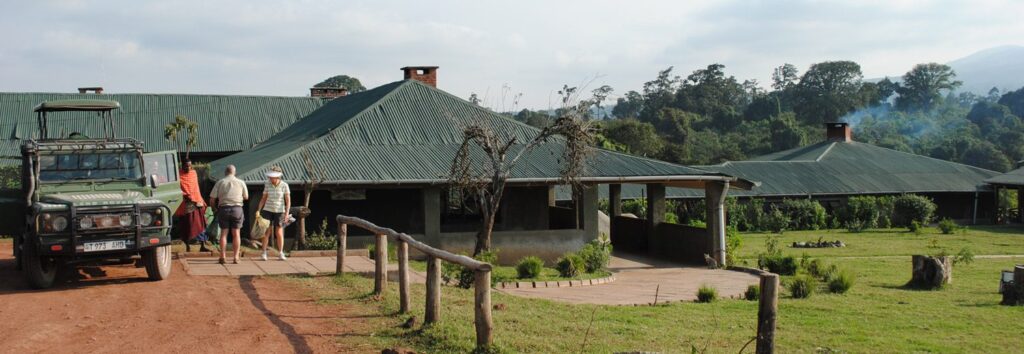
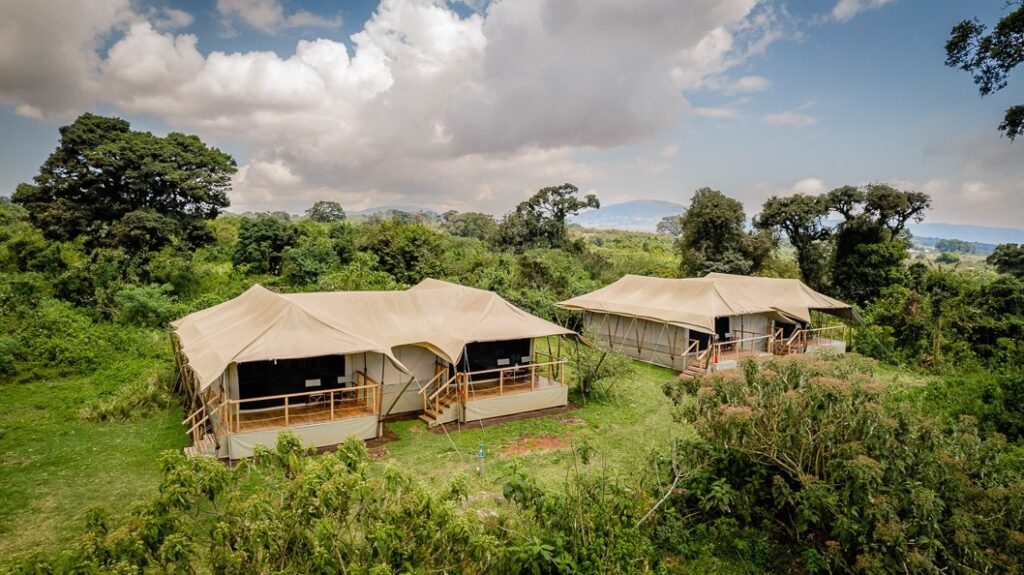
Stay on the crater rim at lodges like Ngorongoro Serena or Meliá Ngorongoro for the views and an early start, or in the green highlands around Karatu, such as Oldeani Mountain Lodge, for better value about 45 minutes from the gate.
How we run crater safaris
We start early, descend at opening time and spend up to six hours on the crater floor with a picnic lunch by the hippo pool, then climb out in the afternoon light.
Highlights of Ngorongoro Crater
- Black rhino on the open crater floor
- Lions and hyenas hunting in the grassland
- Picnic lunch at the hippo pool
- Flamingos on Lake Magadi
- Views from the crater rim at dawn
Where to stay
Accommodation in and near Ngorongoro Crater
 NgorongoroMid-range
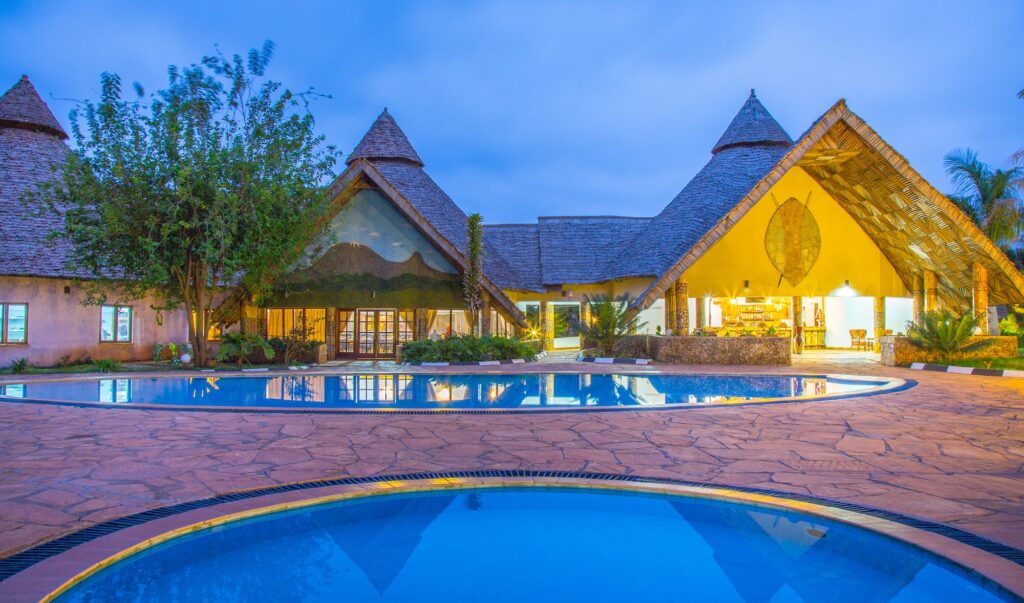 NgorongoroMid-range
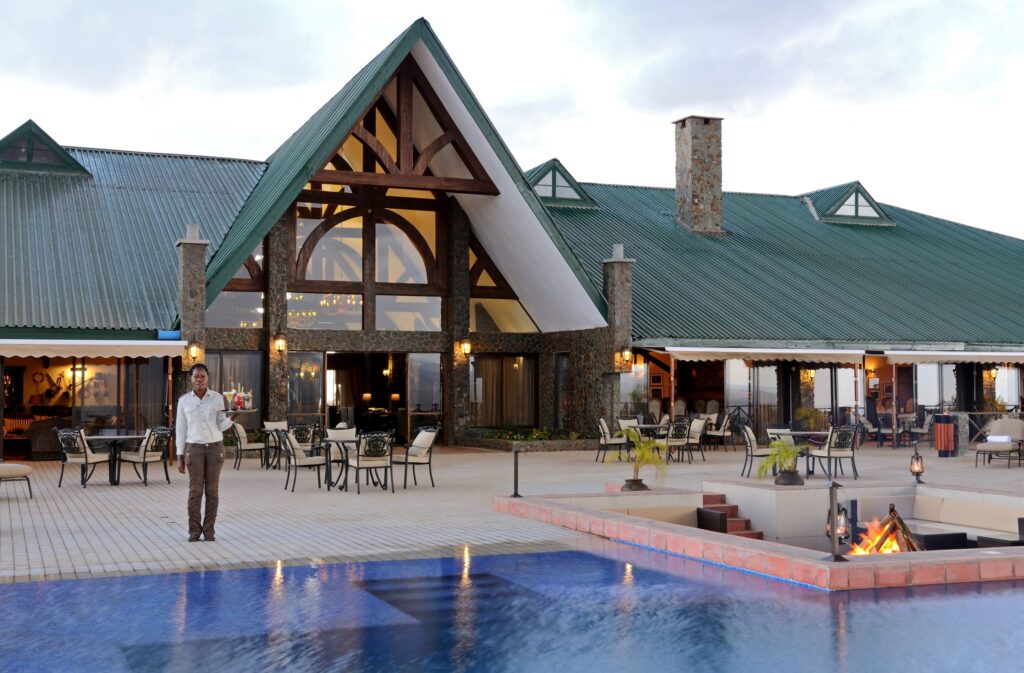 NgorongoroLuxury
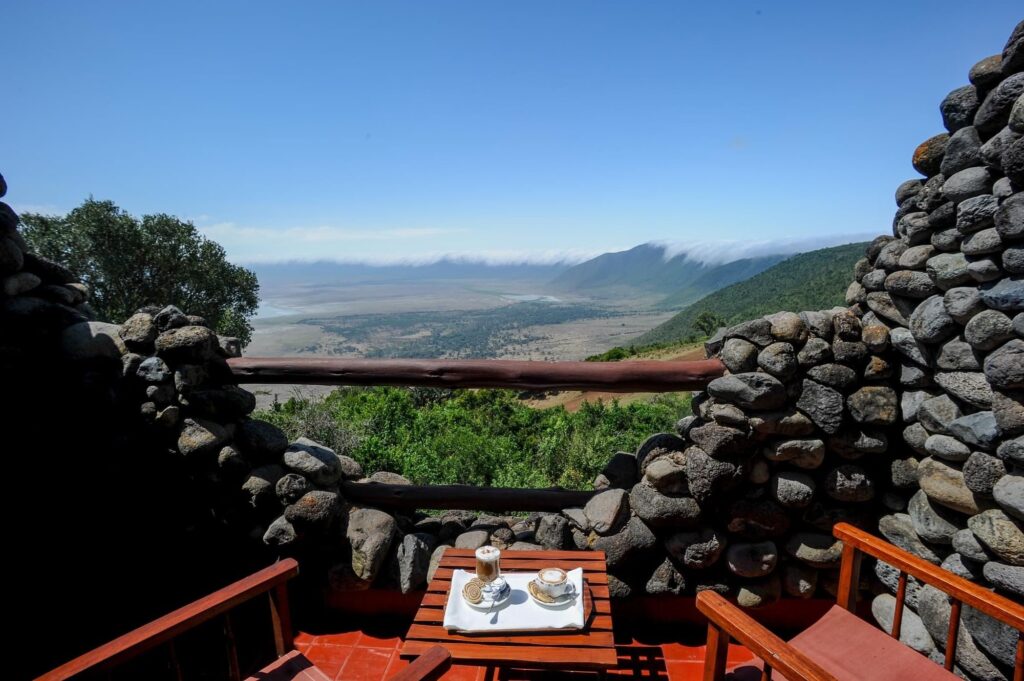 NgorongoroLuxury
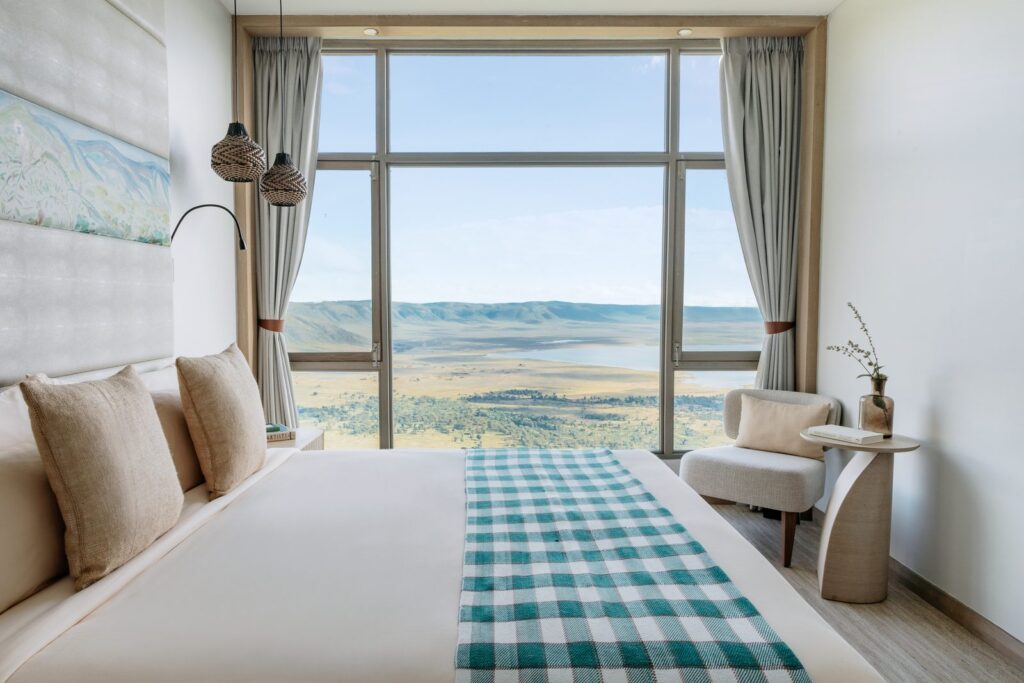 NgorongoroLuxury
 NgorongoroMid-range
 NgorongoroMid-range
Things to do
Experiences at Ngorongoro Crater
Safaris
Our safaris that visit Ngorongoro Crater
1-Day Ngorongoro Crater Safari Experience1 dayFrom $260 per person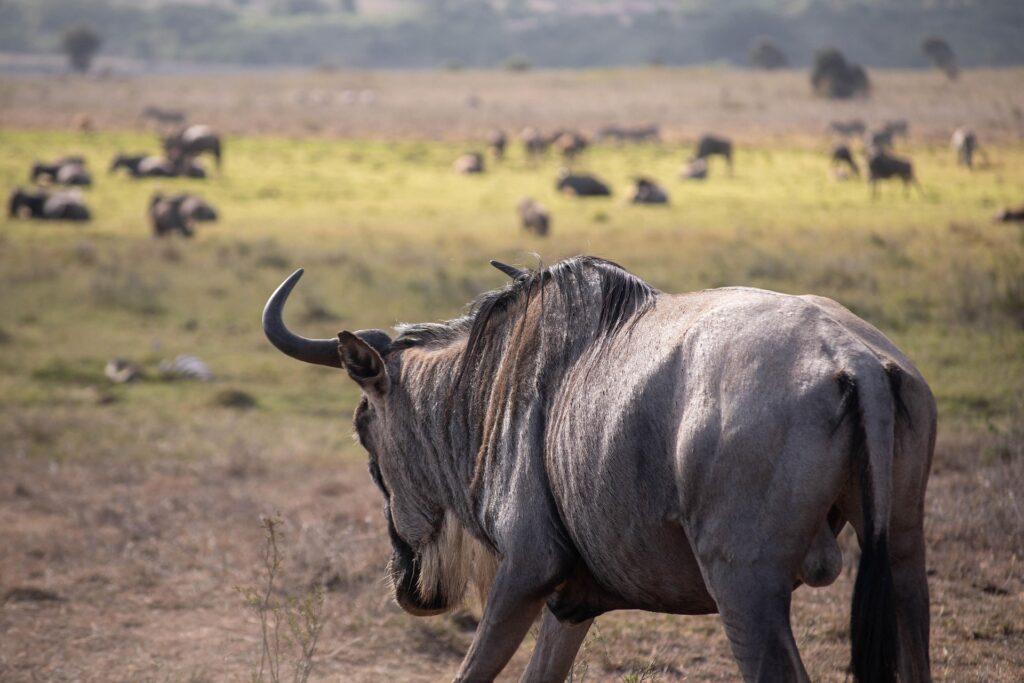 Day Trip To Ngorongoro Crater1 dayFrom $450 per person
 2-Day Tanzania Group Joining & Camping Safari2 daysFrom $450 per person
 2-Day Tarangire & Ngorongoro Safari2 daysFrom $900 per person
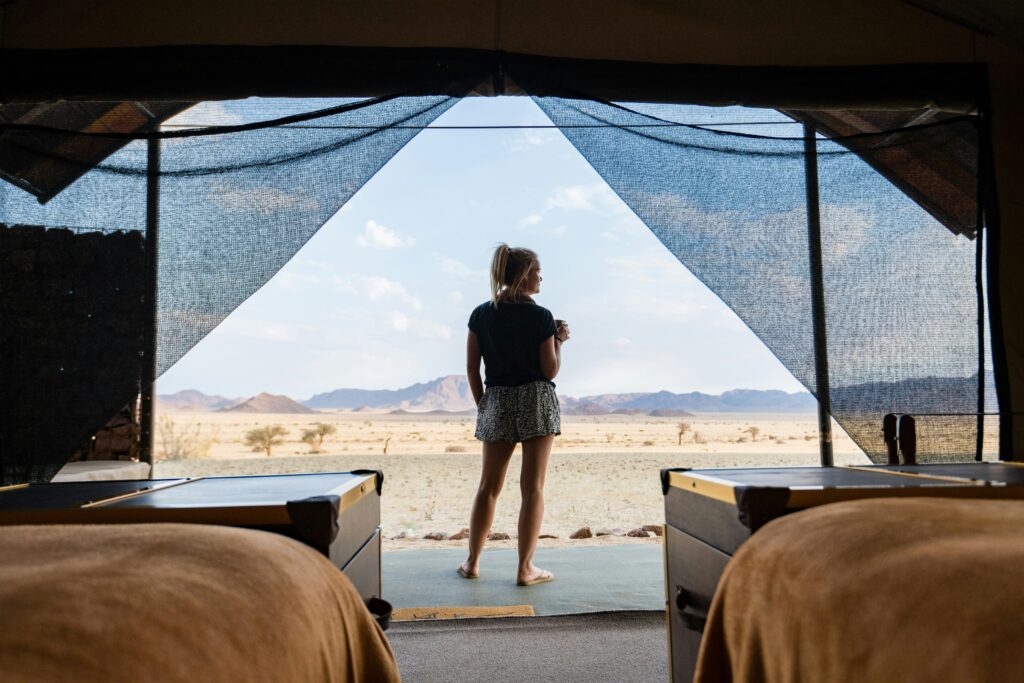 2-Day Ngorongoro Crater Experience in Melia Collection2 daysFrom $1,500 per person
 3-Day Tanzania Group Joining & Camping Safari3 daysFrom $560 per person
 3-Day Private Mid-Range Safari Adventure3 daysFrom $1,020 per person
 3-Day Affordable Private Camping Safari3 daysFrom $1,110 per person
Questions
Ngorongoro Crater: frequently asked questions
How long do you spend inside the Ngorongoro Crater?
Crater visits are limited to about six hours. We go down early, when the light is best and the animals are active, and come back up in the afternoon.
Is the Ngorongoro Crater worth it?
Yes. Nowhere else in Tanzania gives you so much wildlife in such a small area, and it is your best chance of seeing black rhino.
Where do you stay for the Ngorongoro Crater?
On the crater rim for the views and an early start, or in the highlands around Karatu for better value. We have options at every budget.
How much does it cost to visit the Ngorongoro Crater?
For 2026, non-resident adults pay US$70.80 each per 24 hours in the conservation area, and the vehicle pays a US$295 crater service fee per descent. Our crater safaris include these fees along with your vehicle, guide and lunch.
Can you see the Big Five in the Ngorongoro Crater?
Lion, buffalo, elephant and black rhino all live on the crater floor, and leopards live in the forests, though they are harder to find. It is one of the best places in Africa to try for the Big Five in a day.
Is the Ngorongoro Crater a national park?
No. It is part of the Ngorongoro Conservation Area, a multiple-use area managed by the Ngorongoro Conservation Area Authority, where Maasai people live and graze cattle alongside wildlife. That is why its fees are separate from Tanzania’s national parks.
Can I do a Ngorongoro Crater day trip from Arusha?
Yes. Leave Arusha early, spend the middle of the day on the crater floor and be back in the evening. Staying a night in Karatu or on the rim gives you a calmer day and an earlier descent.
What is the best time to visit the Ngorongoro Crater?
Wildlife is there all year. June to October is dry with the clearest views, while November to May is greener, quieter and cheaper.
Explore nearby
More of Northern circuit
 Northern circuit
 Northern circuit
 Northern circuit
 Northern circuit
 Northern circuit
 Northern circuit
Plan your trip to Ngorongoro Crater
Tell us your dates and who is travelling. We reply within 24 hours with a day-by-day plan and a full price.
