Great Migration calendar 2026 and 2027
Great Migration Calendar: Where the Wildebeest Are, Month by Month
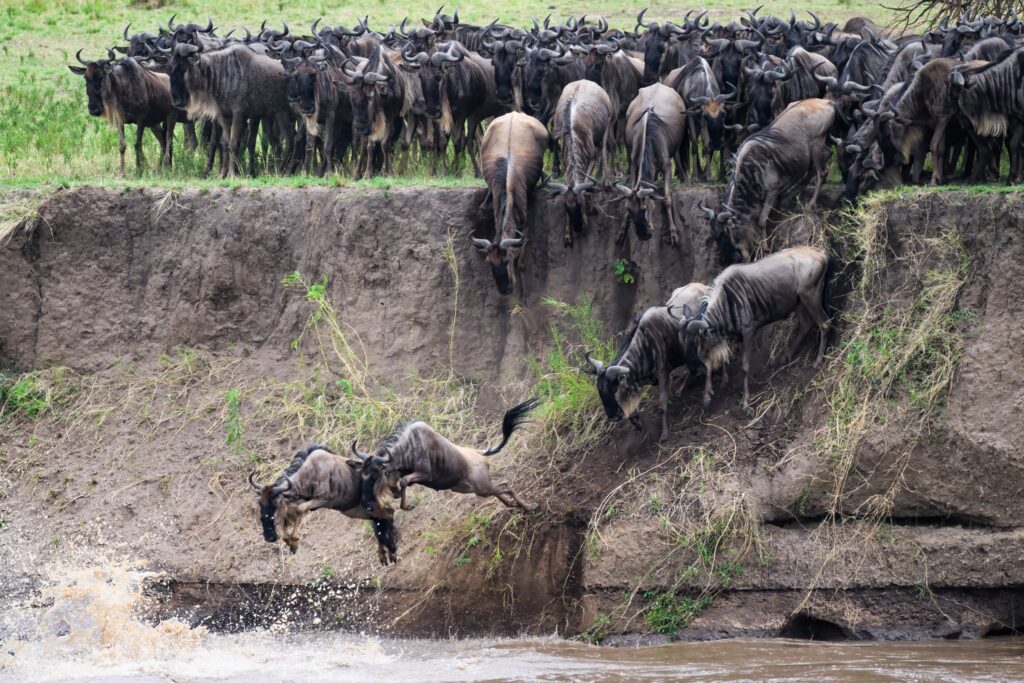
The Great Migration is a year-round loop of around 1.5 million wildebeest, with hundreds of thousands of zebra and gazelle, through Tanzania’s Serengeti and Kenya’s Masai Mara. Calving happens around Ndutu from January to March, the Grumeti River crossings in June and July, and the Mara River crossings from July to October.
At a glance
The migration year in one view
Timing moves a few weeks either way with the rains, so treat these as the usual pattern, not fixed dates.
- Best for calvingLate January to early March
- Best for river crossingsMid-July to September
- Best valueMarch to May and November
- BusiestAugust, February, Christmas and New Year
Interactive map
Pick a month to see where the herds usually are
Tanzania is a year-round safari destination. Choose a month to see where the wildebeest usually are. Exact timing changes with the rains, and our guides track the herds week by week.
- January to MarchCalving season on the southern Serengeti plains
- April to MayLong rains, green landscapes, fewest visitors, lowest prices
- June to OctoberDry season and best game viewing; Mara River crossings in the north from about July to October
- November to DecemberShort rains and good value; Christmas is busy
Southern Serengeti and Ndutu
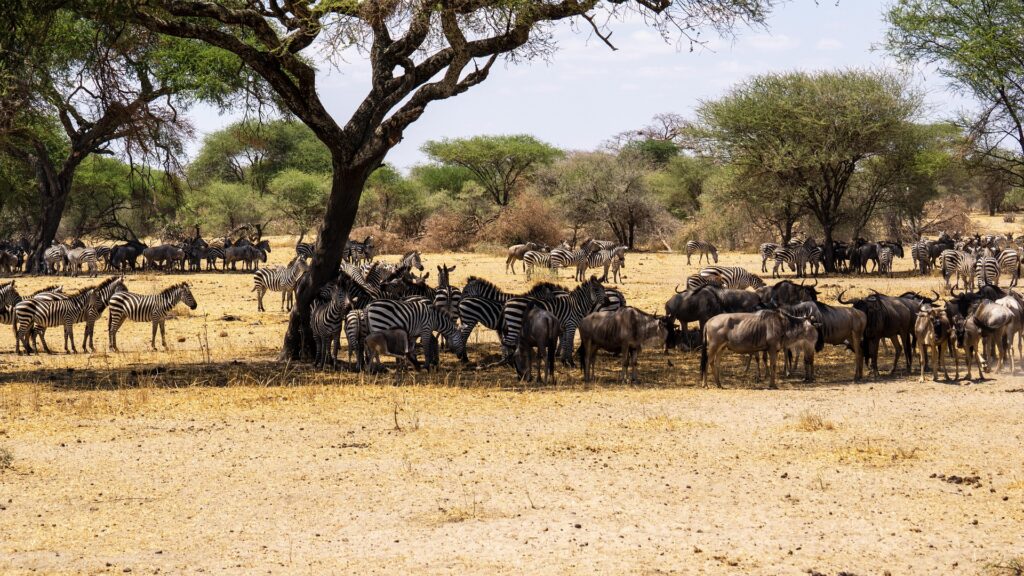
Calving season begins. Herds graze the short-grass plains around Ndutu, and predators follow close behind.
Southern Serengeti and Ndutu
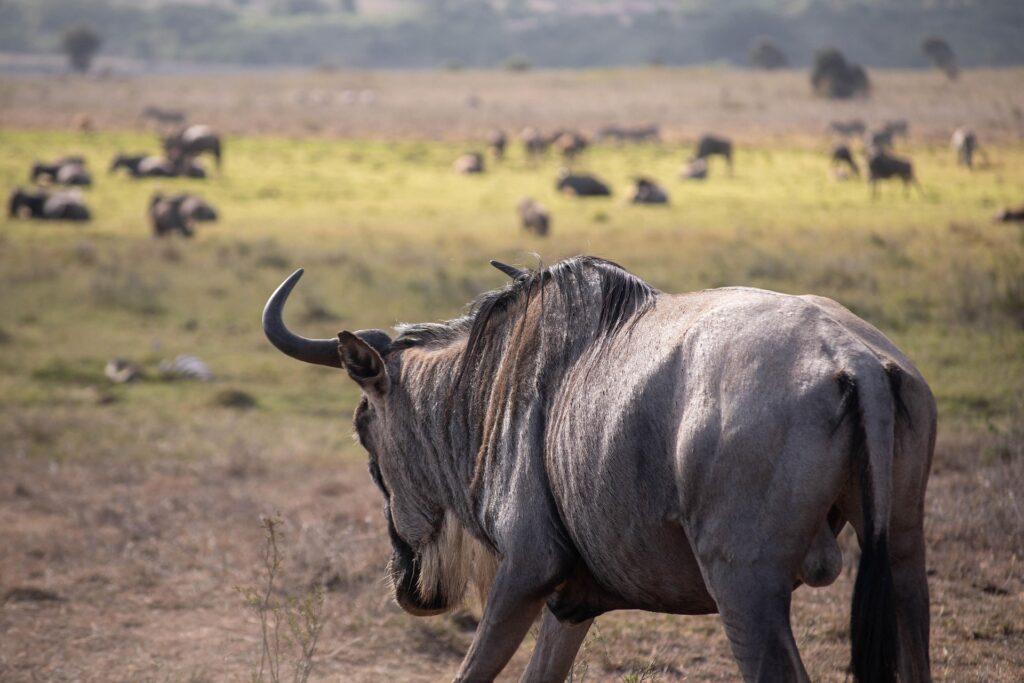
Peak calving: thousands of calves are born every day. One of the best months for big-cat action.
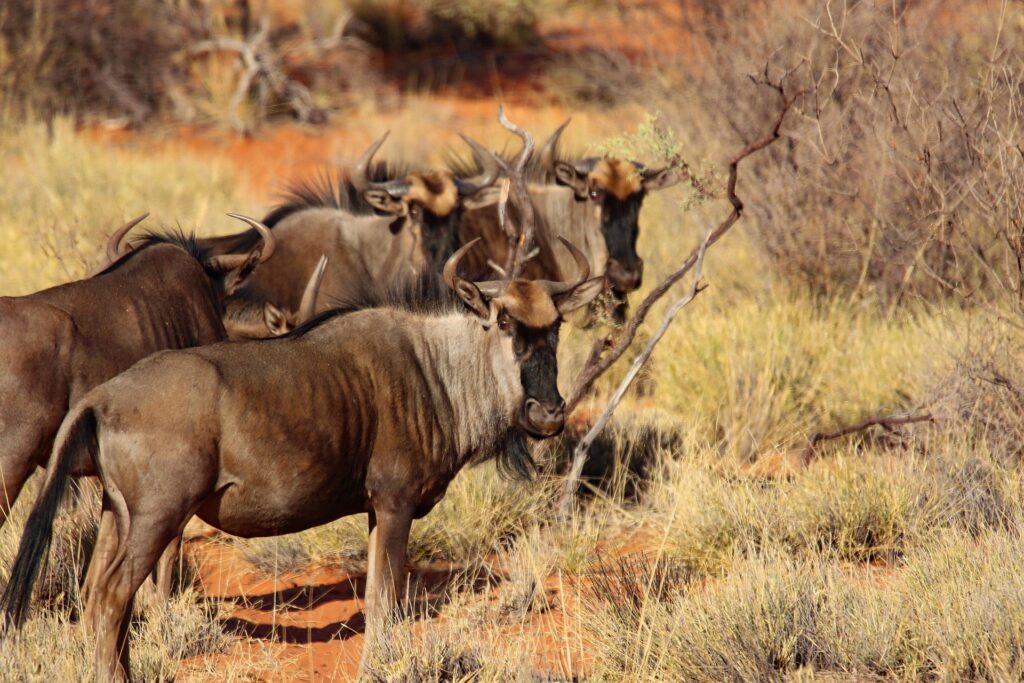
Southern and central Serengeti
Calves grow strong and the herds start drifting north-west as the long rains approach.
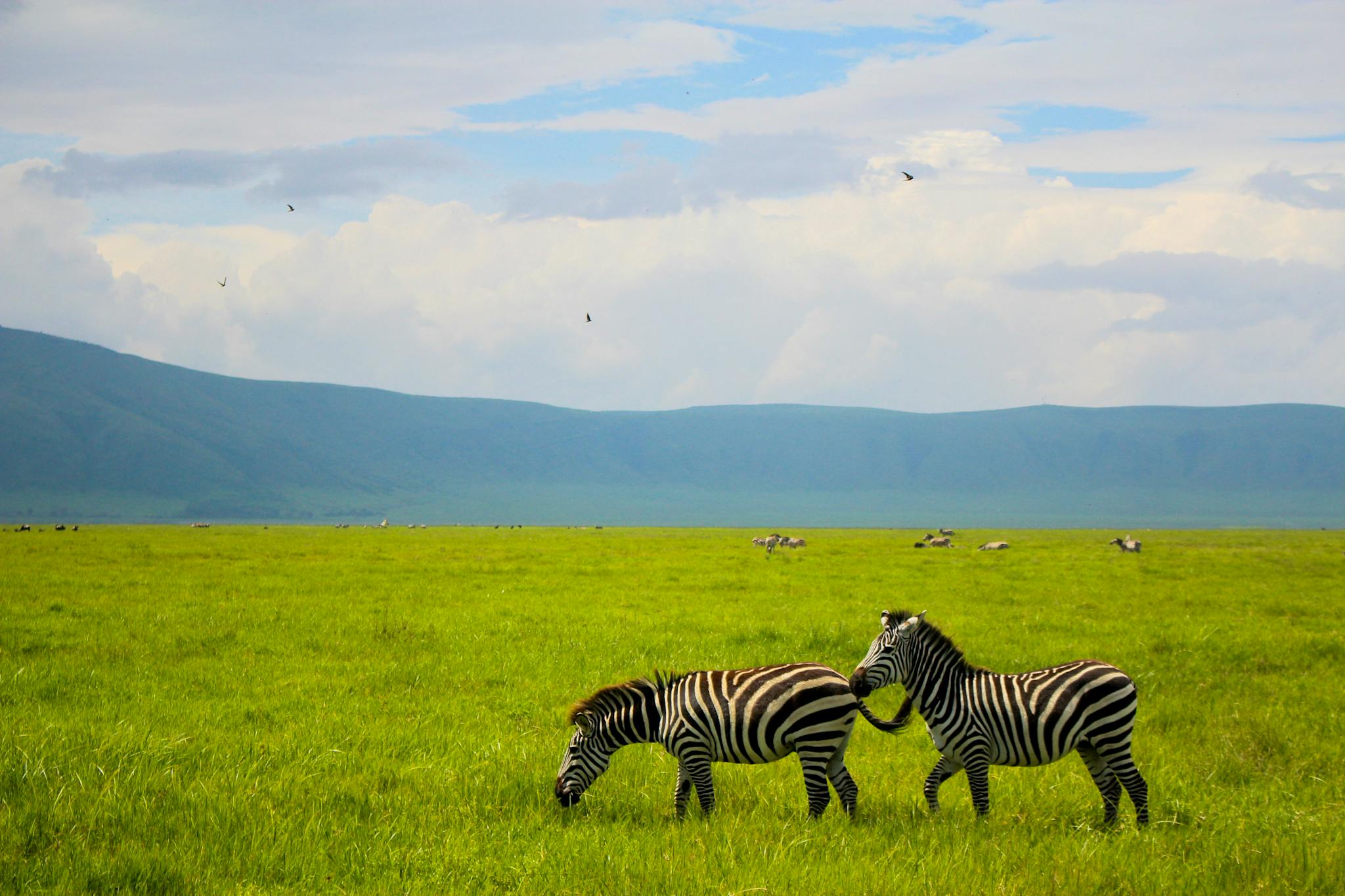
Central Serengeti and Moru Kopjes
Long rains, green plains and the fewest vehicles. The herds move in long columns through the centre of the park.
Central Serengeti to the Western Corridor
The rut begins and the herds mass in huge columns heading west. Lowest prices of the year.
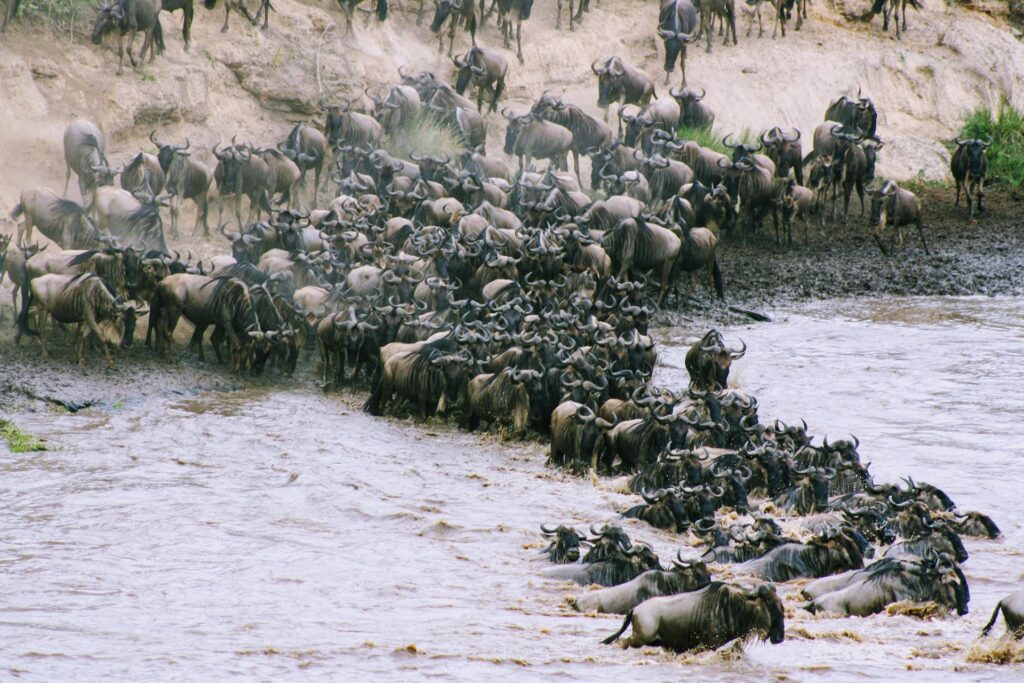
Western Corridor and Grumeti River
The dry season starts. Herds gather at the Grumeti River, with the first crossings and big crocodiles.
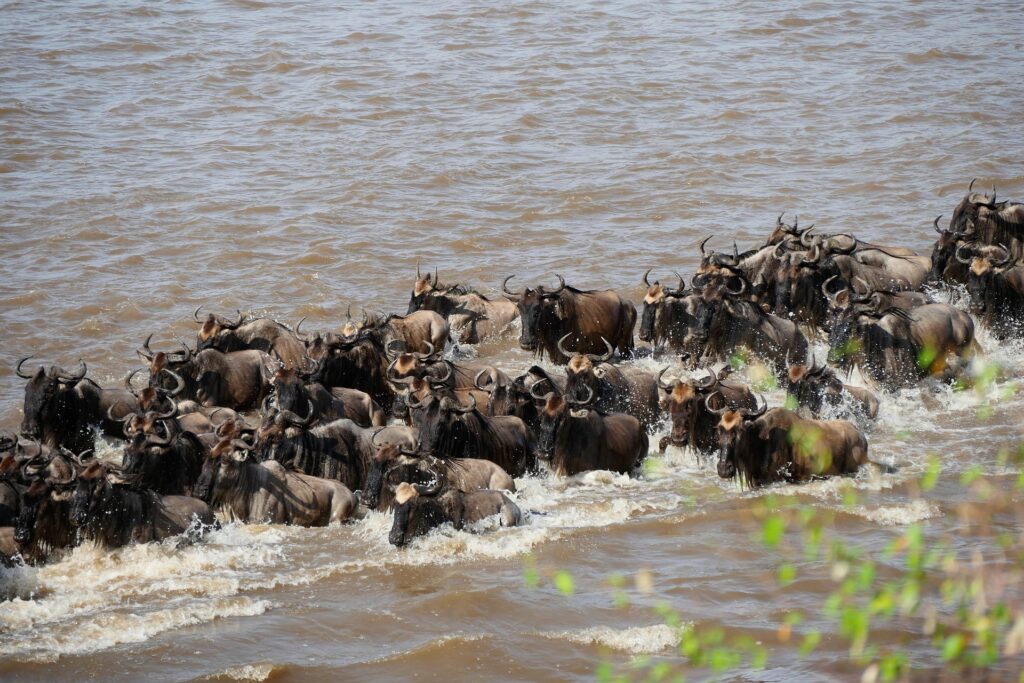
Northern Serengeti and the Mara River
The herds reach the north and the famous Mara River crossings begin.
Northern Serengeti, Kogatende
Peak crossing season on the Mara River. Book 6 to 12 months ahead.
Northern Serengeti, Kogatende and Lamai
Crossings continue in both directions. Excellent game viewing across the north.
Northern Serengeti and Lobo
The last crossings. Herds begin moving south as the short rains approach.
Lobo and central Serengeti
Short rains bring the herds south through Lobo and the centre of the park. Good value and quiet roads.
Central to southern Serengeti
The herds arrive back on the southern plains, ready for calving. Christmas is busy, so book early.
Month by month
Great Migration month by month
Where the herds usually are, what you will see, and where we put our guests to be close to the action.
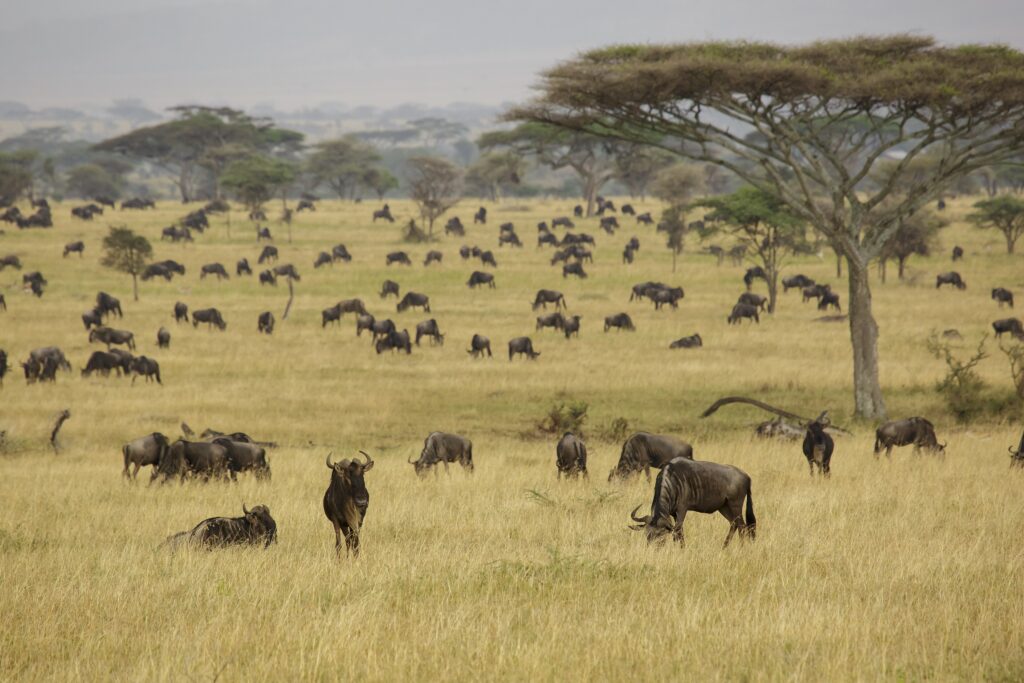 January
: Calving season begins
Ndutu and the southern Serengeti plains
The herds spread out across the short-grass plains around Ndutu, on the border of the Serengeti and the Ngorongoro Conservation Area. The first calves arrive, and lions, cheetahs and hyenas stay close.
- Best for
- Big-cat action and green, photogenic plains
- Where to stay
- Lake Masek Tented Lodge, Kenzan Migration Camp
Our tip: Afternoon showers are common, but they rarely spoil a game drive.
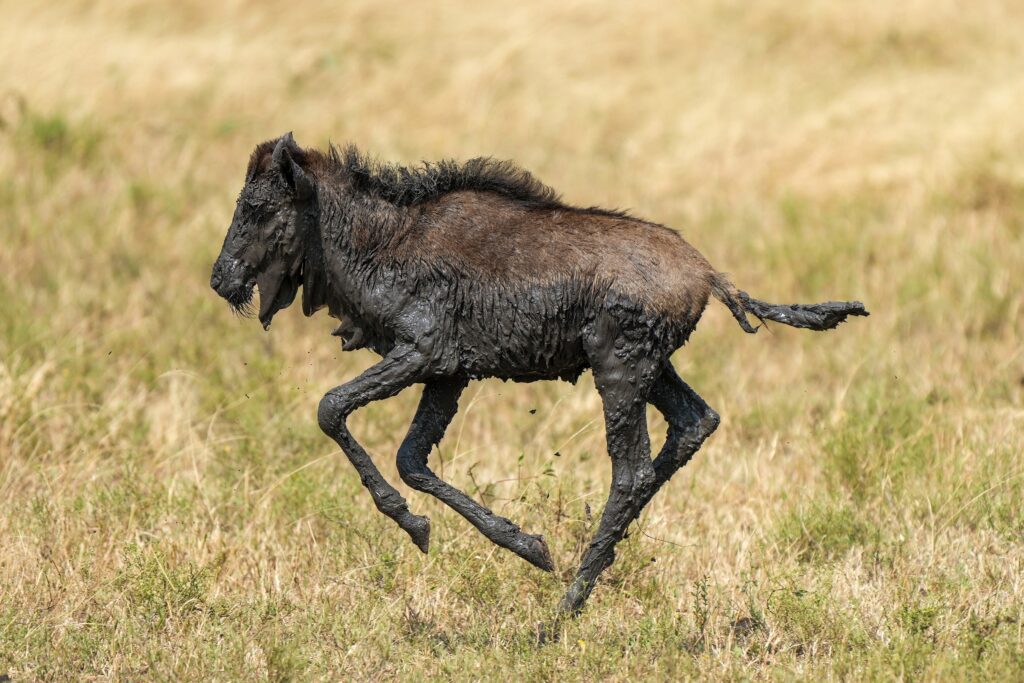 February
: Peak calving
Ndutu and the southern Serengeti plains
The heart of calving season. Thousands of calves are born every day over a few weeks, which brings some of the most intense predator activity of the year.
- Best for
- Predator sightings and first-time migration safaris
- Where to stay
- Lake Masek Tented Lodge, Kenzan Migration Camp
Our tip: February is the busiest month in Ndutu. Book camps 6 to 9 months ahead.
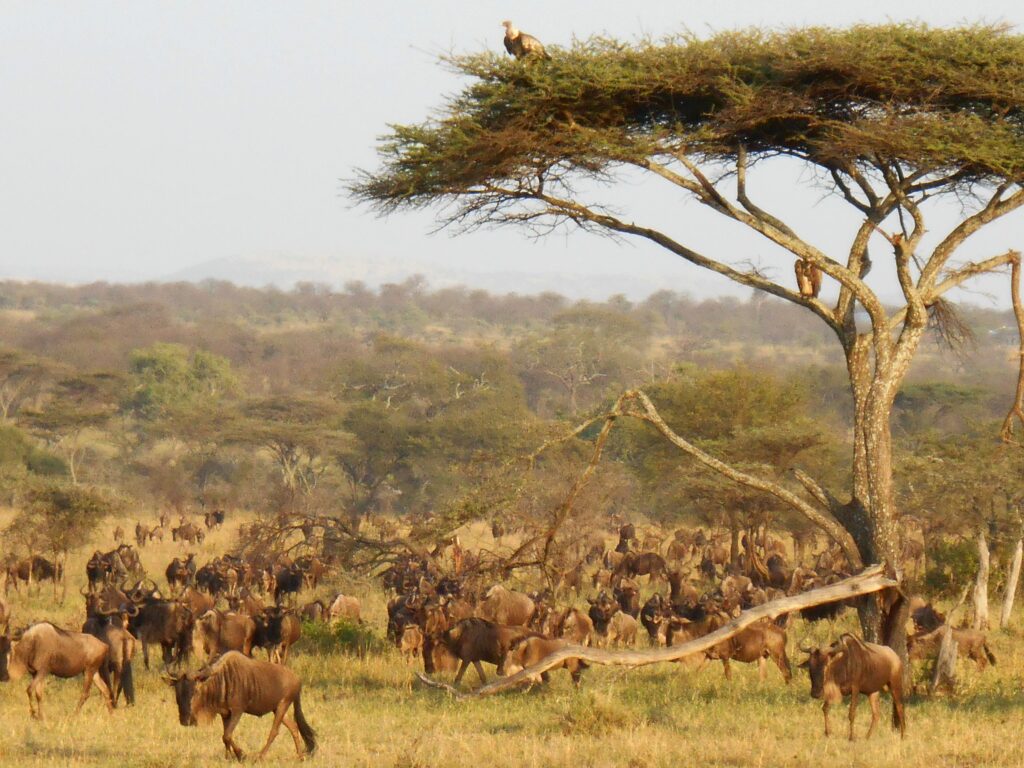 March
March: Calves grow, herds start to stir
Southern and central Serengeti
The calves are stronger and the herds graze the southern plains until the grass runs short. Late in the month they begin drifting north-west as the long rains approach.
- Best for
- Good value with the herds still easy to find
- Where to stay
- Lake Masek Tented Lodge, Serengeti Sametu Camp
Our tip: Rates start to drop from mid-March as the green season begins.
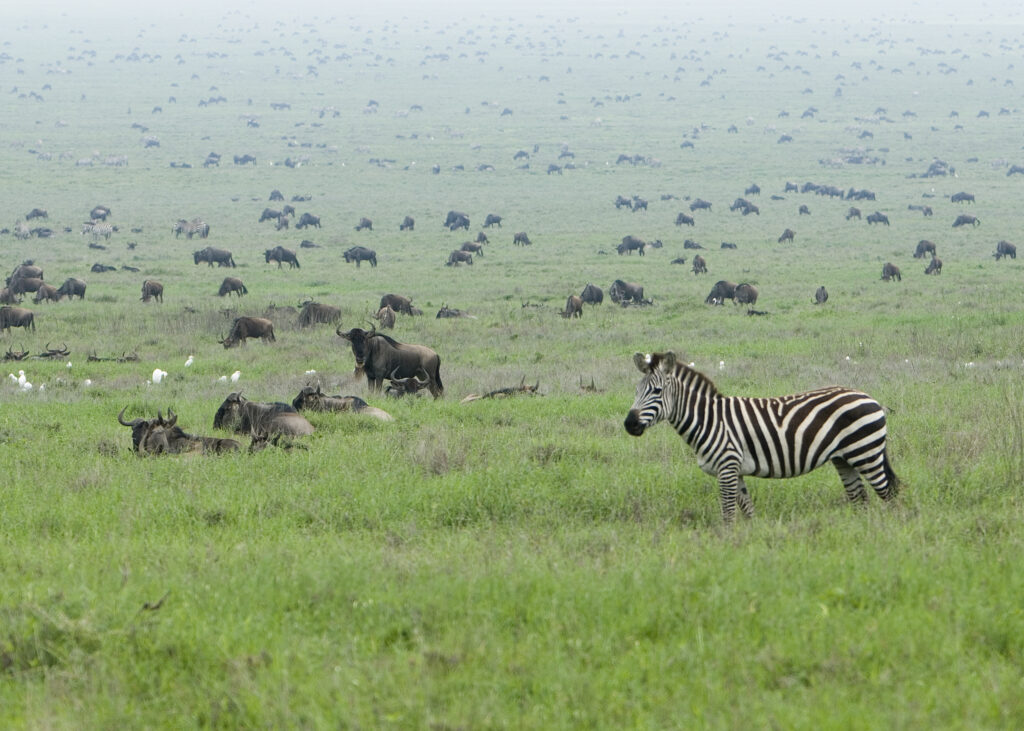 April
April: Long rains and long columns
Central Serengeti, Seronera and the Moru Kopjes
The long rains turn the plains bright green and the herds move north-west through the centre of the park in long columns. You will share sightings with very few other vehicles.
- Best for
- Quiet game drives and the lowest prices of the year
Our tip: Some seasonal camps close in April and May. Lodges in central Serengeti stay open.
 May
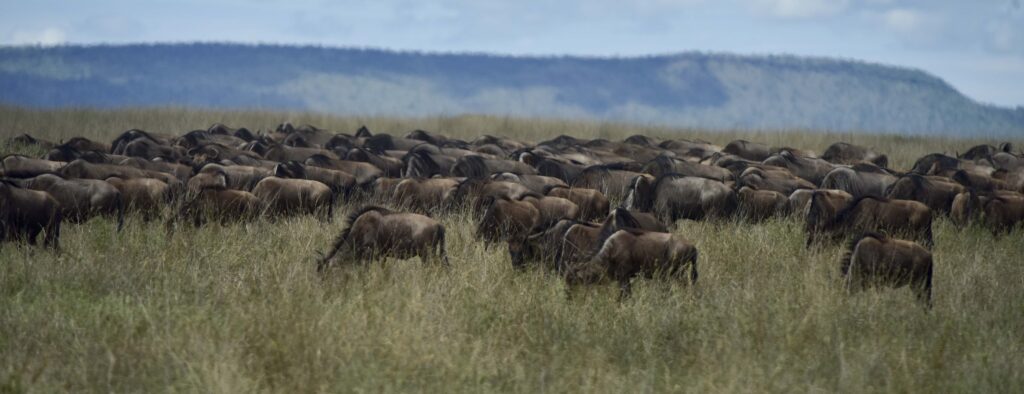
May: The rut, and the herds head west
Central Serengeti to the Western Corridor
The rains ease and the wildebeest rut begins: bulls fight and herds gather in huge columns heading for the Western Corridor. The light is soft and the grass is still green.
- Best for
- Big herds on the move at low-season prices
Our tip: Late May is a sweet spot: dry roads, big herds and green-season rates.
 June
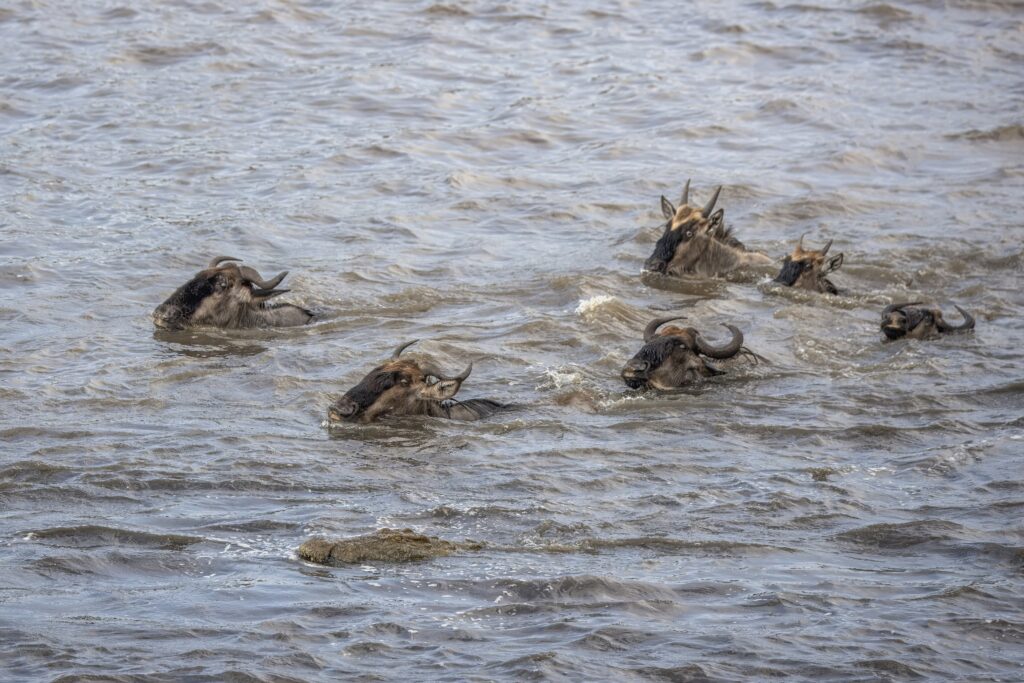
June: Grumeti River crossings
Western Corridor and the Grumeti River
The dry season starts. Herds bunch up along the Grumeti River, where the first river crossings happen and giant Nile crocodiles wait in the pools.
- Best for
- River crossings with fewer vehicles than the Mara
Our tip: Grumeti crossings are smaller and less predictable than the Mara, so allow two or three days in the west.
 July
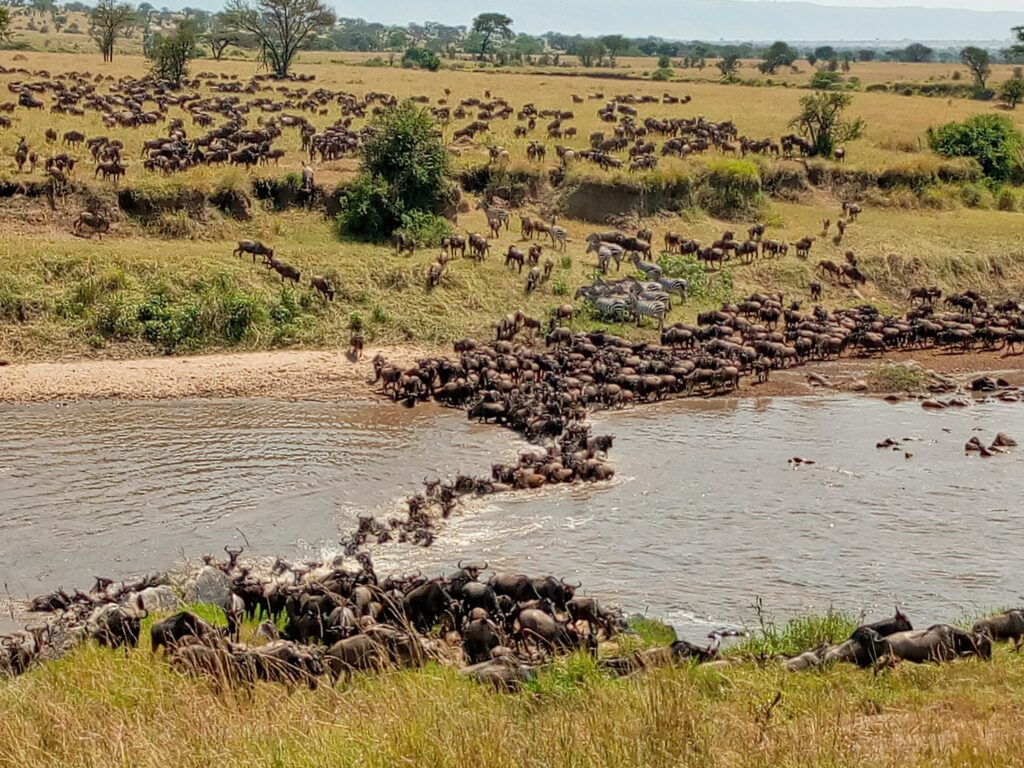
July: The herds reach the north
Northern Serengeti, Kogatende and Lamai
The herds push into the northern Serengeti and the first Mara River crossings usually begin in the second half of the month, depending on the rains.
- Best for
- The start of river-crossing season
- Where to stay
- Kenzan Migration Camp, Serengeti Sametu Camp
Our tip: Fly in to Kogatende to save a full day of driving each way.
 August
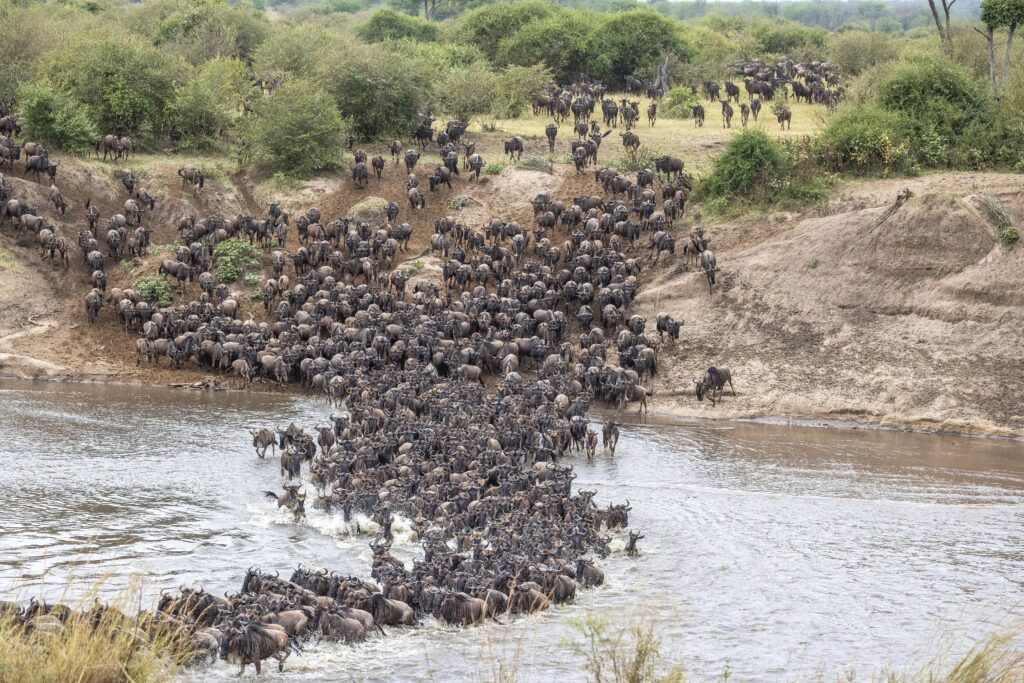
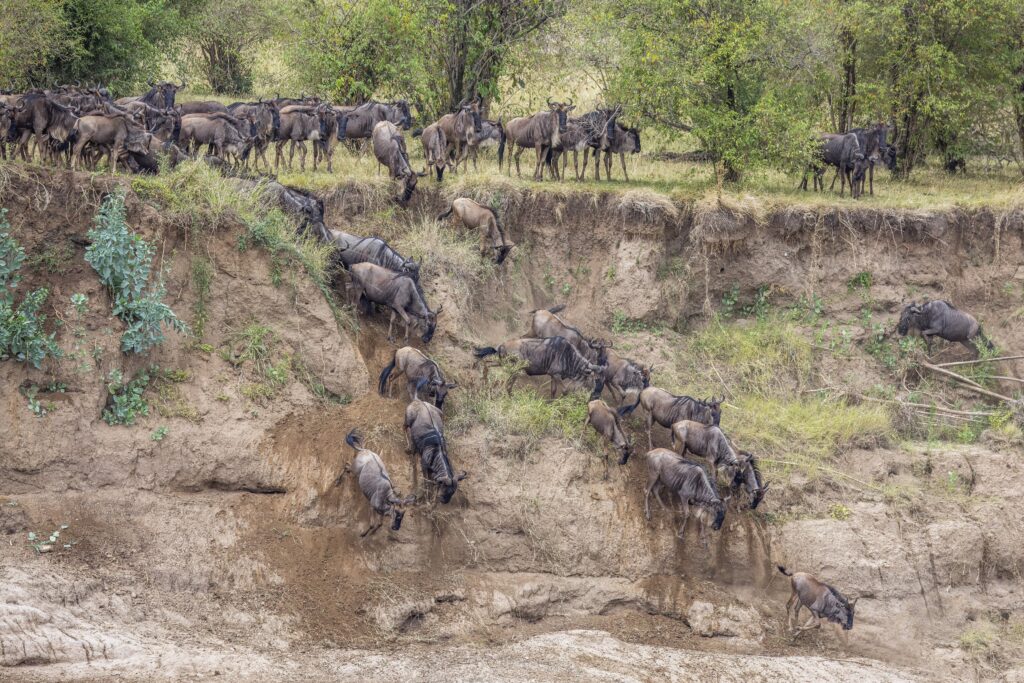
: Peak Mara River crossings
Northern Serengeti, Kogatende
The busiest month on the Mara River. Herds can cross several times a day at points along the river, with crocodiles and lions waiting on the banks.
- Best for
- Seeing a crossing, if you only have one chance
- Where to stay
- Kenzan Migration Camp
Our tip: Book 9 to 12 months ahead: northern camps fill quickly for August.
 September
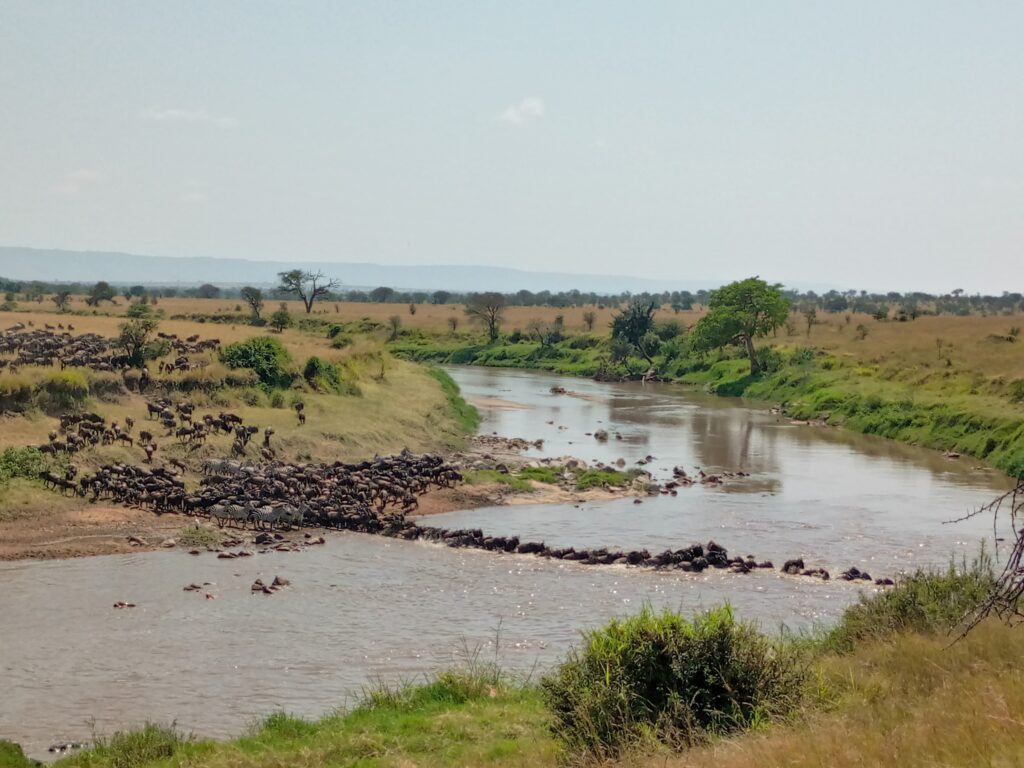
: Crossings in both directions
Northern Serengeti, Kogatende and Lamai
Crossings continue as the herds move back and forth across the Mara River. Game viewing across the north stays excellent, with slightly fewer visitors than August.
- Best for
- River crossings with a little more space
- Where to stay
- Kenzan Migration Camp
Our tip: Stay at least three nights in the north to give yourself the best chance of a crossing.
 October
: Last crossings, heading south
Northern Serengeti and Lobo
The last crossings take place and the herds start moving south through Lobo as the short rains approach. The north becomes quieter again.
- Best for
- Fewer crowds at the end of the dry season
- Where to stay
- Kenzan Migration Camp, Serengeti Sametu Camp
Our tip: Good availability and shoulder-season rates at many camps.
 November
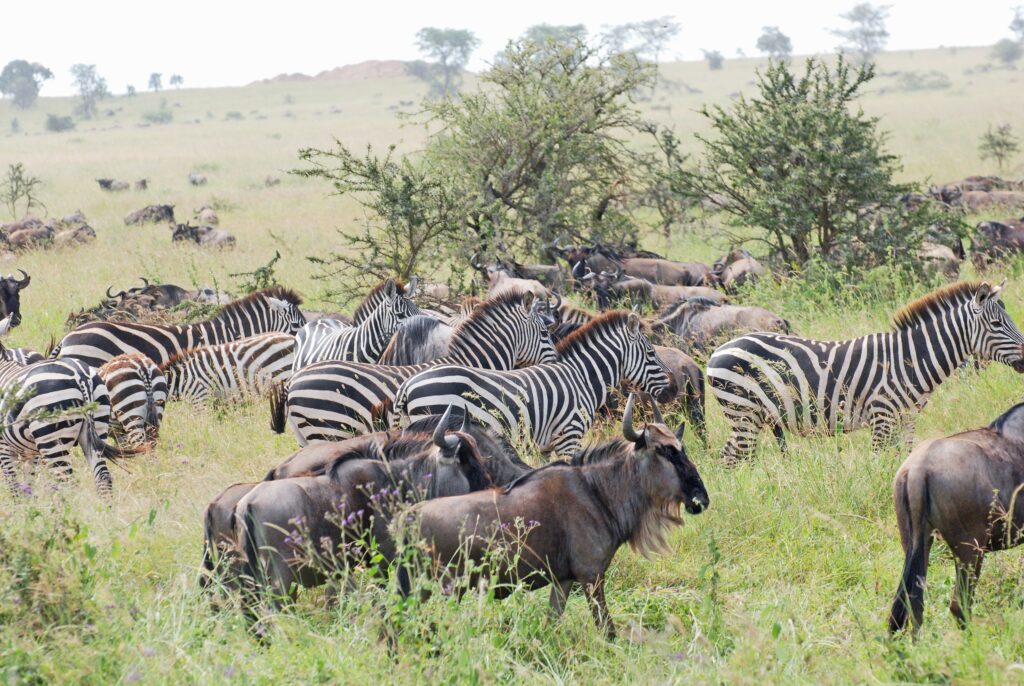
: The herds return south
Lobo, the eastern plains and central Serengeti
Short rains bring fresh grass and the herds stream south through Lobo and the eastern Serengeti towards Seronera.
- Best for
- Good value and green landscapes
- Where to stay
- Serengeti Sametu Camp, Kubu Kubu Tented Lodge, Matawi Serengeti Camp
Our tip: Short, sharp showers are normal; mornings are usually clear.
 December
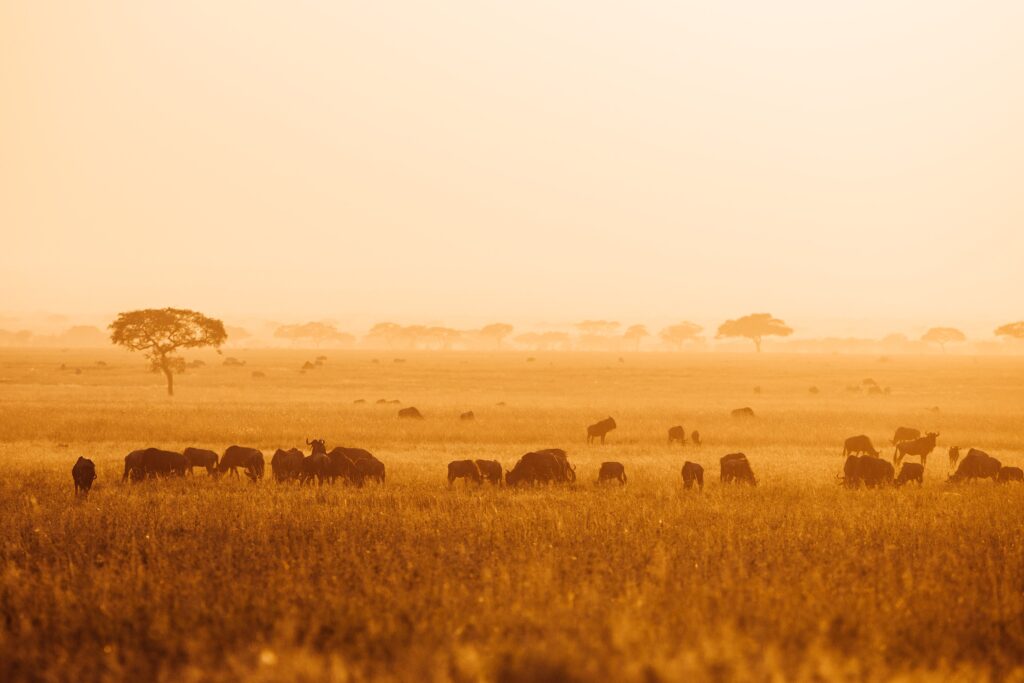
: Back to the southern plains
Southern Serengeti and Ndutu
The herds arrive back on the southern plains around Ndutu, ready for calving in the new year. The festive season is busy, so plan ahead.
- Best for
- Holiday safaris with the herds close by
- Where to stay
- Lake Masek Tented Lodge, Kenzan Migration Camp, Serengeti Sametu Camp
Our tip: Christmas and New Year book out early in the south.
Choosing your moment
Calving season or river crossings?
Both are spectacular. They suit different travellers, budgets and dates.
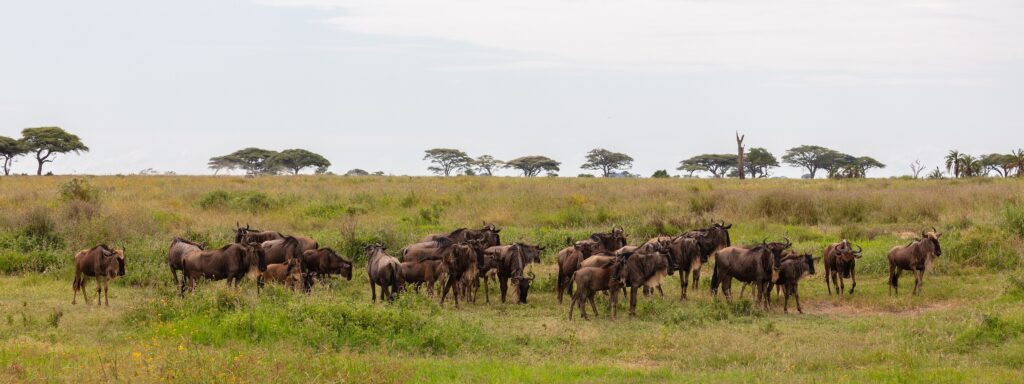
Calving season
- When
- January to March
- Where
- Ndutu and the southern Serengeti
- What you see
- Newborn calves, big herds on open plains, lions, cheetahs and hyenas hunting
- Crowds
- Busy in February, quieter in January and March
- Price
- Mid to high season rates
- Best for
- Predator action, photographers and families
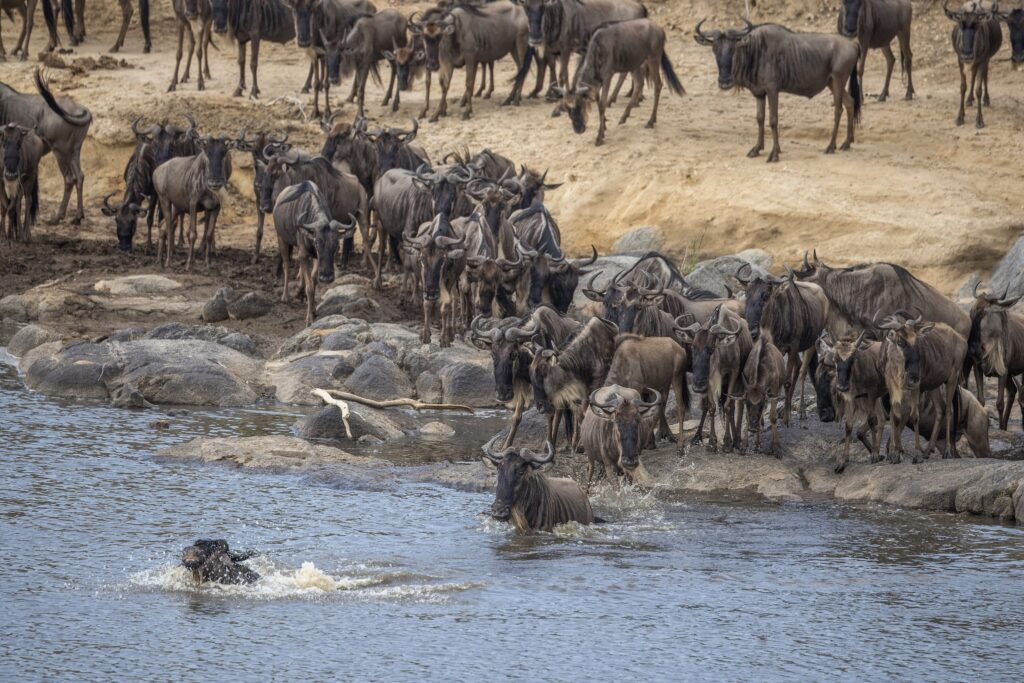
River crossings
- When
- July to October
- Where
- Northern Serengeti and the Mara River
- What you see
- Herds plunging into the river, crocodiles, huge columns of wildebeest
- Crowds
- Busiest in August
- Price
- Peak season rates
- Best for
- Bucket-list moments and dry-season game viewing
Migration safaris
Great Migration safaris we run
Private safaris with your own Land Cruiser and guide. We adjust the route to where the herds are for your dates. Prices are per person sharing and include park fees.
Calving 4 days, 3 nights4-Day Ndutu Great Migration Safari
Ndutu, Ngorongoro Crater
Best for calving season
Migration 5 days, 4 nights5-Day Great Migration Safari Adventure
Lake Manyara, Serengeti, Ngorongoro Crater
Best for short migration trips
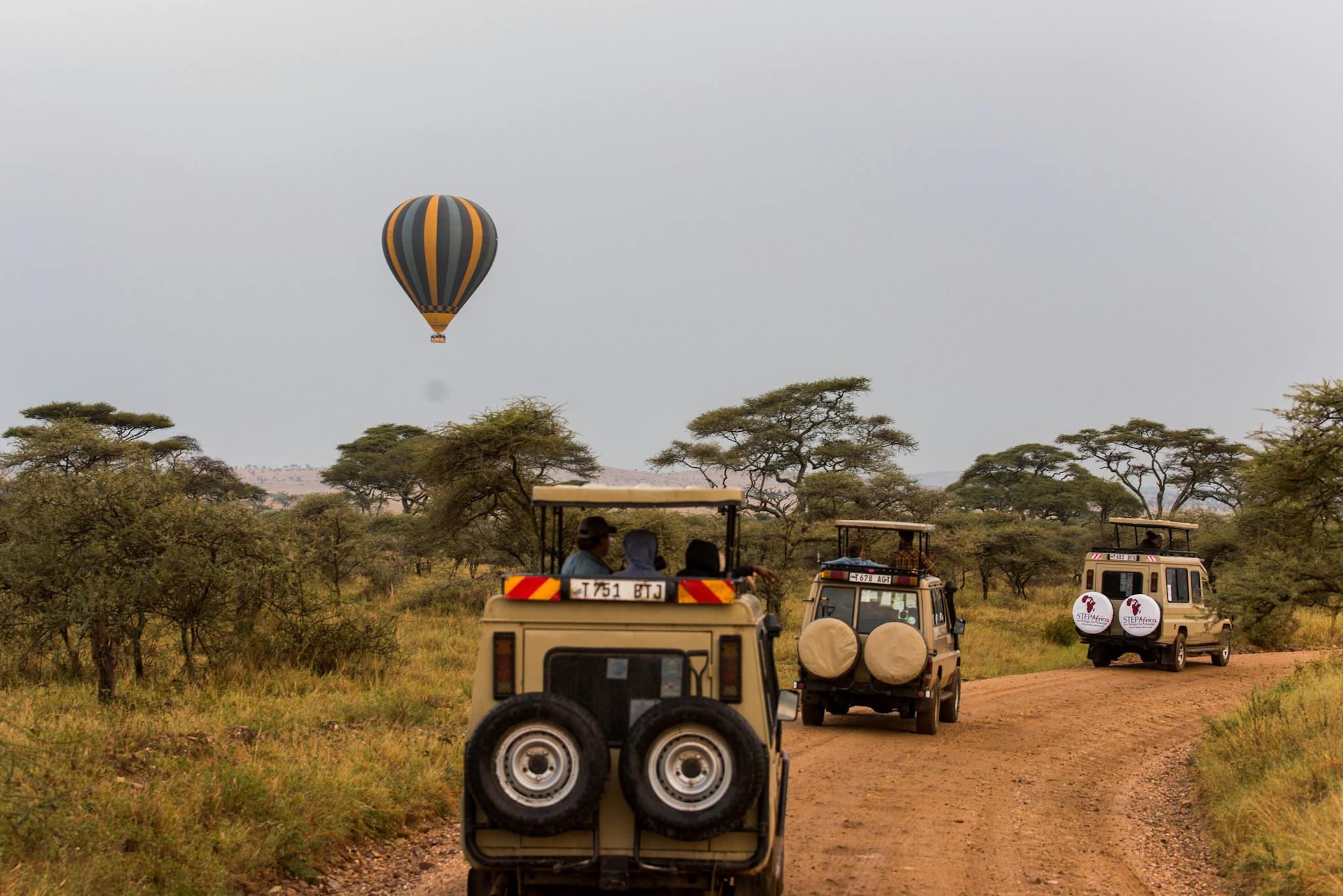 Fly-in 6 days, 5 nights
6-Day Fly-in Great Migration Safari
Serengeti, Ngorongoro Crater
Best for saving time with flights
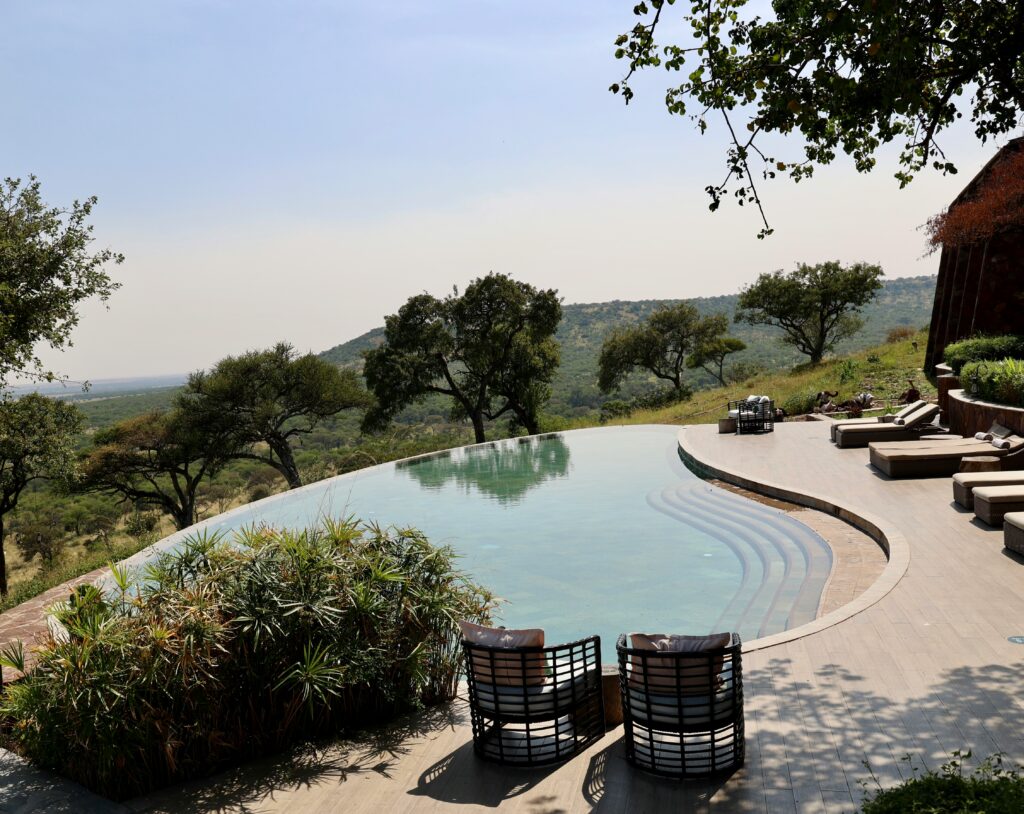 Best seller 7 days, 6 nights
7-Day Great Migration Safari
Tarangire, Serengeti, Ngorongoro Crater
Best for river crossings and calving
River crossings 8 days, 7 nights8-Day Great Migration Spectacle
Tarangire, Serengeti, Ngorongoro Crater
Best for time in the north
Where to stay
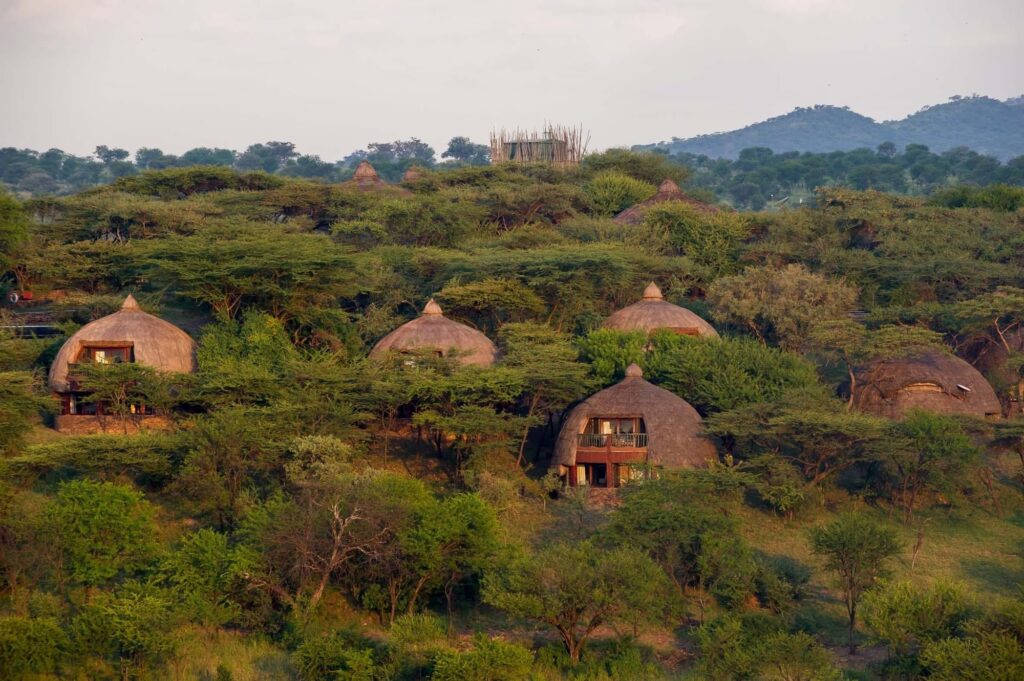
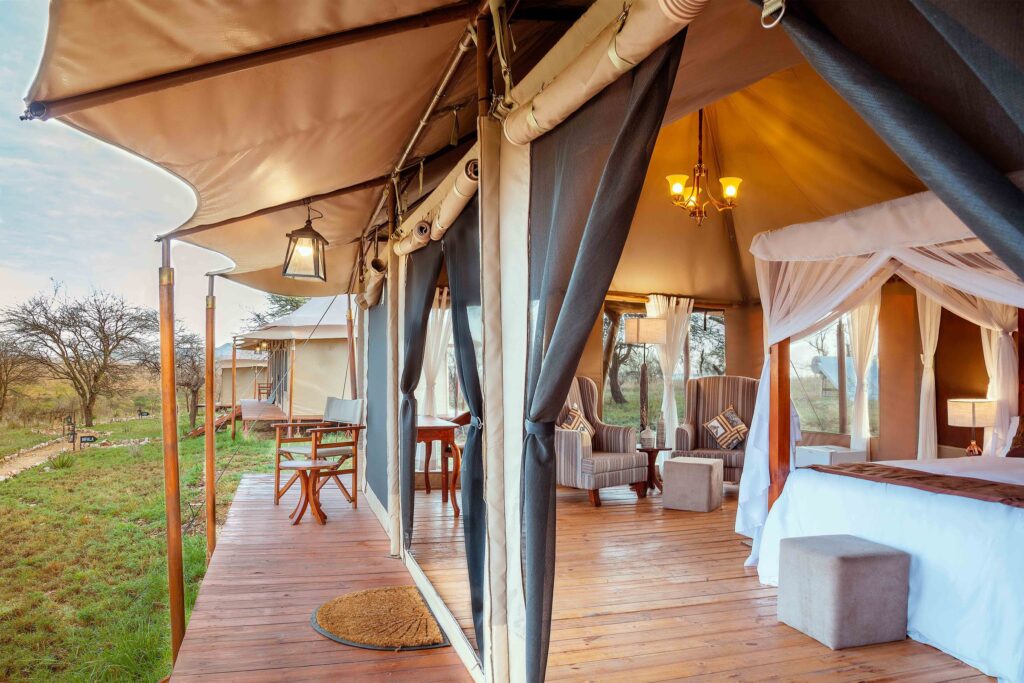
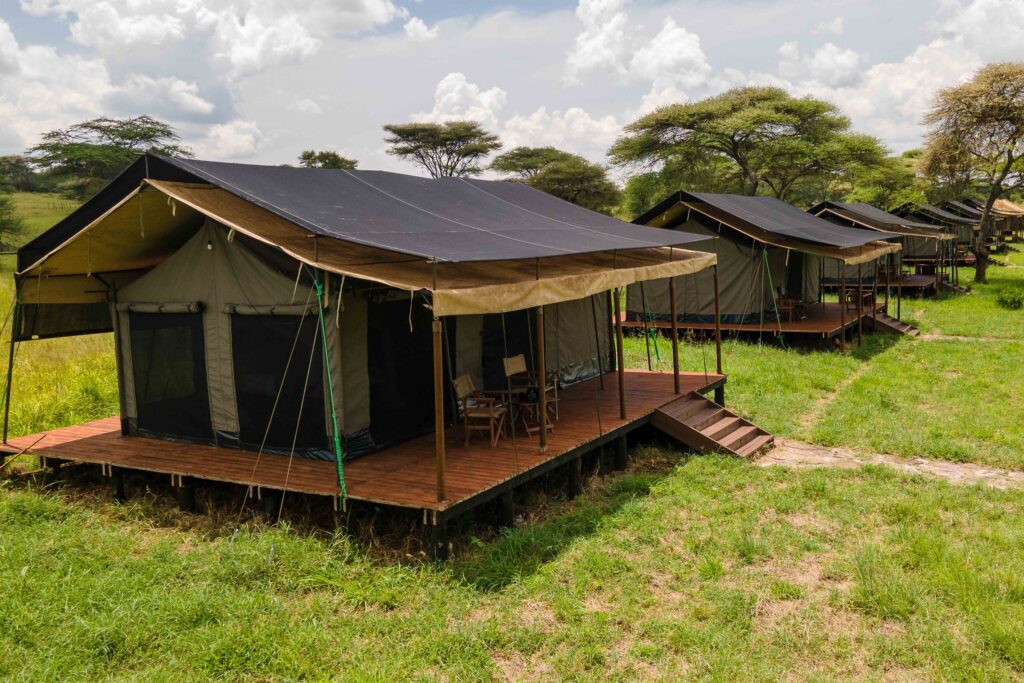
Camps and lodges that follow the herds
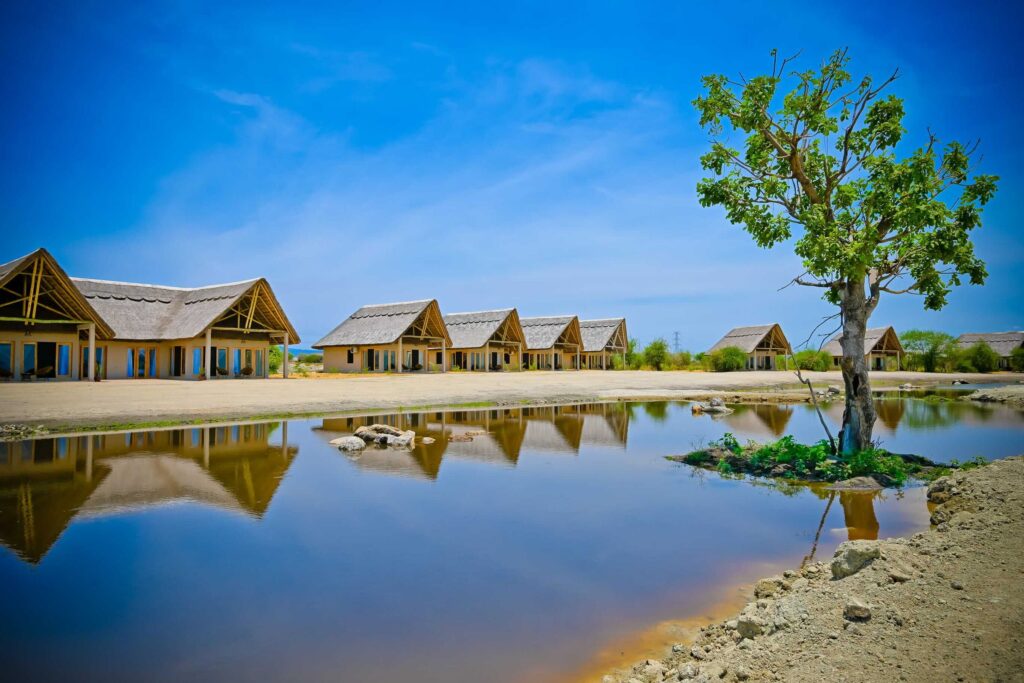 South (Dec to Mar)
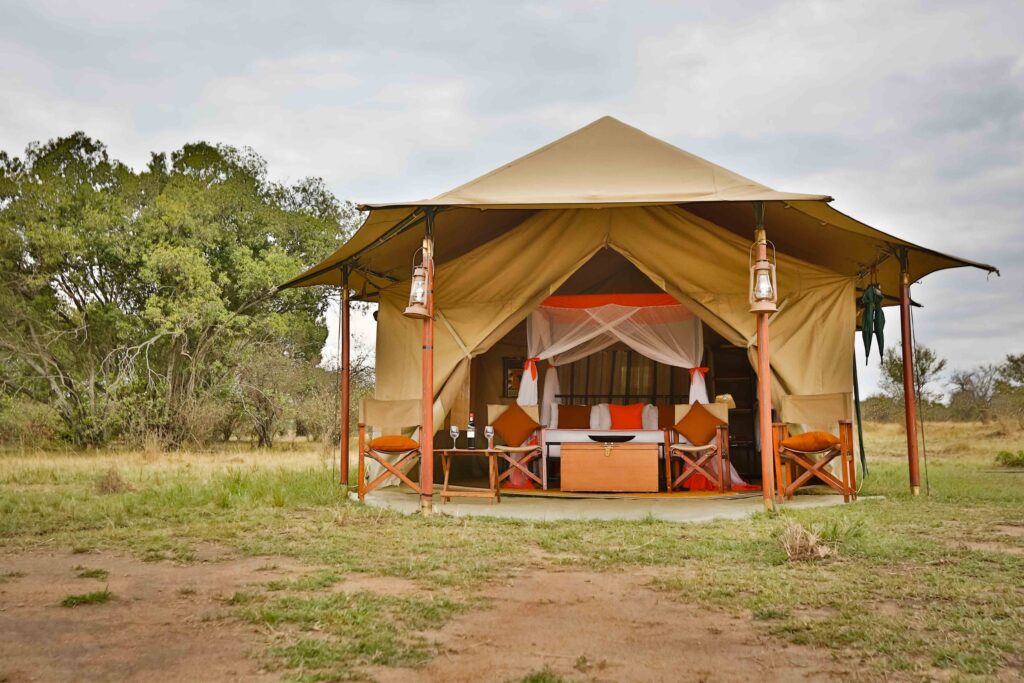 Follows the herds
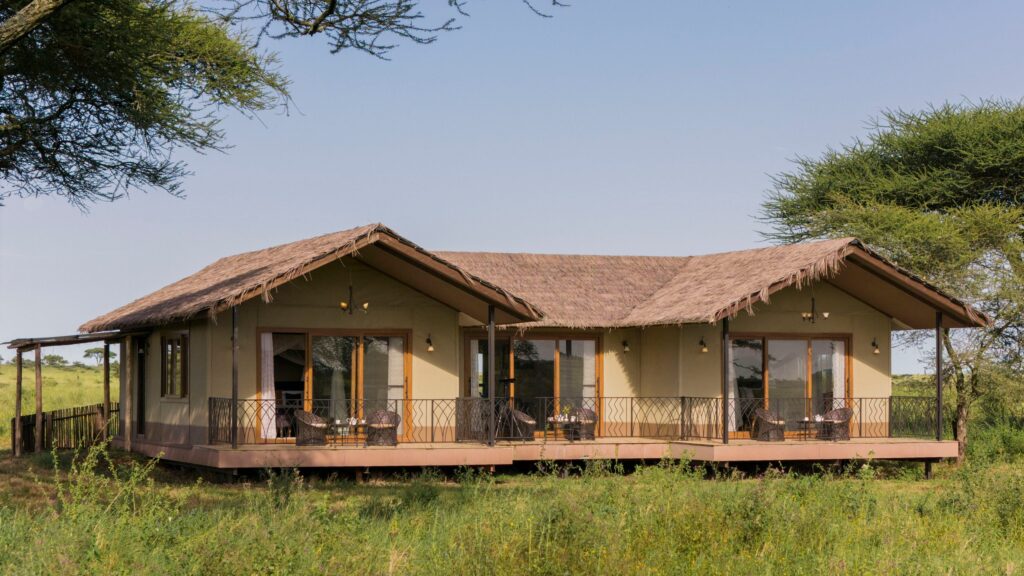 East (Nov and Mar)
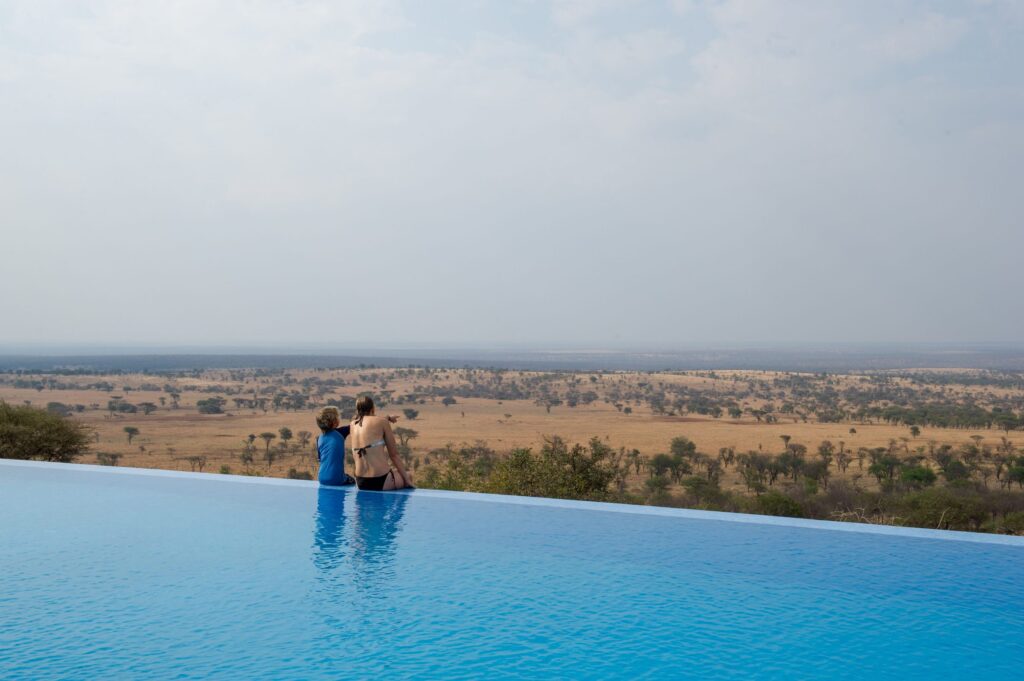 Central (all year)
 Central (all year)
 Central (all year)
 Central (all year)
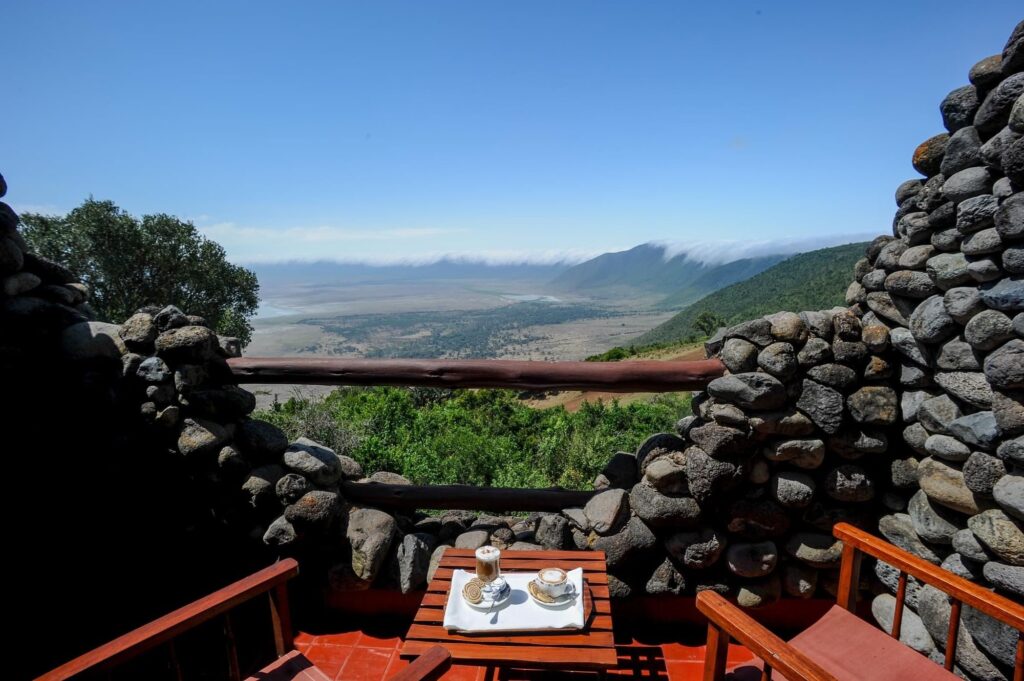 On the way: crater rim
Planning tips
How to plan a Great Migration safari
Advice from our guides, who follow the herds all year.
Book early for August and February
Northern camps for August and Ndutu camps for February fill 9 to 12 months ahead.
Give the herds time
Spend at least three nights near the herds. Crossings and hunts cannot be scheduled, so time is your best guarantee.
Fly one way
Driving from Arusha to the northern Serengeti takes about two days. Flying in or out to Kogatende saves time for game drives.
Pair it with the Ngorongoro Crater
The crater is on the way to Ndutu and the Serengeti and gives you your best chance of black rhino.
Budget for park fees
Serengeti fees are US$82.60 per adult per day in 2026, and they are included in every price we quote.
Expect some rain
Calving and the short rains bring showers. Pack a light rain jacket and layers for cool mornings.
Read more: Serengeti National Park guide · Ndutu and the southern Serengeti · Best time to visit Tanzania · Tanzania safari cost
Questions
Great Migration FAQs
Planning around specific dates? Ask our team where the herds are likely to be.
Ask on WhatsAppWhen is the best time to see the Great Migration in Tanzania?
It depends on what you want to see. January to March is calving season around Ndutu in the southern Serengeti. June and July bring the Grumeti River crossings in the Western Corridor, and July to October is the season for Mara River crossings in the northern Serengeti.
Where is the Great Migration in February?
In February the herds are on the short-grass plains around Ndutu and the southern Serengeti for peak calving season, when thousands of calves are born every day.
When do the Mara River crossings happen?
Usually from mid-July to October, with August and September the most reliable months. Crossings depend on the herds and the rain, so they can happen several times a day or not for a few days.
How many animals are in the Great Migration?
Around 1.5 million wildebeest take part, joined by hundreds of thousands of zebra and gazelle. They follow a loop through the Serengeti and Kenya’s Masai Mara in search of fresh grass and water.
Is the Great Migration better in Tanzania or Kenya?
The herds spend most of the year in Tanzania’s Serengeti, including calving season and the Grumeti crossings. Kenya’s Masai Mara usually hosts them from about August to October. The Mara River crossings can be seen from both sides.
How many days do I need for a Great Migration safari?
Plan five to eight days, with at least three nights near the herds. That leaves time for the drive or flight in and for the Ngorongoro Crater on the way.
How much does a Great Migration safari cost?
Our private migration safaris start from about US$1,800 per person for four days in Ndutu, and US$2,150 to US$3,250 for five to eight days, including park fees, vehicle, guide, meals and accommodation.
Can you guarantee seeing a river crossing?
No one can guarantee a crossing, because the herds decide when to cross. We base you close to the river for several days and spend full days with the herds, which gives you the best possible chance.
Start planning
Ready to plan your Tanzania safari?
Tell us your dates and we will send a day-by-day itinerary with named camps and a full price breakdown, usually within 24 hours.
Origin Wildlife Safaris Limited, Arusha, Tanzania.
Get your free safari quote
We reply within 24 hours. No obligation.
