Best Time To Visit Tanzania For A Safari
When to go on a Tanzania Safari!
Discover the ultimate season for your Tanzania trip. Explore seasonal highlights for the Serengeti Great Migration, Ngorongoro Crater, wildebeest calving season, and Zanzibar beaches—including weather, pricing, and wildlife tips.
Best Time to Visit Tanzania for a Safari: 2026 Month-by-Month Guide
Quick Summary: The best time to visit Tanzania for a safari is during the long dry season from late June to October. This period offers optimal game viewing because wildlife concentrates around waterholes, vegetation is thin, and dramatic Great Migration river crossings occur in the Northern Serengeti. For predator action and baby animals, the January to March calving season in the southern Serengeti is ideal.
When Should You Go?
Tanzania Safari Highlights by Month
|
Month |
Season |
Wildlife Viewing |
Crowds |
Price |
Our Verdict |
|---|---|---|---|---|---|
|
January |
Short dry spell |
Excellent — calving begins in southern Serengeti |
High |
Peak |
Top choice for the calving season and predator action. |
|
February |
Short dry spell |
Outstanding — peak calving in Ndutu |
High |
Peak |
The single best month for newborn wildebeest and big-cat kills. |
|
March |
Start of long rains |
Good — herds move north-west, lush scenery |
Low |
Shoulder |
Great value with green landscapes and few vehicles. |
|
April |
Long rains |
Fair — thick grass, some camps close |
Very Low |
Low |
Cheapest month; best for budget travellers and birders. |
|
May |
Long rains ending |
Good — migration columns form |
Rising |
Low |
Quiet parks, dramatic skies, strong discounts. |
|
June |
Dry season begins |
Very good — Grumeti river crossings possible |
Very High |
High |
Sweet spot: dry weather without full peak pricing. |
|
July |
Dry |
Excellent — Mara River crossings start |
Very High |
Peak |
Classic migration month; book 9–12 months ahead. |
|
August |
Dry |
Excellent — northern Serengeti crossings |
High |
Peak |
Best odds of seeing a Mara River crossing. |
|
September |
Dry |
Excellent — crossings continue, great predator sightings |
High |
Peak |
Same wildlife as August with slightly fewer vehicles. |
|
October |
Dry ending |
Very good — herds start moving south |
Moderate |
High |
Excellent all-round month and easier to book late. |
|
November |
Short rains |
Good — green flush, newborn antelope |
Low |
Shoulder |
Short afternoon showers, very good value. |
|
December |
Short rains end |
Very good — herds reach Ndutu plains |
High |
Peak |
Fine safari conditions; festive season books out early. |
Safari Season Overview: Dry Season vs. Green Season
Tanzania’s safari calendar divides into distinct seasons, each offering different advantages in wildlife viewing, weather conditions, and travel costs:
Dry Season (June – October) – Peak Wildlife Viewing
This is widely considered the best time for classic safaris. With minimal rainfall and clear skies the animals gather around water sources, which makes it easy to spot wildlife. Ideal for visiting Serengeti National Park and Ngorongoro Crater, and perfect for witnessing parts of the Great Migration Best for: First-time safari travelers, photographers, Big Five sightings
Note: Peak season = higher prices and more visitors
Short Rains (November – Early December) – Quiet & Beautiful
A hidden gem that many travelers overlook. With its short afternoon showers, but mostly sunny days, and fewer tourists for a more exclusive safari experience as the landscapes turn lush and vibrant.
Best for: Couples, photographers, travelers seeking privacy
Hot & Dry Season (December – February) – Calving & Predator Action
One of the most exciting times for wildlife lovers is the peak of the Great Migration calving season. Thousands of wildebeest calves are born in southern Serengeti, and there is high predator activity → dramatic wildlife encounters
Best for: Wildlife enthusiasts, photographers, return travelers
Long Rains (March – May) – Authentic & Underrated
Often misunderstood—but incredibly rewarding, as there are fewer tourists and you may have parks almost to yourself. Also, lower safari rates and better availability as you enjoy stunning green scenery and dramatic skies.
Some remote areas may be harder to access—but with Origin Wildlife Safaris’ expert guides, you’ll always be in the right place at the right time.
Best for: Adventurous travelers, repeat visitors, value seekers
Best Time To Visit Tanzania For Safari Activities
Best Month for wildlife safari; African safaris offer spectacular game viewing all year round, but:
June – October: Best for easy animal spotting
January – February: Best for calving season
Best Time for Bird Watching
The best season for birdwatching in Tanzania is during the rainy seasons, when migratory birds arrive from Europe and Asia.
Best time to visit Zanzibar, Diving & Beach Holidays
Visit Zanzibar for crystal-clear waters, its perfect white sands and sunshine, in additional Zanzibar is one of the most historic cities in the world.
June – September: Cool, dry, and perfect
January – February: Hot, but excellent for swimming & snorkeling
Best time to Climb Mount Kilimanjaro
Mount Kilimanjaro can be climbed year-round, using different climbing route based on its difficulty levels but:
Best months: January – March & June – October
Top recommendation: February (warmer and clearer conditions)
Tanzania Climate by Region
Tanzania offers diverse climates:
Coast & islands: Hot, humid (25–30°C)
Northern parks (Serengeti, Ngorongoro): Warm days, cool evenings
Highlands & Kilimanjaro: Cooler, with large temperature differences
Best time to visit each Tanzania safari destination
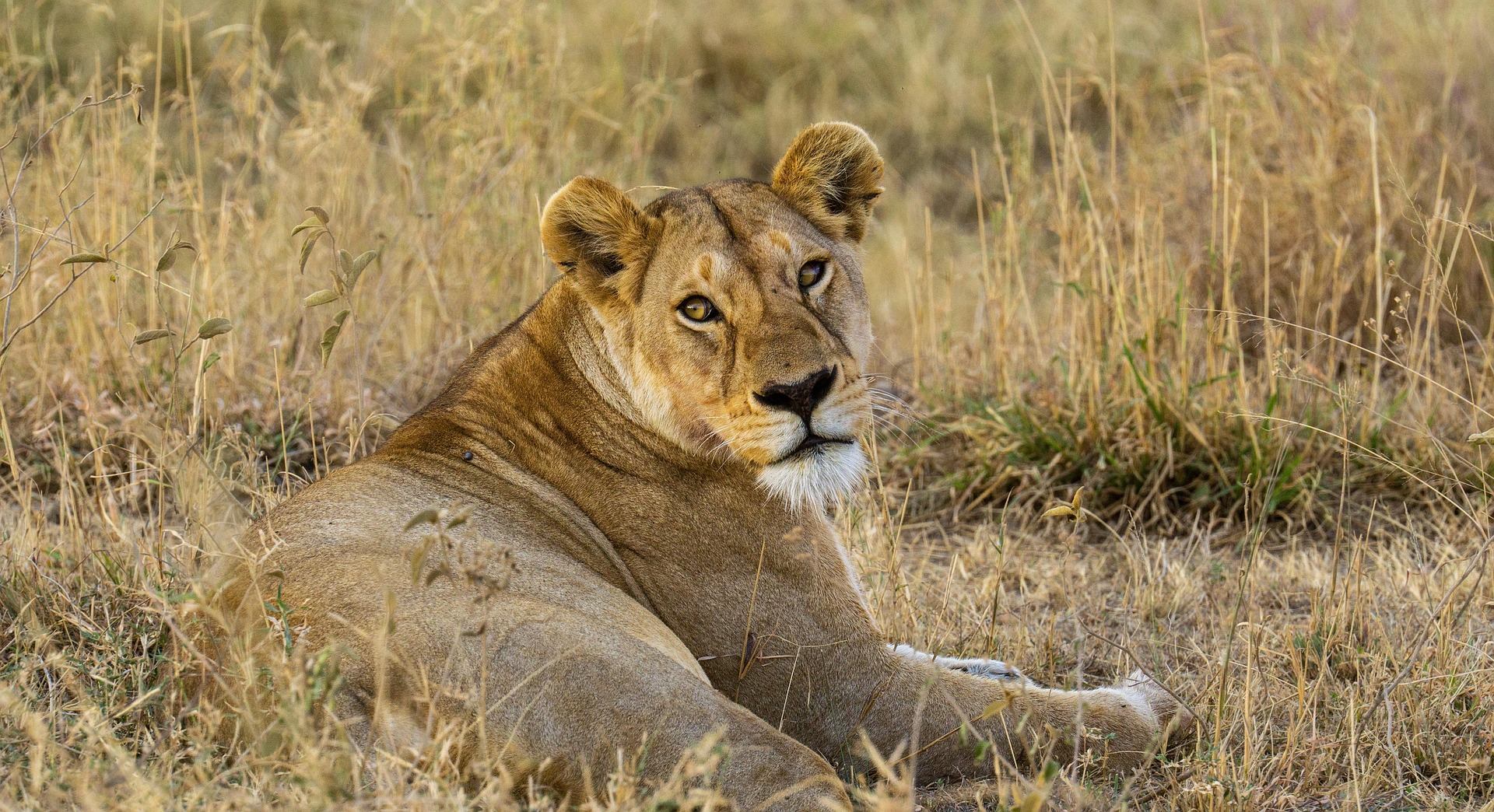
Best time for Serengeti
Best time: June–October (north) and January–February (south)
The Serengeti offers world-class wildlife viewing year-round, but choosing where to stay depends on seasonal animal movements.
When to Avoid: April and early May (peak long rains), as black-cotton mud tracks can make driving difficult in western areas..
Best time for Ngorongoro Crater
Best time: June–October(Peak Wildlife Spotting), with the crater floor at its clearest
Home to over 25,000 large mammals within a 260km² volcanic caldera, Ngorongoro Crater delivers exceptional game viewing in every season.
When to Avoid: Midday hours from July to September due to peak descent road queues
Best time for the Great Migration
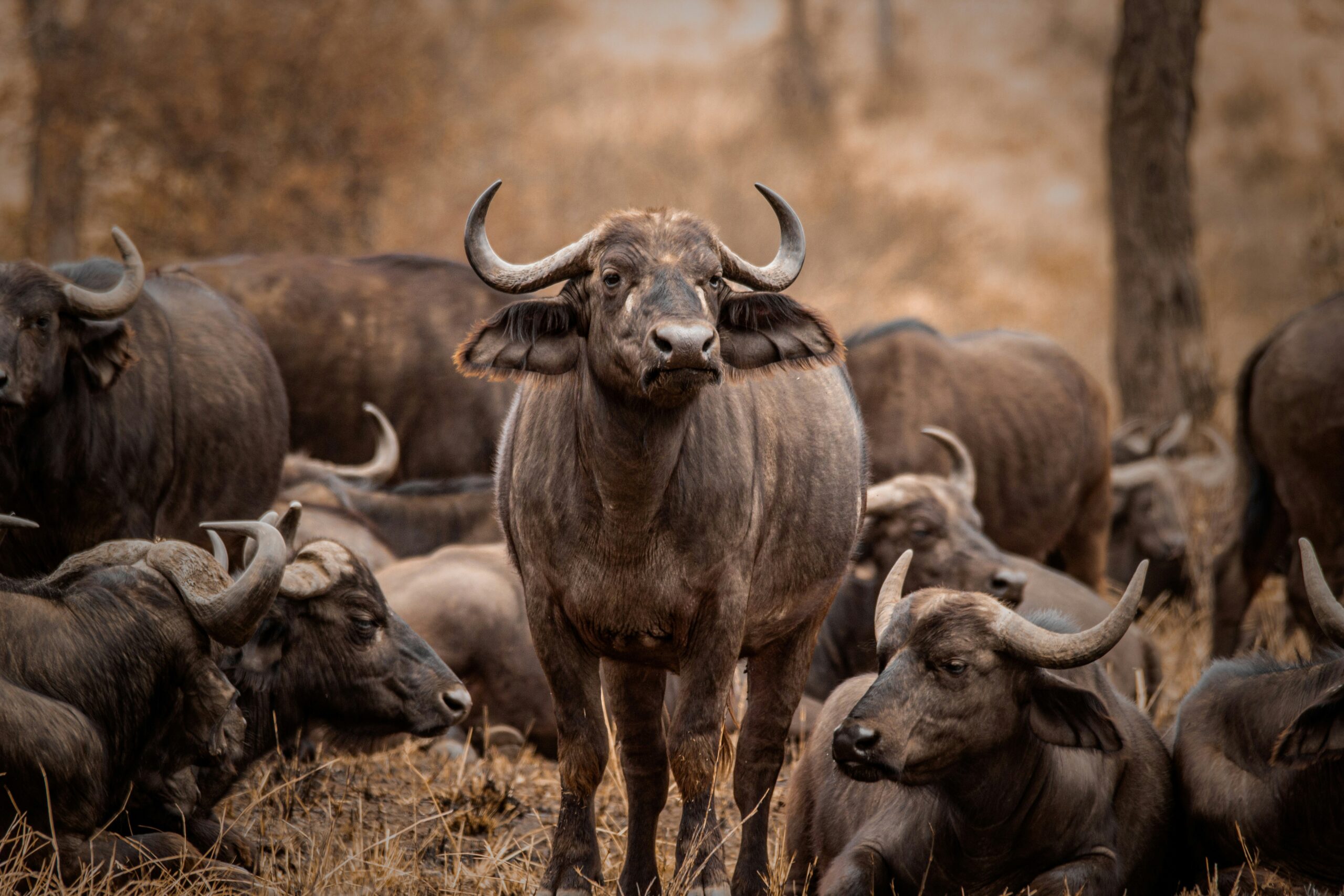
Best time: June to October when animals gather at the river.
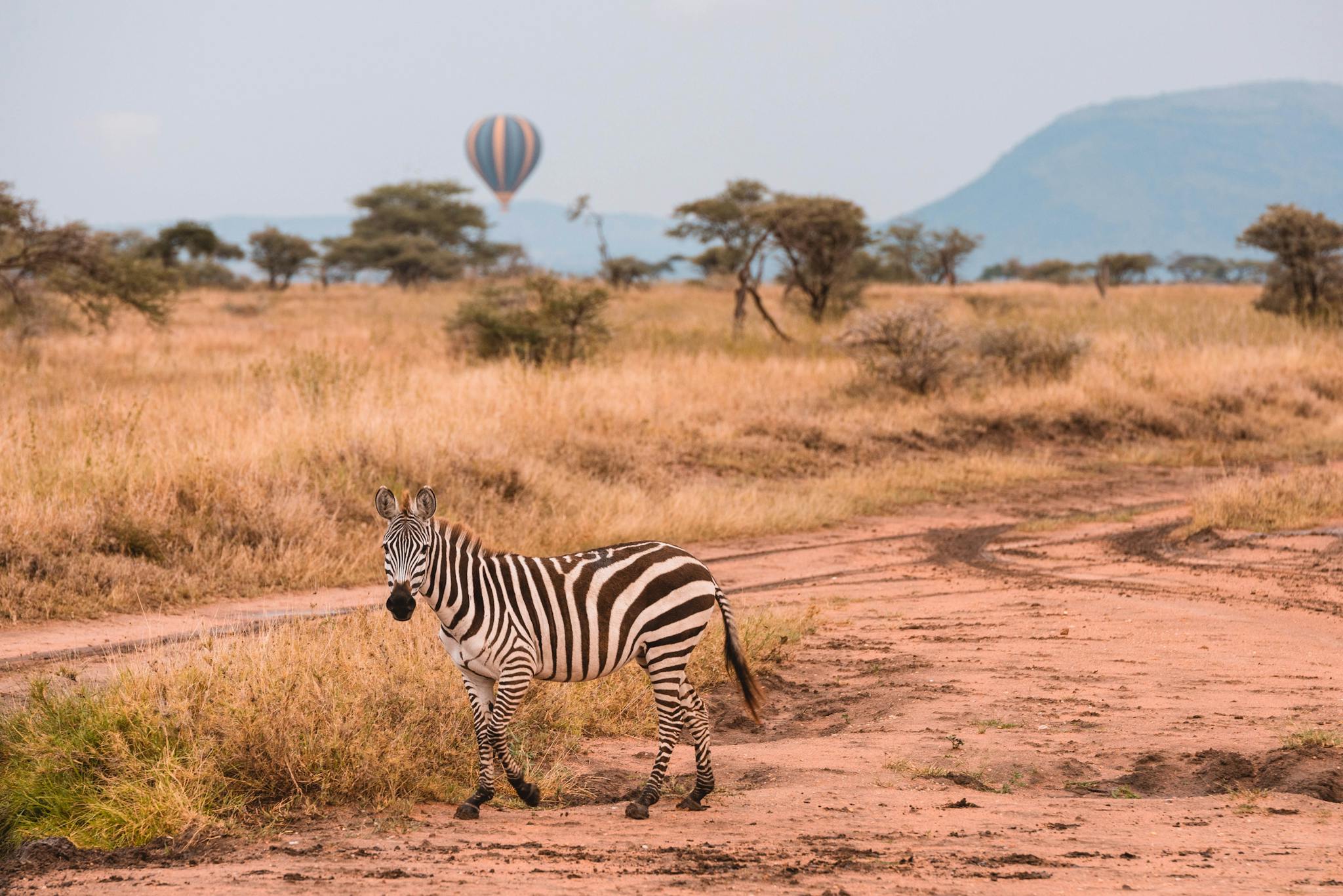
The great migration is an endless 800km circular journey of wildebeest and zebras across the Serengeti.
Avoid: Booking one night in the north in August and expecting a guaranteed crossing.
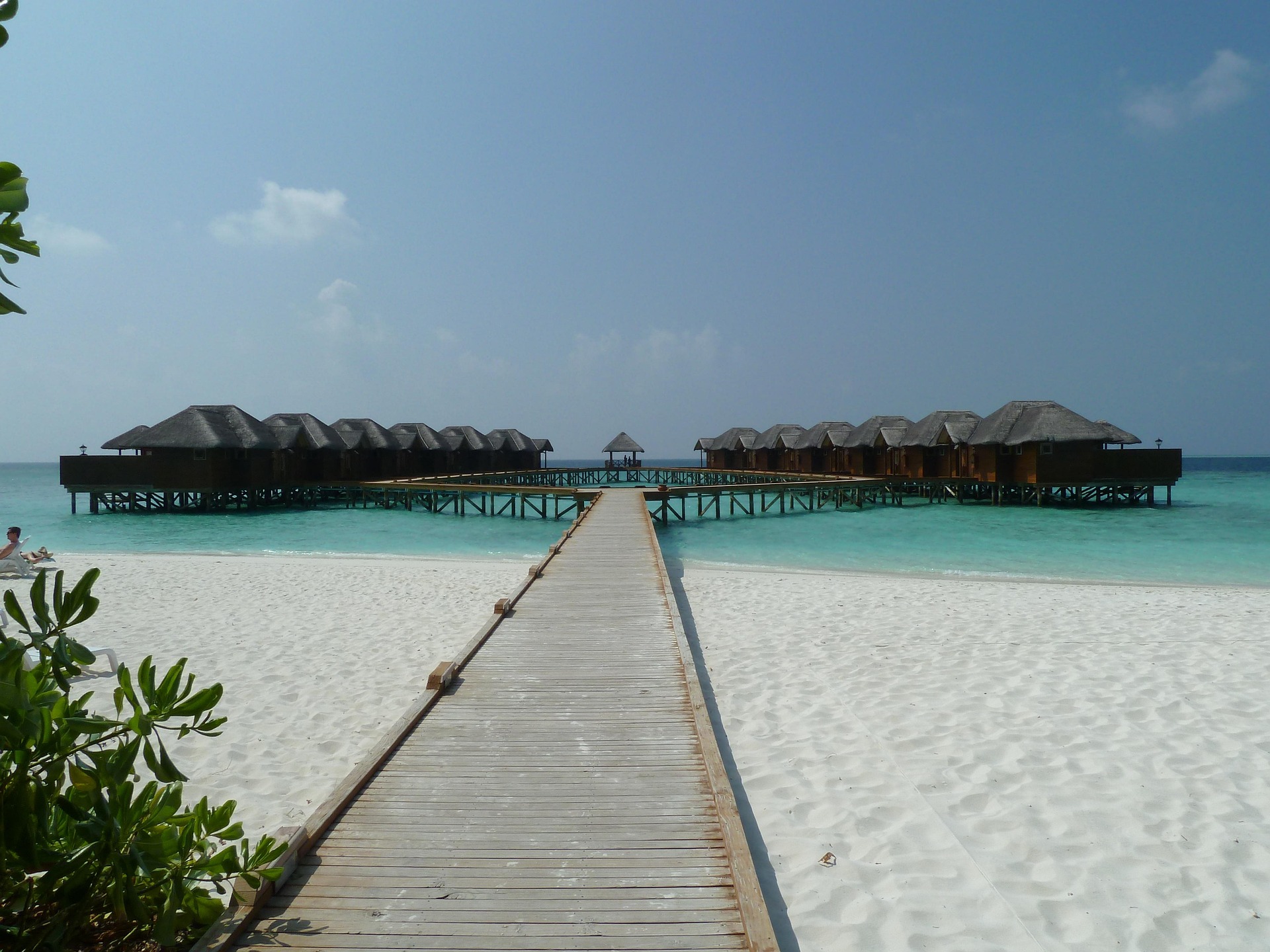
Best time for safari and Zanzibar
Best time: June–October and January–February
Zanzibar’s driest, sunniest stretches line up neatly with the two best safari windows, so a combined trip works best. Sea temperatures sit around 27°C year-round
Avoid: Mid-March to May, the wettest and least reliable beach period.
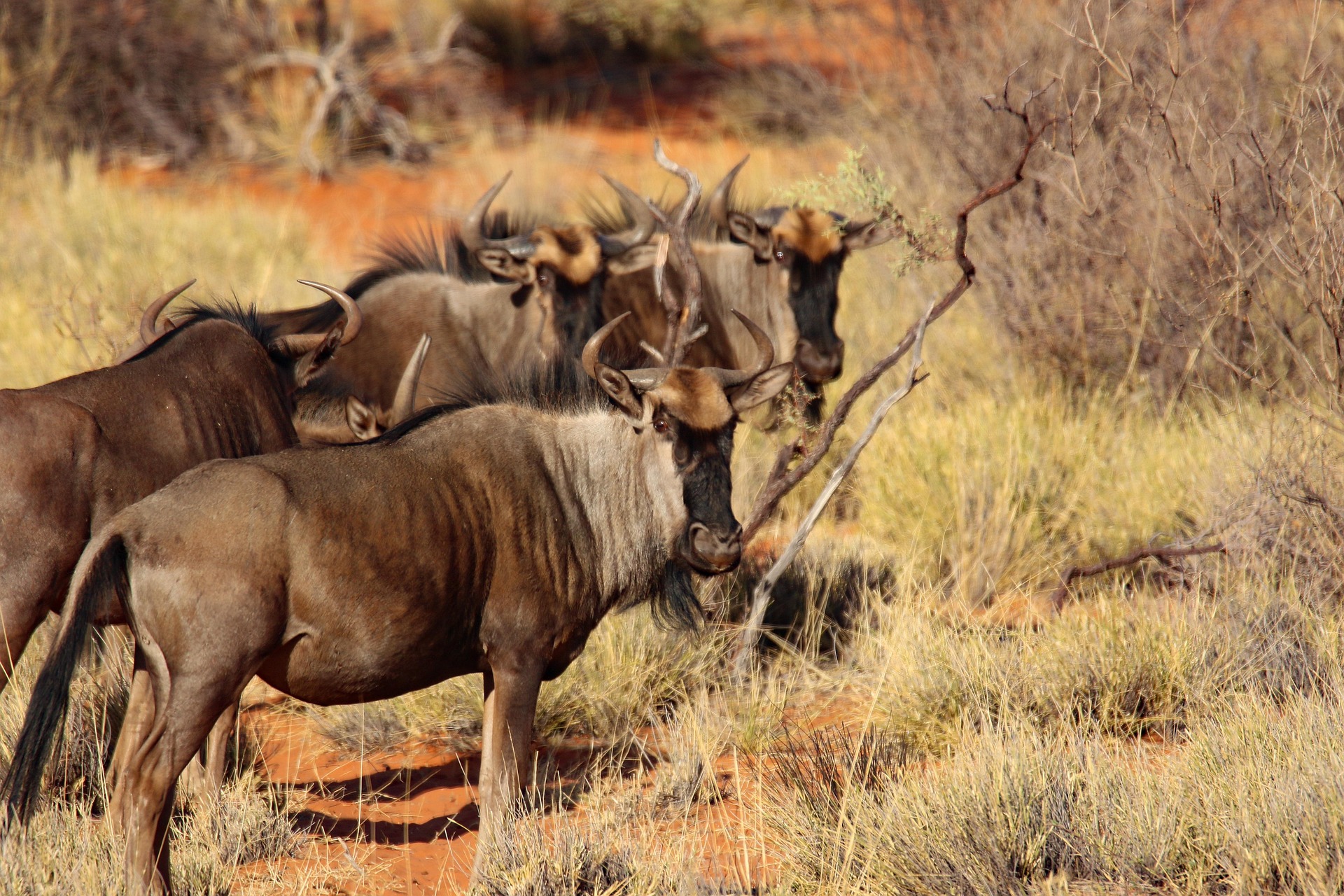
Best time for the calving season
Best time: Late January to mid-March, peaking in February
Around 400,000 wildebeest calves are born on the southern Serengeti and Ndutu short-grass plains thereafter, this concentration of newborns draws lion, cheetah, hyena and wild dog.
Avoid: Late March, when the herds have dispersed and camps begin to move.
Best time for Tarangire and Lake Manyara
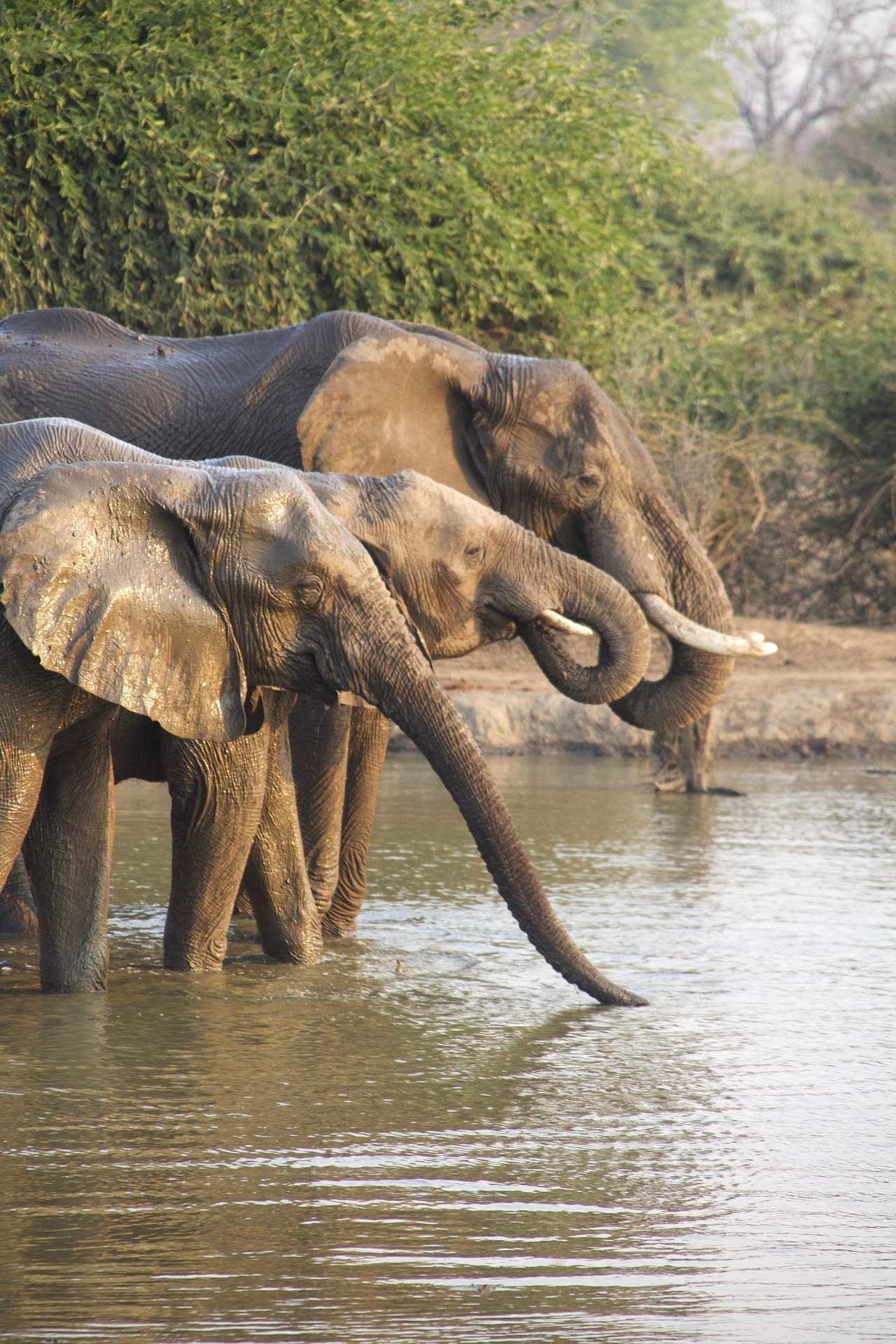
Best time: July–October for elephant concentrations.
Tarangire is the most seasonal park in the northern circuit. As surrounding land dries out from July, thousands of elephants and large herds of buffalo, zebra and eland converge on the Tarangire River — the densest elephant viewing in Tanzania. Lake Manyara is best in the same window for tree-climbing lions and, after rains, for flamingos on the lake shore.
Avoid: March–May, when wildlife disperses widely across the wider ecosystem.
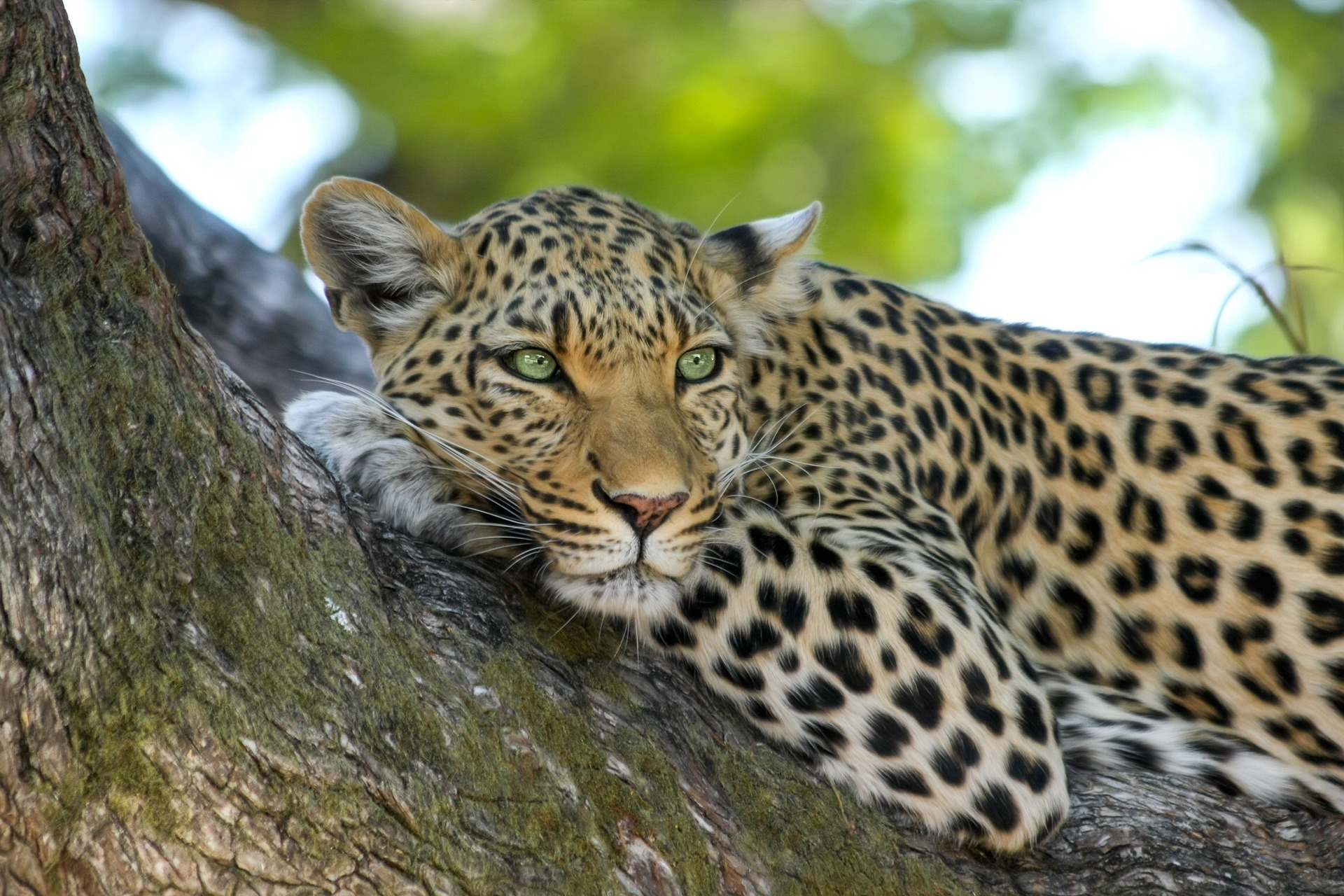
Tanzania Wildlife Viewing Calendar Year-Round
Experience world-class game viewing in Tanzania no matter when you travel. From the dry season months (June to October) offering peak predator action to the lush green season (November to May) ideal for bird watching and newborn calves, our expert safari planners tailor your itinerary to capture the best seasonal wildlife spectacles.
How to avoid the crowds on your Tanzania Safari
Escape the busy tourist tracks with customized safari routes and private game drives. By utilizing exclusive concessions, secret park entrances, early-morning game drives, and hidden wilderness camps across the Serengeti and Tarangire, we ensure an intimate, uninterrupted wildlife experience away from safari vehicle queues.
Our Top Tanzania Safari Packages
Choose from our top-selected itineraries to start your adventure in Tanzania
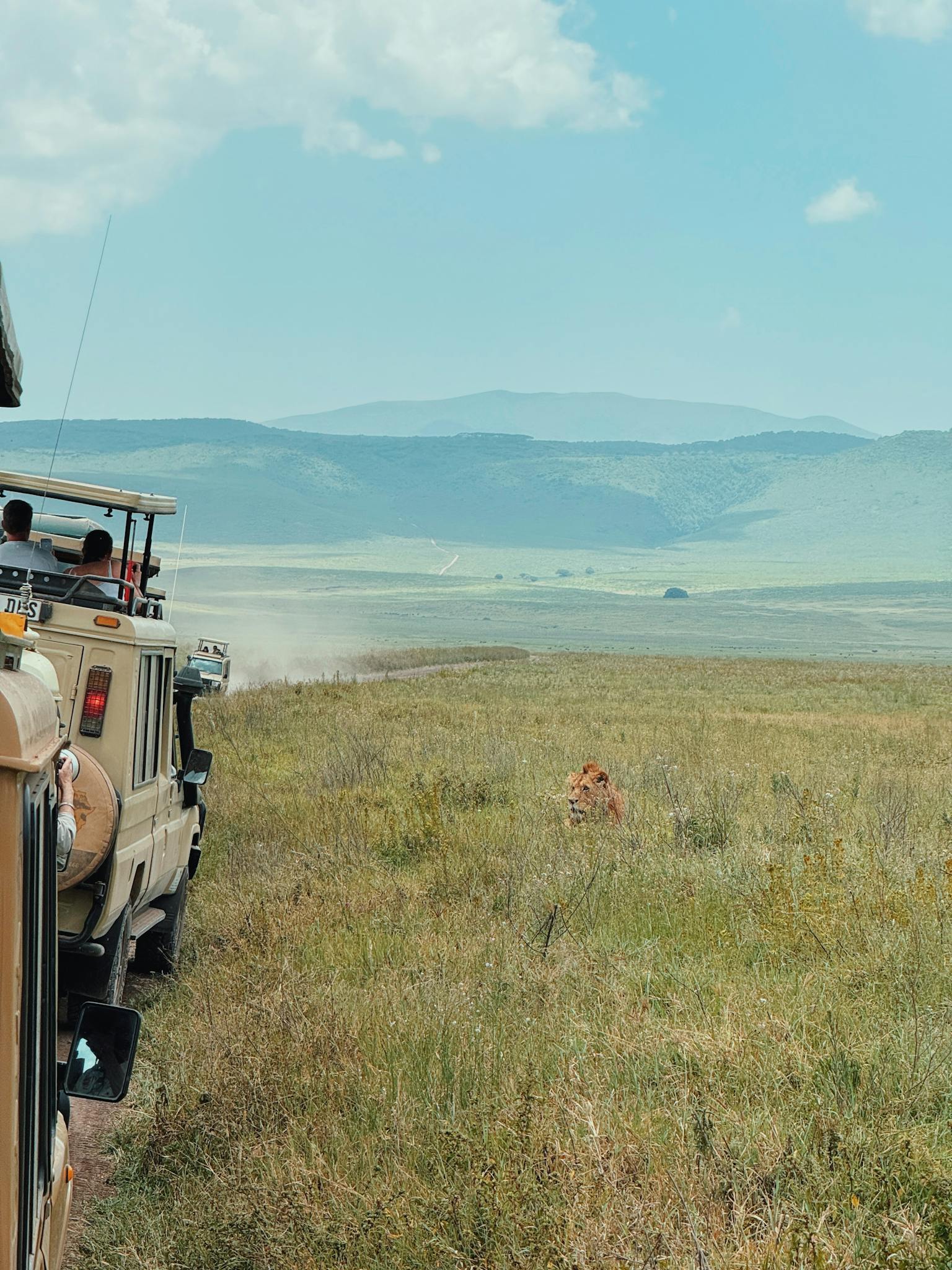
10-day CLASSIC tanzania SAFARI & zanzibar ESCAPE
From $2850pp
Enjoy the Big Five Encounters & Breathtaking Zanzibar Beaches.
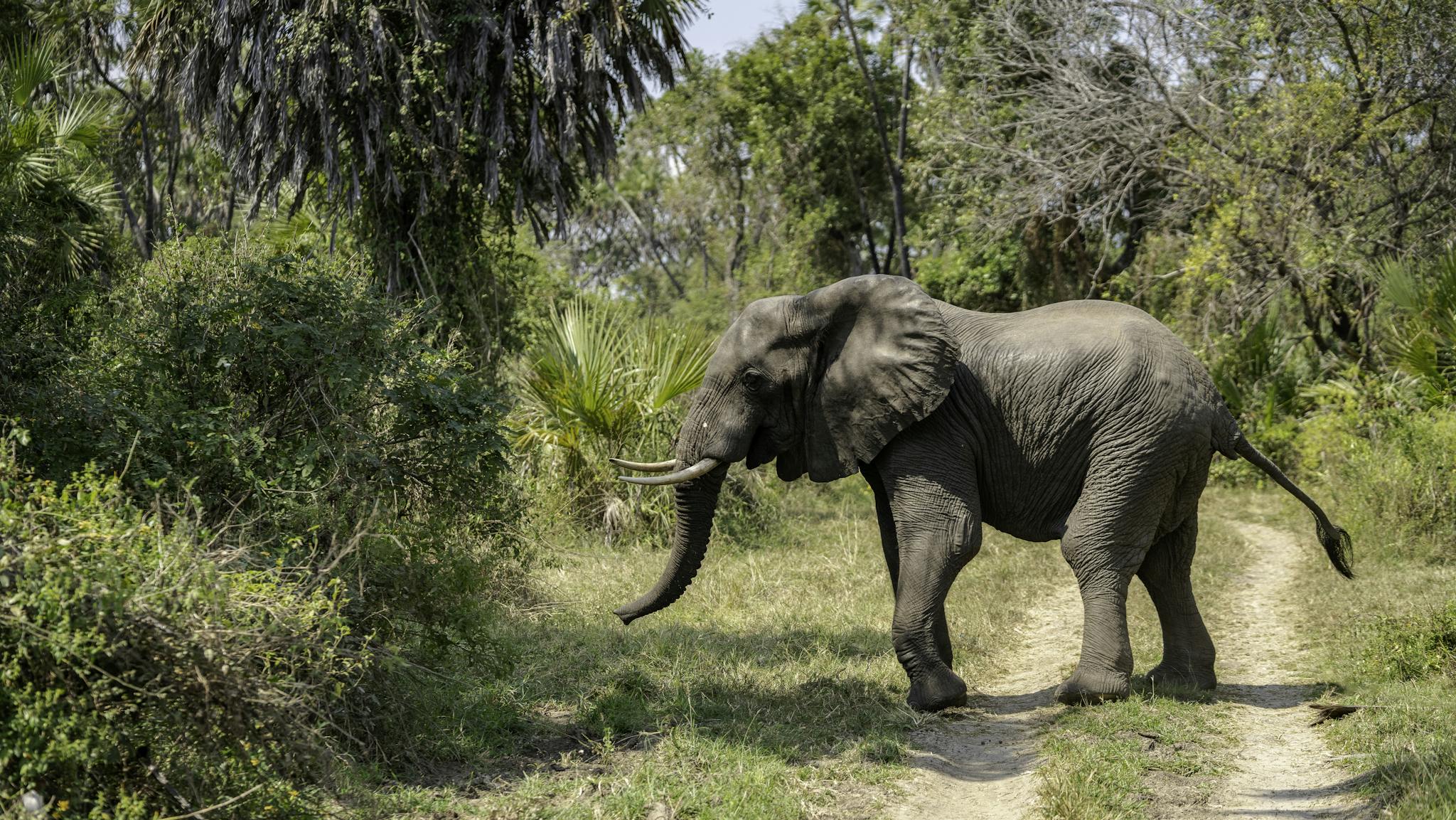
7-Day Serengeti Great Migration Safari
From $2680pp
Adds Lake Manyara and extra Serengeti time to follow the migration herds.
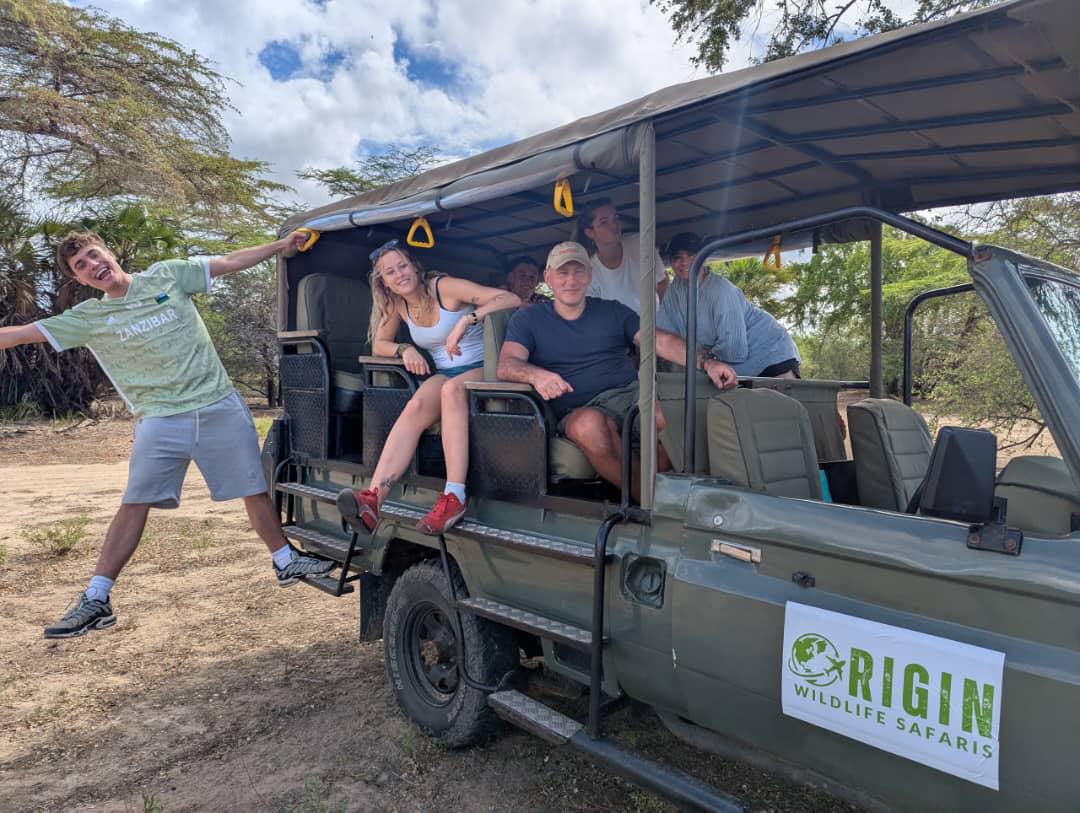
6-day luxury family safari IN tanzania
From $2450
Visiting Tarangire, Serengeti, Ngorongoro Crater and Lake Manyara with comfortable lodges, expert guides, and unforgettable wildlife experiences.
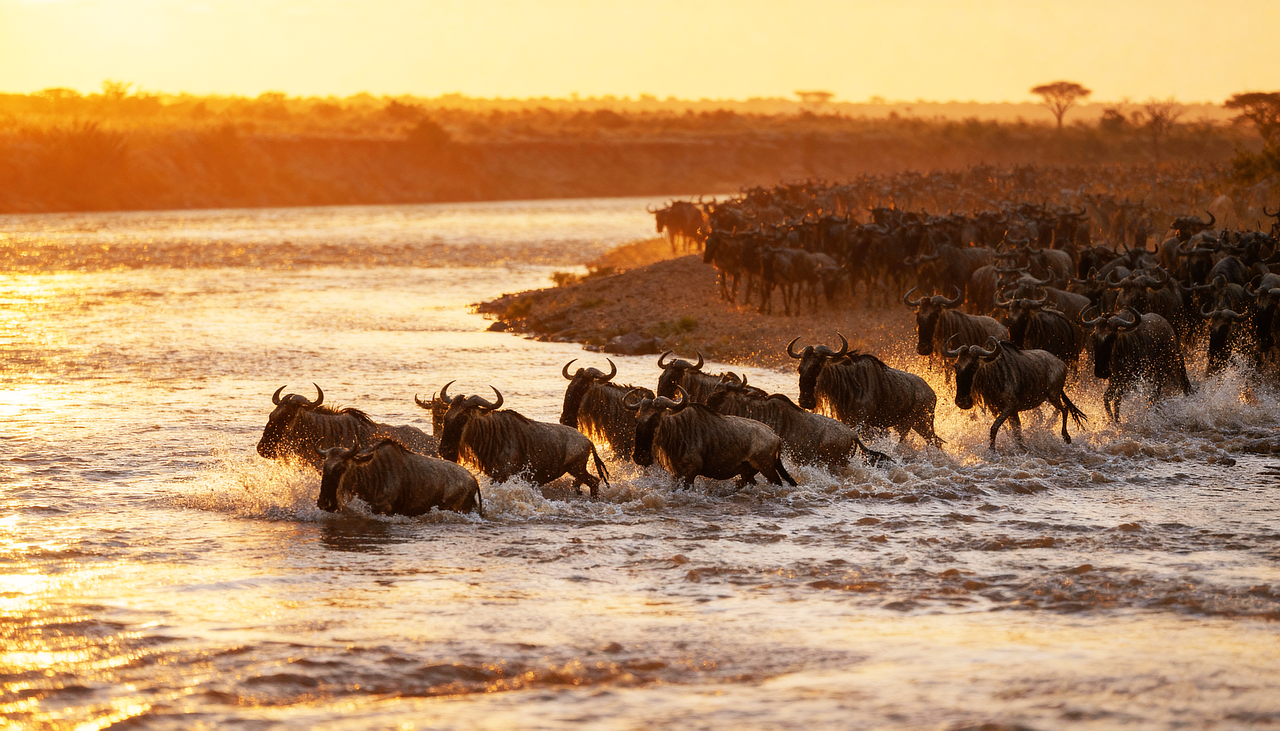
5-Days Tanzania Group & Camping Safari
From $990
Experience 5-day Tanzania safari visiting Tarangire, Serengeti Mara River, Ngorongoro Crater, and Kilimanjaro foothills with expert guides.

Not sure where to Start? Speak with a Safari Expert
Planning a safari can feel overwhelming — from choosing parks to finding the right accommodation and timing your trip.
That’s where we come in. Our team will guide you step by step, answer your questions, and help you design a safari that fits your style, budget, and expectations.
No pressure. No commitment. Just honest advice