National parks of Tanzania
Serengeti National Park
Endless plains, big cats and the Great Migration.
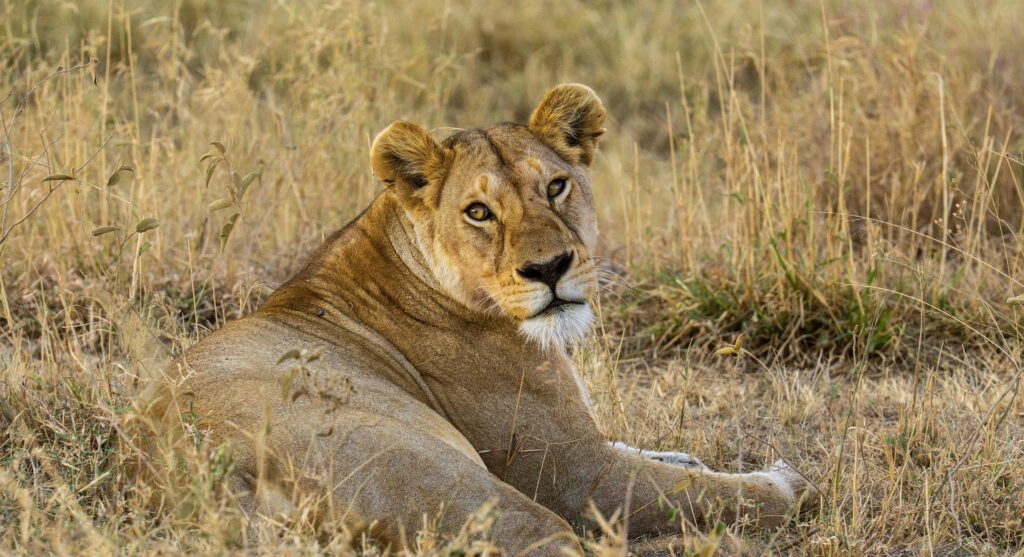
Serengeti National Park is Tanzania’s most famous safari destination: 14,763 km² of grass plains, kopjes and riverine woodland in northern Tanzania, home to the Great Wildebeest Migration and some of Africa’s highest densities of lions, cheetahs and leopards. A UNESCO World Heritage Site since 1981, it borders the Ngorongoro Conservation Area to the south and Kenya’s Masai Mara to the north.
Why go on a Serengeti safari
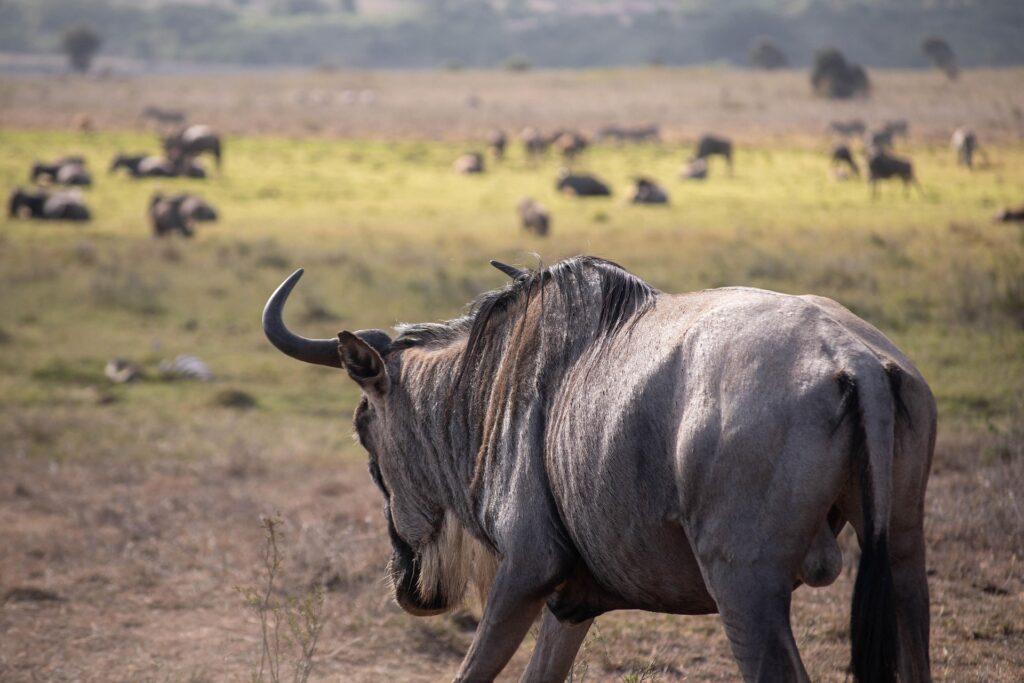
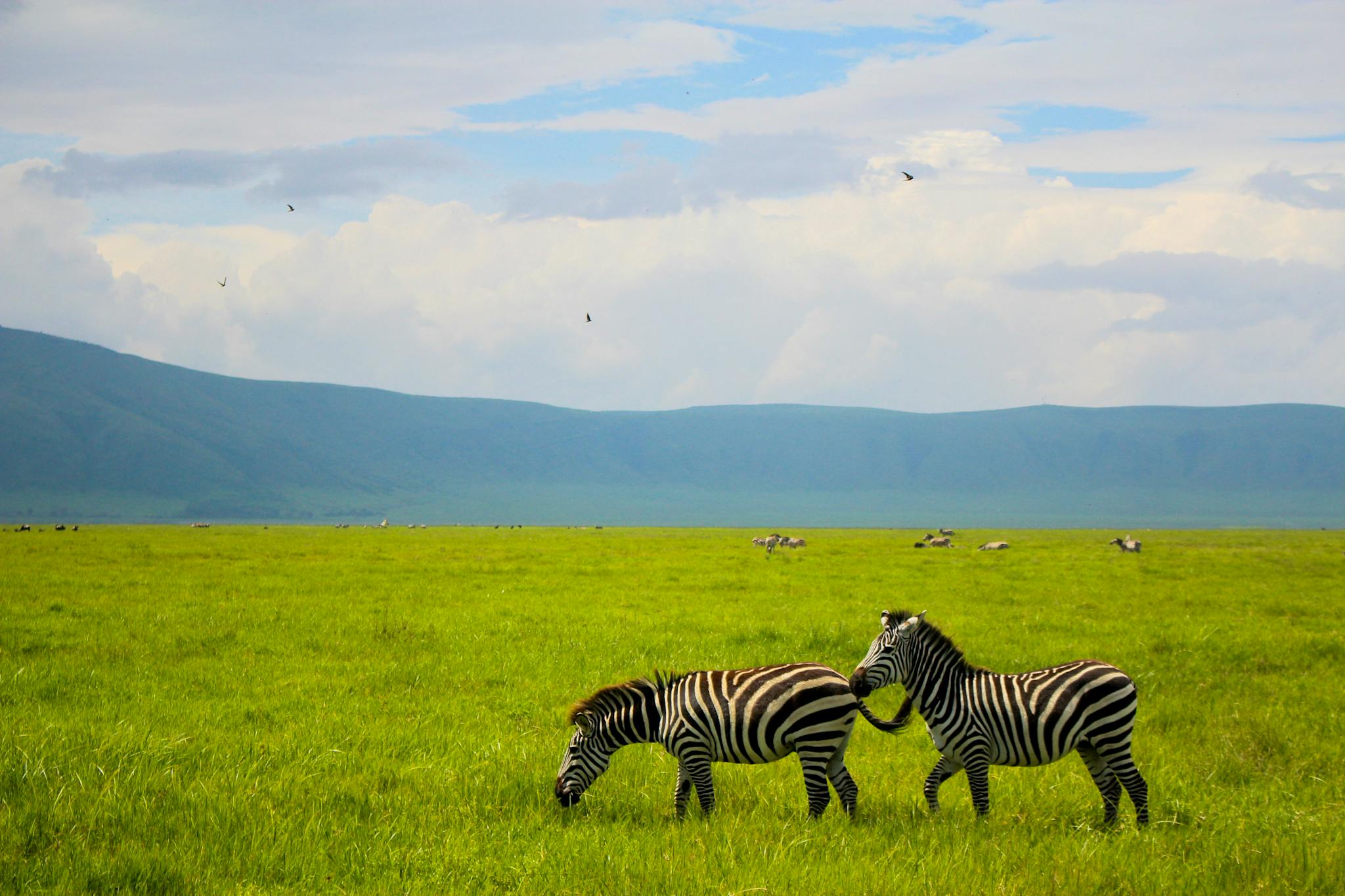
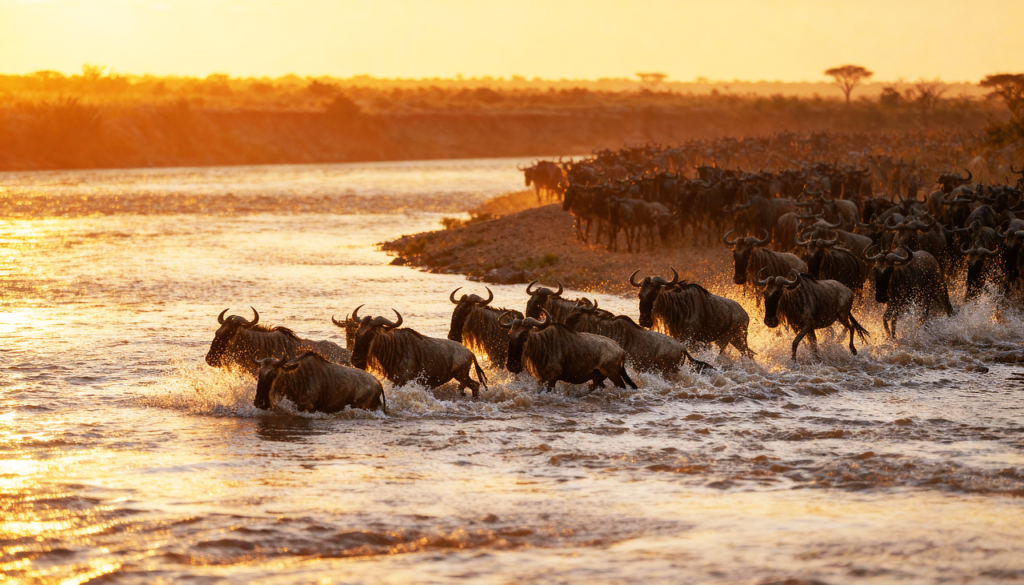
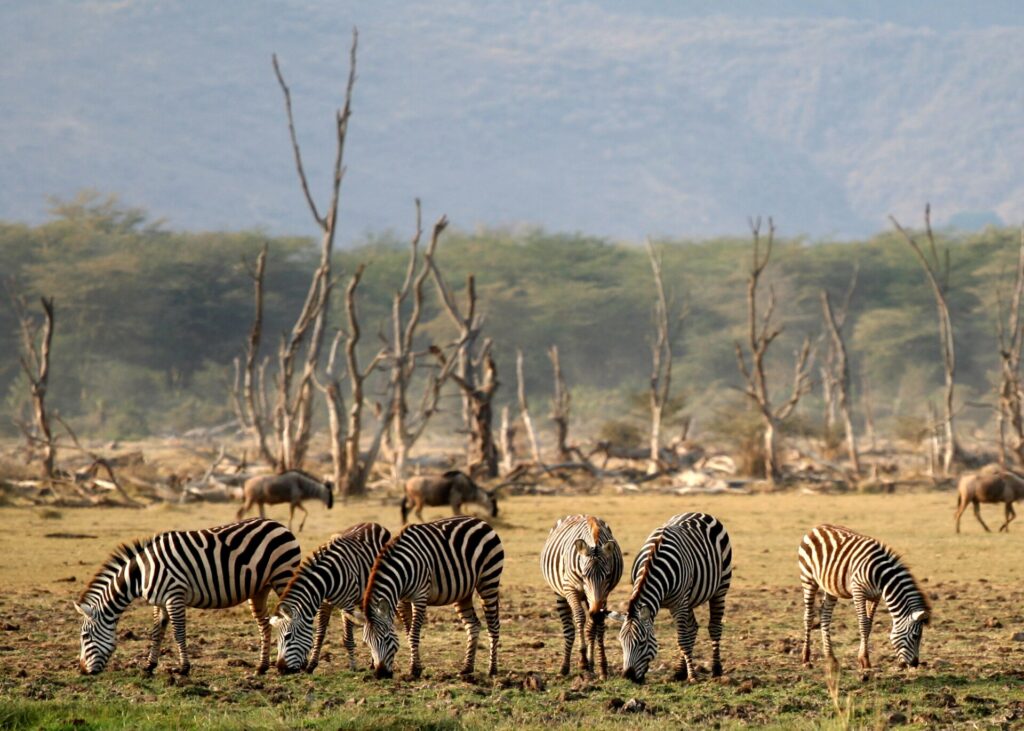
Serengeti comes from the Maasai word siringet, “endless plains”, and the name fits. Around 1.5 million wildebeest and hundreds of thousands of zebra and gazelle circle the ecosystem every year, followed by lions, hyenas and crocodiles. Even outside migration season, the resident wildlife around Seronera in the centre of the park gives some of the best game viewing in Africa, which is why the Serengeti is the heart of almost every northern Tanzania safari.
The Great Migration in the Serengeti
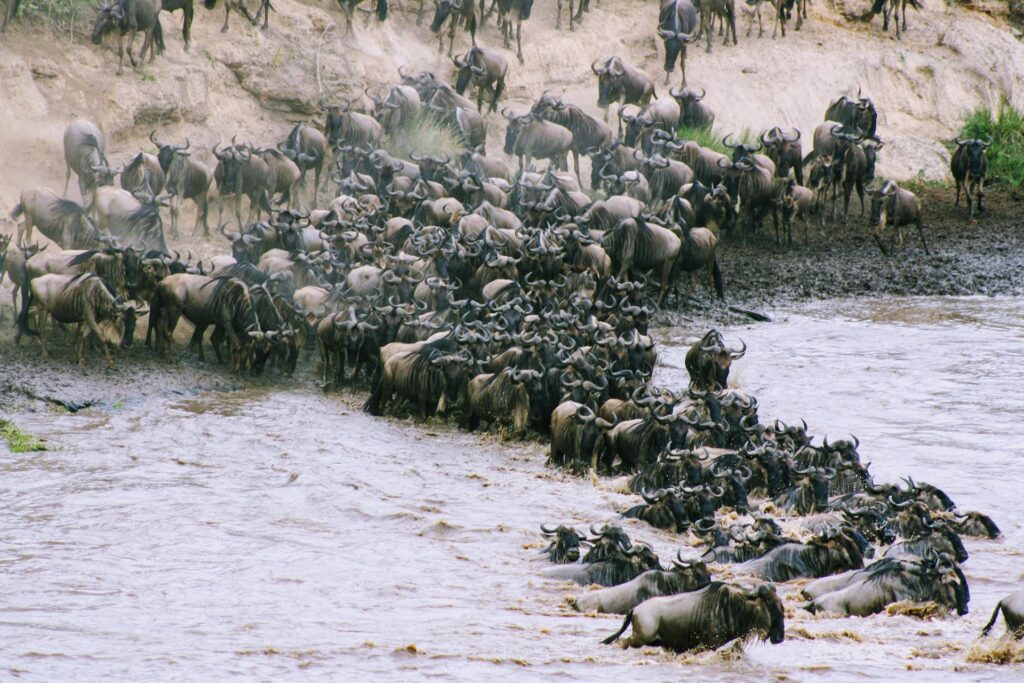
The Great Migration is a year-round loop, not a single event. The herds calve on the southern plains around Ndutu from January to March, move through the central and western Serengeti from April to June, cross the Grumeti River in June and July, and face the Mara River crossings in the northern Serengeti from July to October, before heading south again with the short rains in November. Exact timing follows the rain, so our guides track the herds week by week.
Best time to visit the Serengeti, month by month
The Serengeti is good all year. June to October is the classic dry season, and January to March is calving season in the south.
| Months | Where the herds are | What to expect | Season |
|---|---|---|---|
| January to March | Southern plains and Ndutu | Calving season, newborn calves and busy predators | High, green |
| April and May | Central and western Serengeti | Long rains, lush plains, fewest vehicles and lowest rates | Low |
| June and July | Western corridor and Seronera | Herds on the move, Grumeti River crossings begin | Peak, dry |
| August to October | Northern Serengeti (Kogatende, Lobo) | Mara River crossings and the best all-round game viewing | Peak, dry |
| November and December | Eastern and southern plains | Short rains, herds head south, migrant birds arrive | Shoulder |
Areas of the Serengeti and where to stay
- Central Serengeti (Seronera): year-round resident wildlife, the highest lion density and easy access to every other area. Best for first-time visitors.
- Northern Serengeti (Kogatende and Lobo): remote and quiet, the place for Mara River crossings from July to October.
- Western corridor (Grumeti): riverine forest, big crocodiles and Grumeti River crossings in June and July.
- Southern Serengeti and Ndutu: short-grass plains and the calving season from December to March.
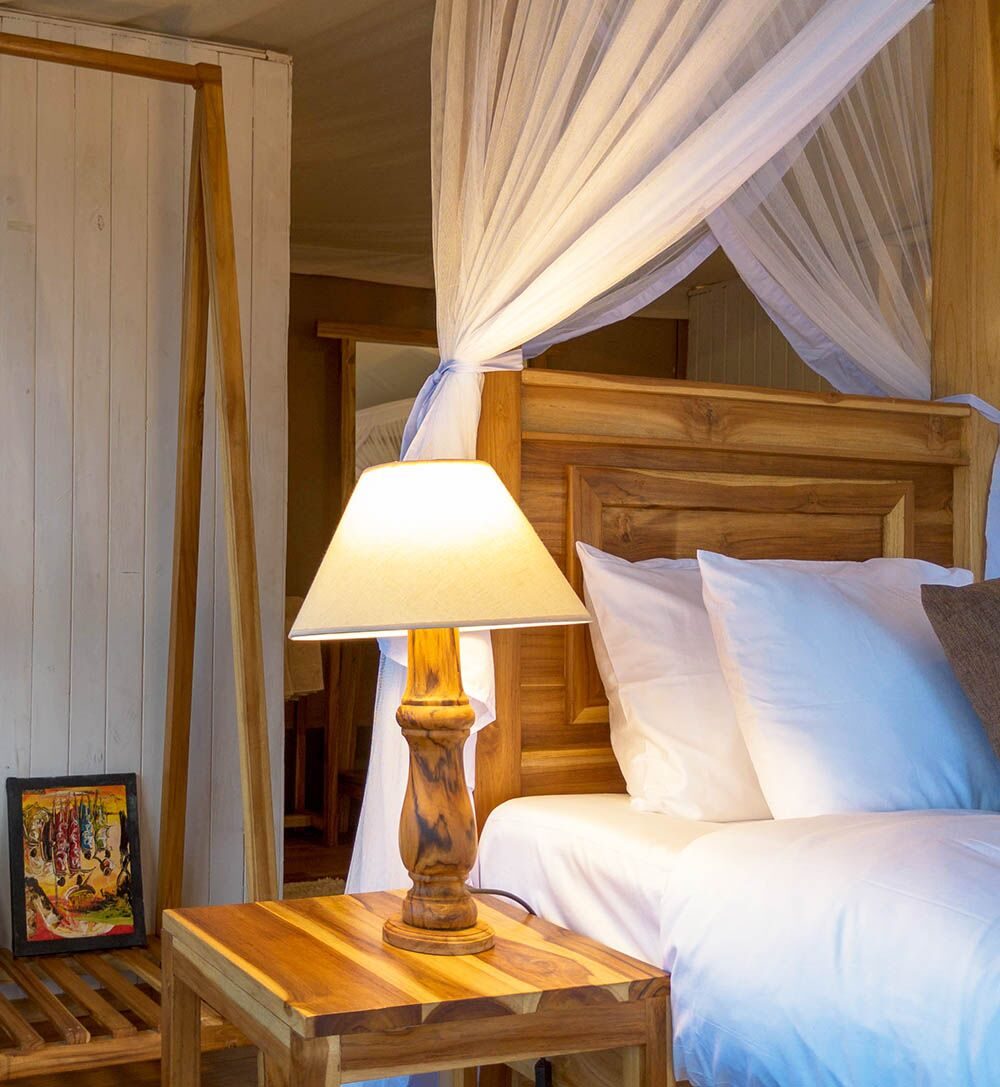
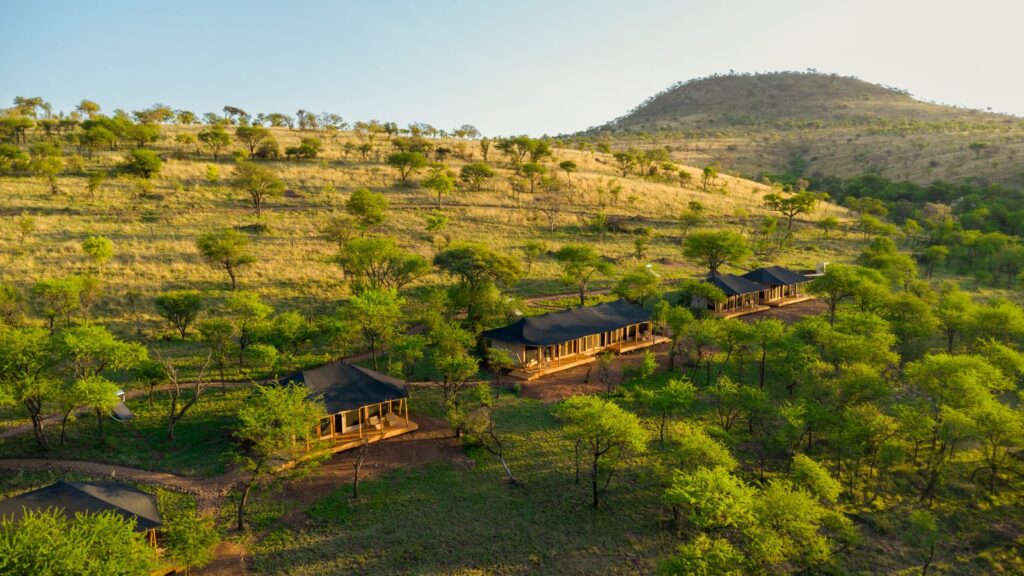
Accommodation ranges from public campsites on a budget camping safari to mid-range tented camps and luxury lodges such as Four Seasons Safari Lodge and Serengeti Sametu Camp. See all Serengeti lodges and camps.
Serengeti wildlife and birds
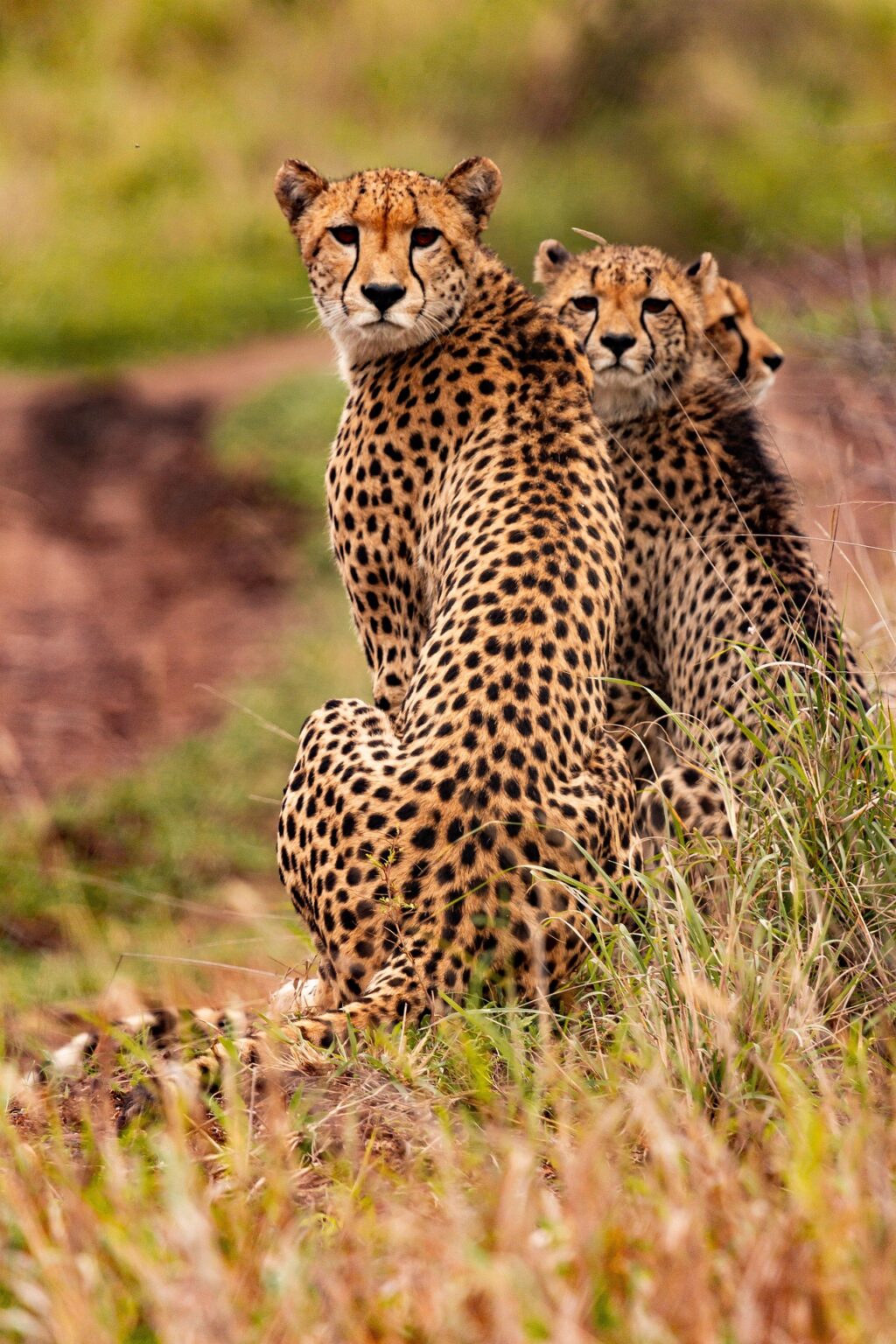
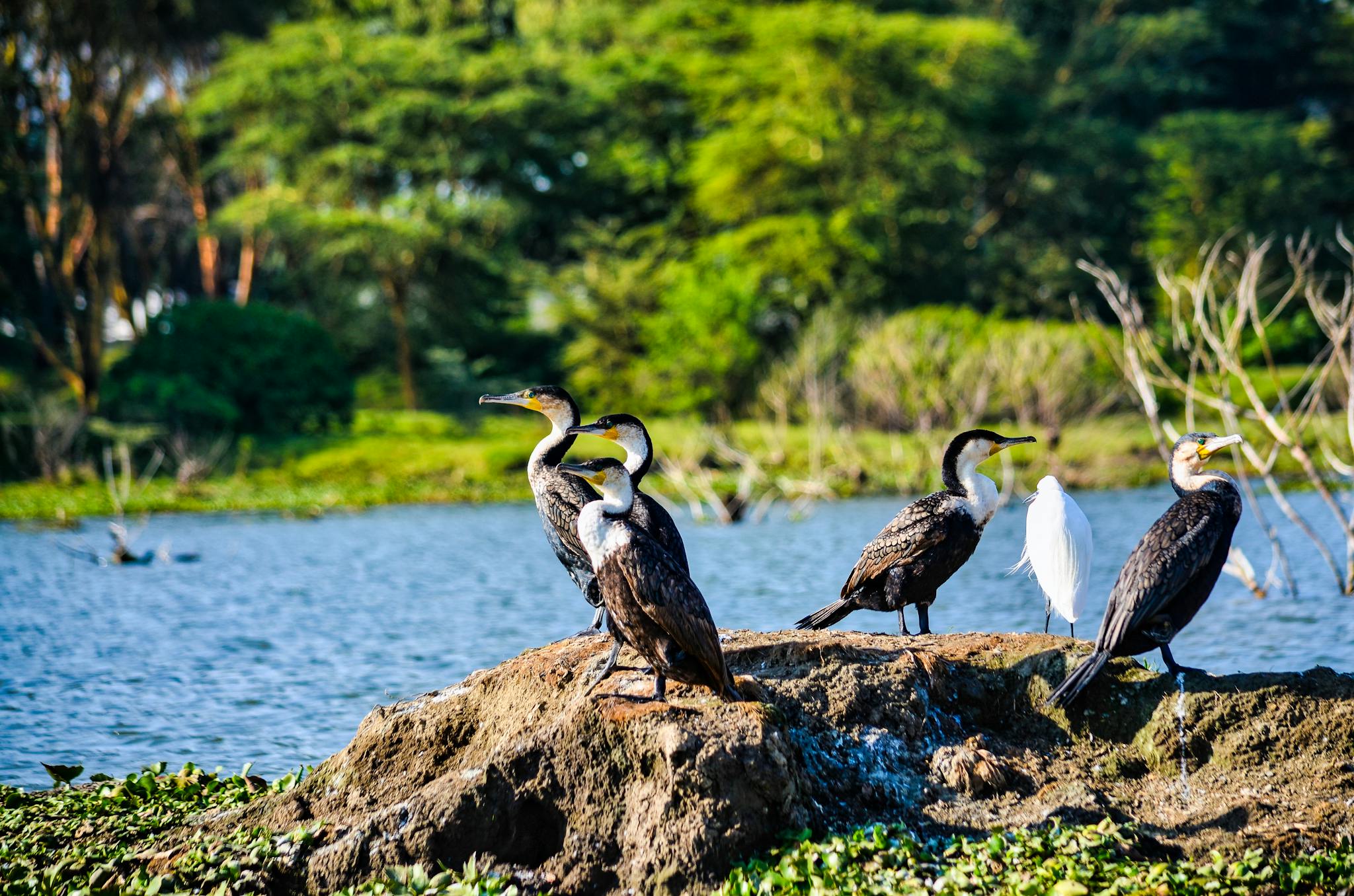
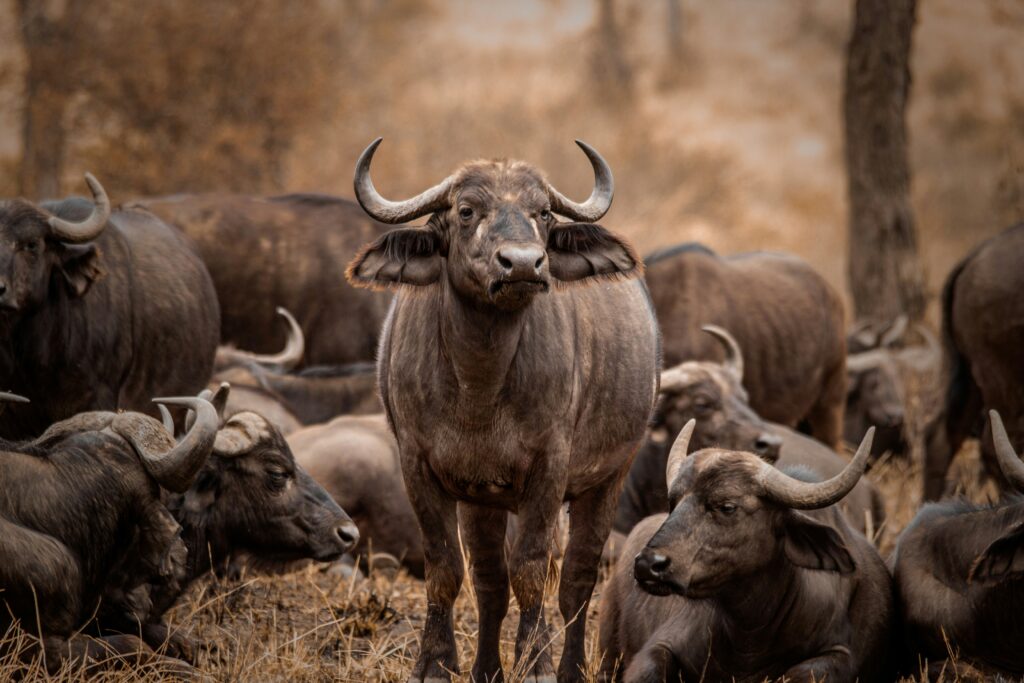
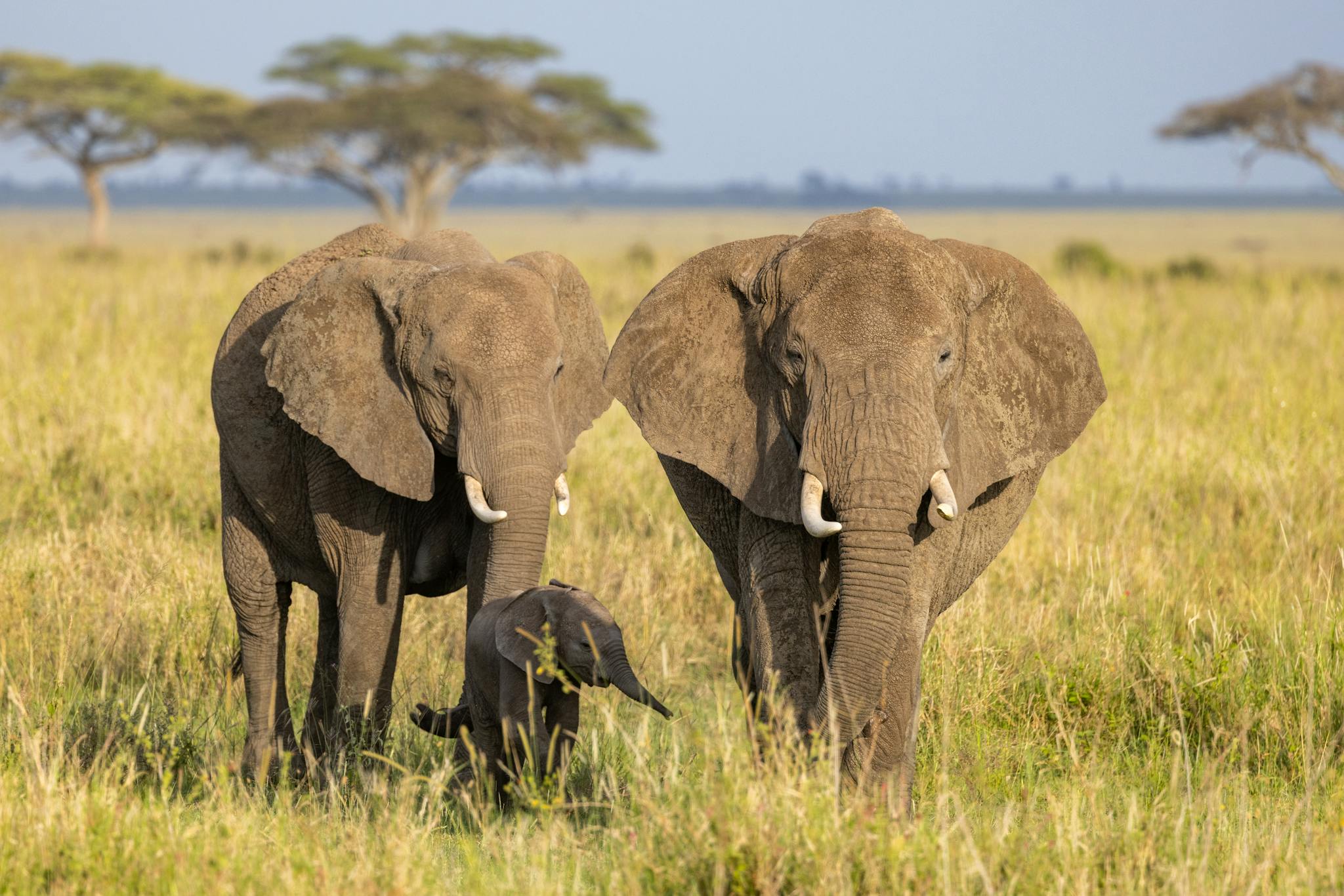
Four of the Big Five (lion, leopard, elephant and buffalo) are seen regularly, along with cheetah, spotted hyena, giraffe, hippo, Nile crocodile and huge numbers of wildebeest, zebra and gazelle. Black rhino live around the Moru Kopjes but are rarely seen, so we pair the Serengeti with the Ngorongoro Crater for your best rhino chance. More than 500 bird species have been recorded, from kori bustards and secretary birds to the lilac-breasted roller and Fischer’s lovebird.
Things to do in the Serengeti
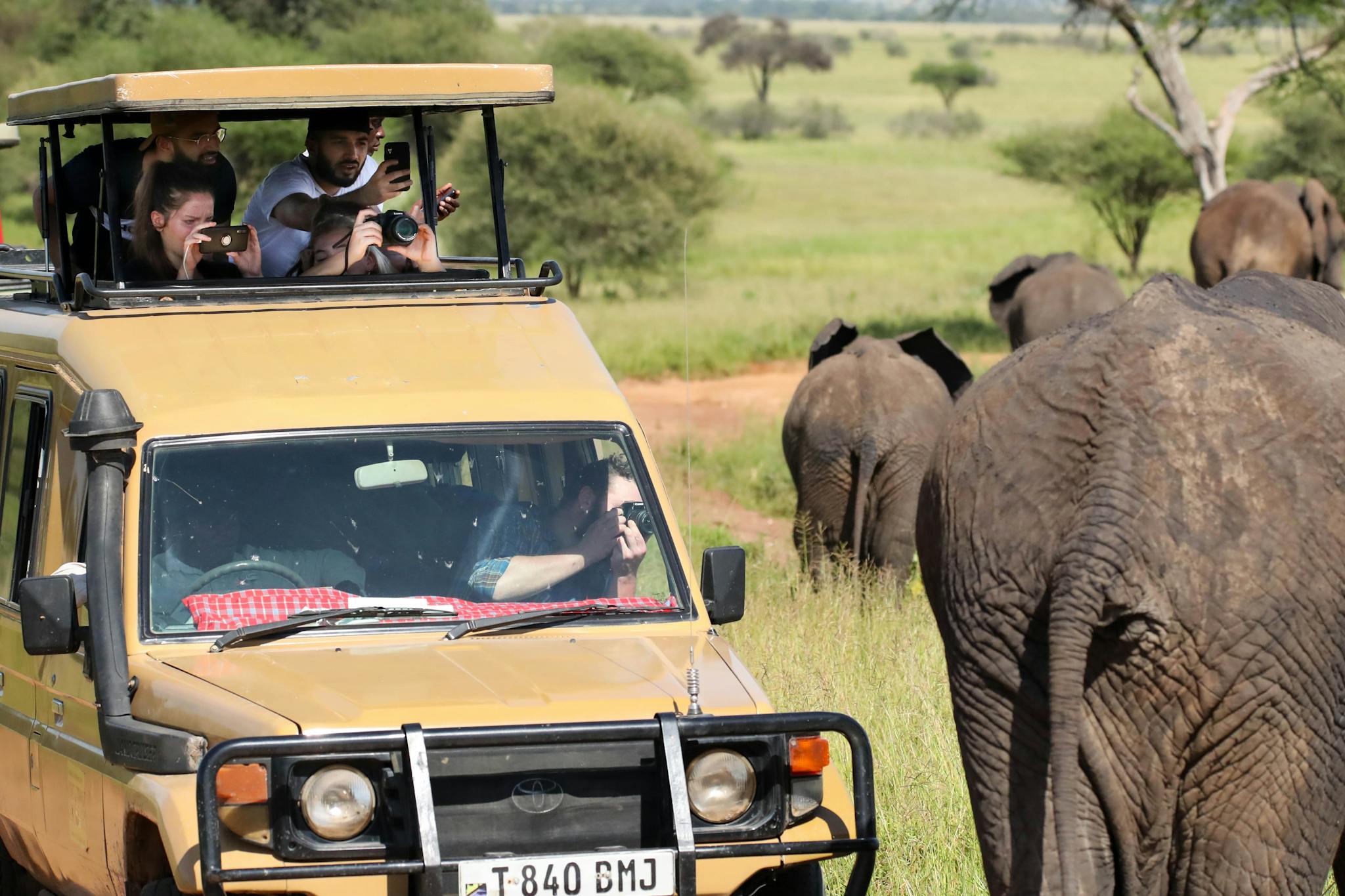
- Game drives: morning and afternoon drives in a 4×4 Land Cruiser with a pop-up roof, when predators are most active.
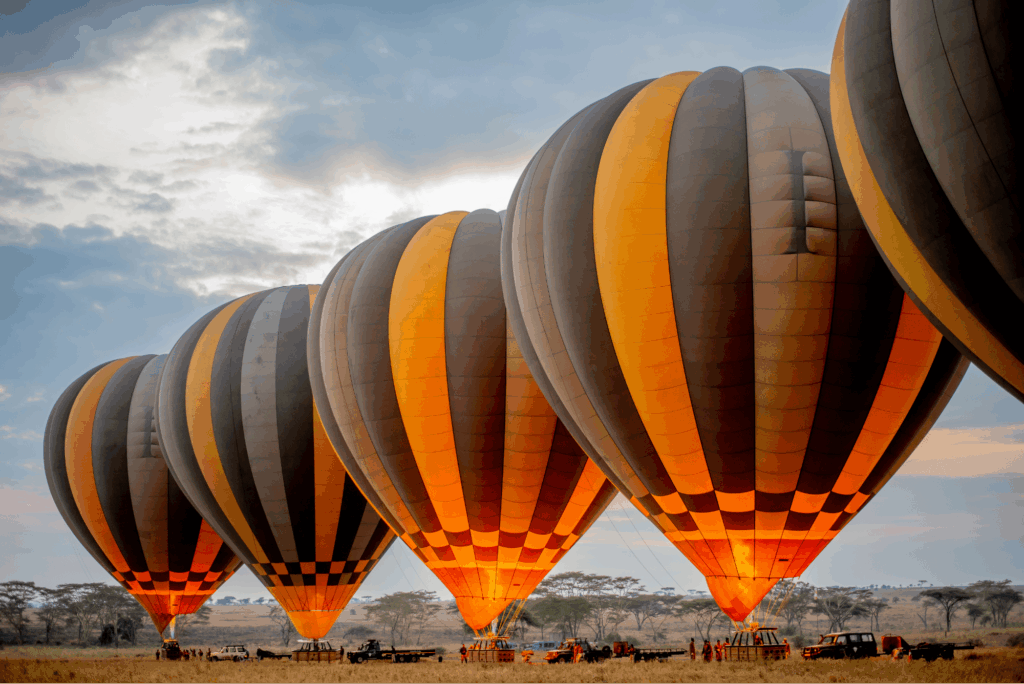
- Hot-air balloon safari: about an hour over the plains at sunrise, followed by a bush breakfast. Expect around US$550 to US$600 per person.
- Walking safaris: short walks with an armed ranger in permitted areas, focused on tracks, plants and birds.
- Bird watching: best from November to April, when migrant species arrive.
How to get to the Serengeti
By road: Arusha to the Serengeti is about 320 km, or 7 to 8 hours, usually broken up with stops at Tarangire, Lake Manyara and the Ngorongoro Crater on the classic northern circuit. By air: daily scheduled flights from Arusha, Kilimanjaro and Zanzibar reach Seronera, Kogatende, Ndutu and other airstrips in 1 to 2 hours, which saves a long drive and suits short trips.
Serengeti entrance fees and safari cost (2026)
Serengeti National Park conservation fees are US$82.60 per non-resident adult per 24 hours, including 18% VAT, with lower rates for children. A Serengeti safari with us costs about US$200 to US$300 per person per day on a budget camping safari, US$350 to US$600 on a mid-range safari and US$600 to US$1,200 on a luxury safari, with park fees, vehicle, guide, meals and accommodation included. Park fees are set by Tanzania National Parks and can change, so every quote shows the current rate.
How we run Serengeti safaris
We drive in from the Ngorongoro highlands, game-viewing on the way, or fly in to Seronera, Kogatende or Ndutu airstrips. Your guide plans each day around where the herds and cats are that week, and we pick camps that put you close to the action for your dates.
Highlights of Serengeti National Park
- Great Migration river crossings on the Mara River
- Calving season on the southern plains
- Big cats on the Seronera kopjes
- Sunrise hot-air balloon flights
- Endless golden plains at sunset
Where to stay
Accommodation in and near Serengeti National Park
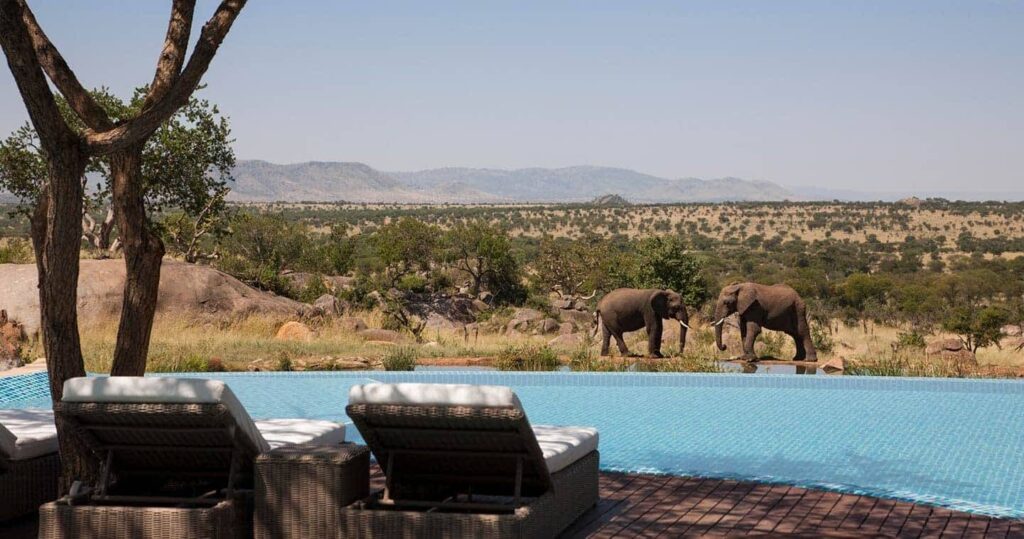 SerengetiLuxury
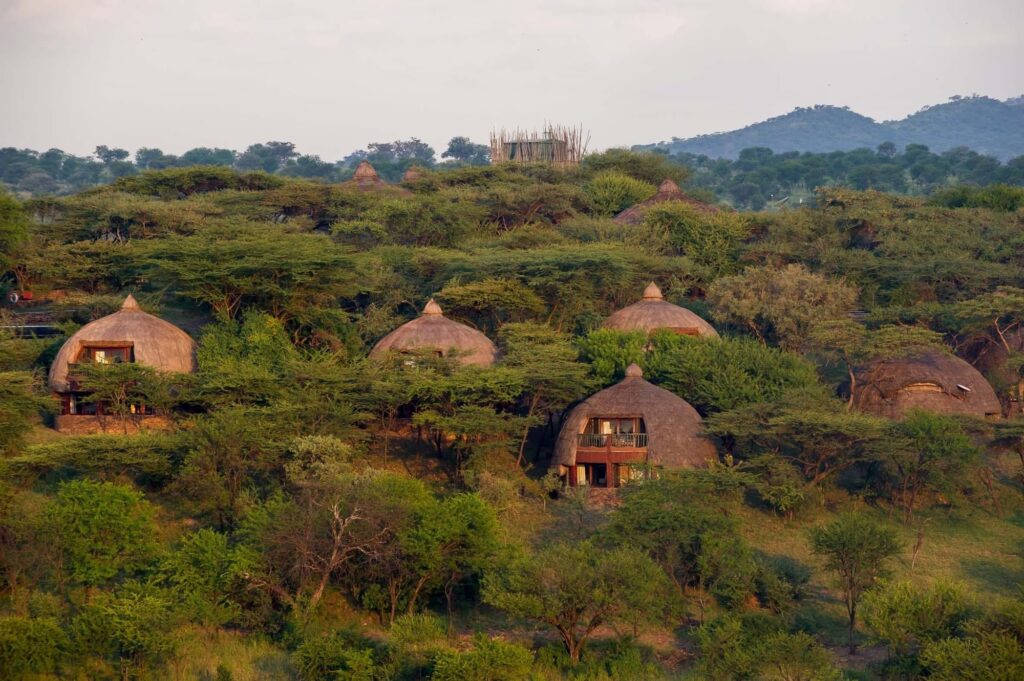 SerengetiLuxury
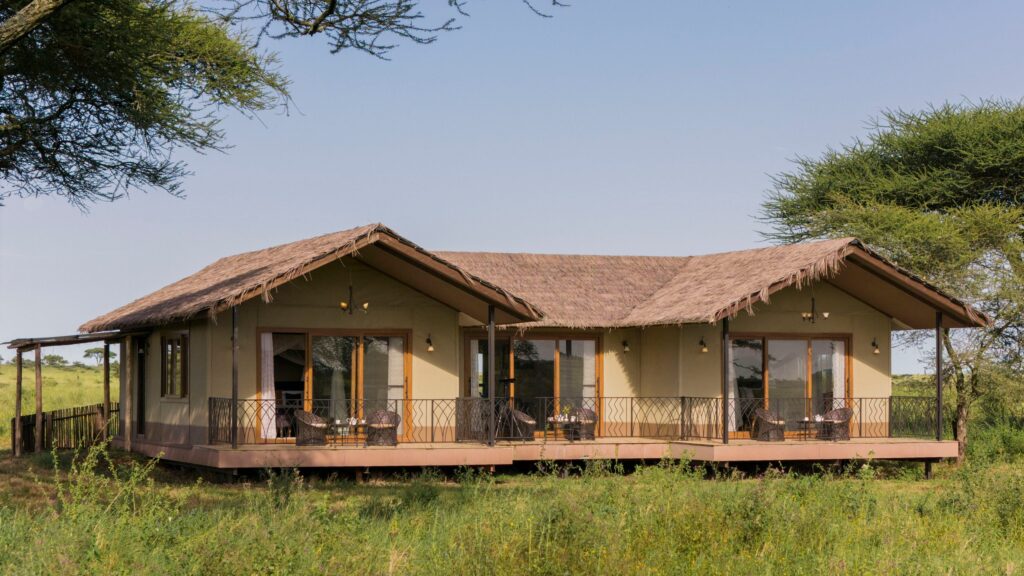 SerengetiLuxury
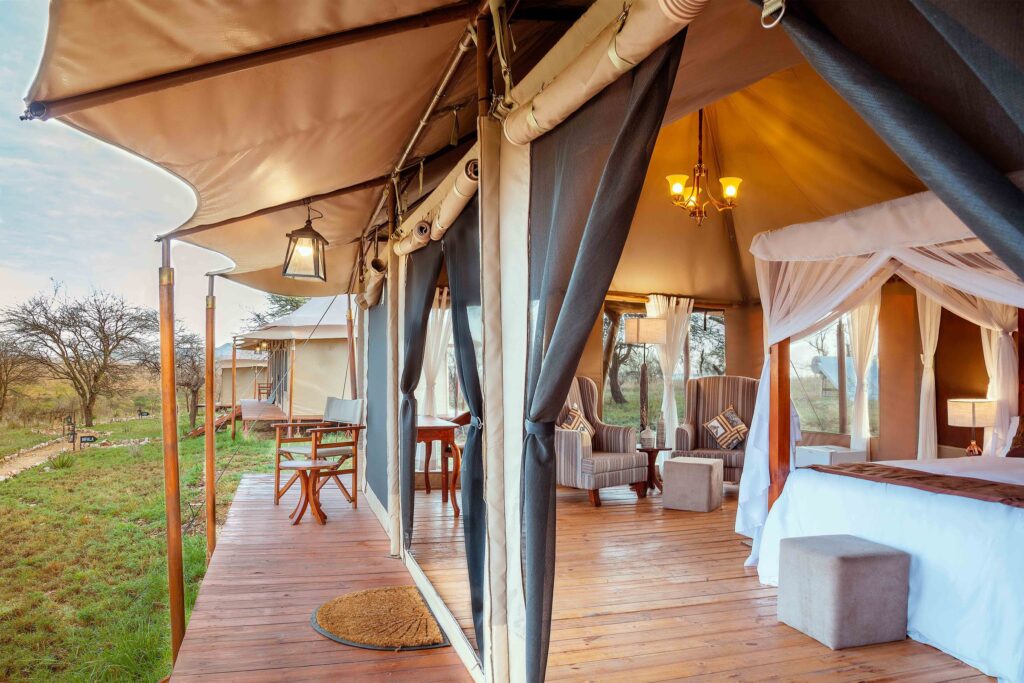 SerengetiMid-range
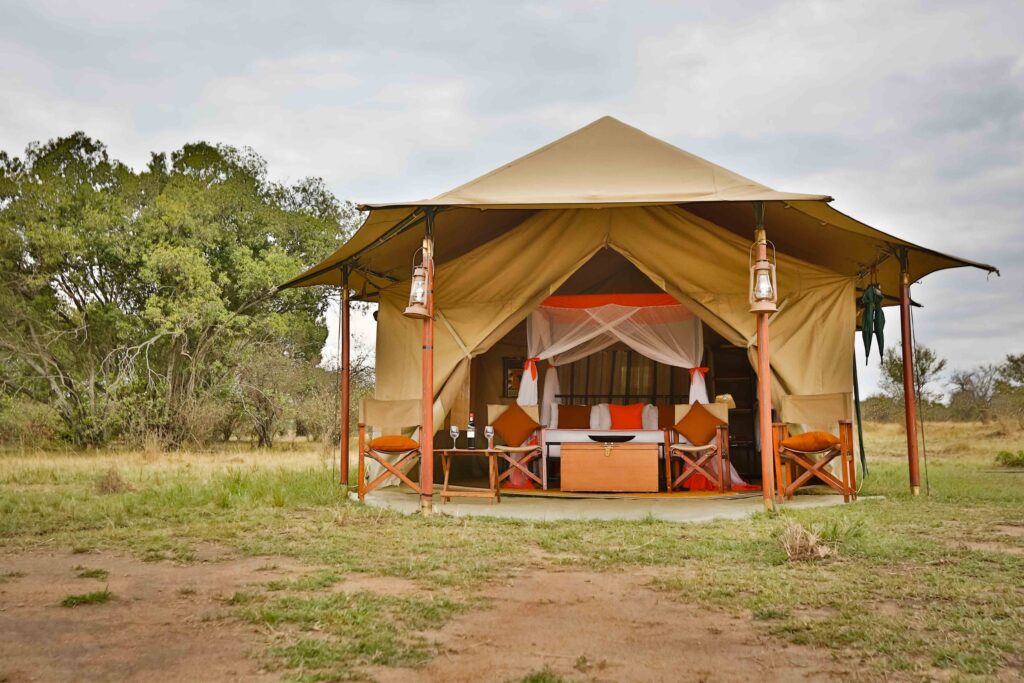 SerengetiMid-range
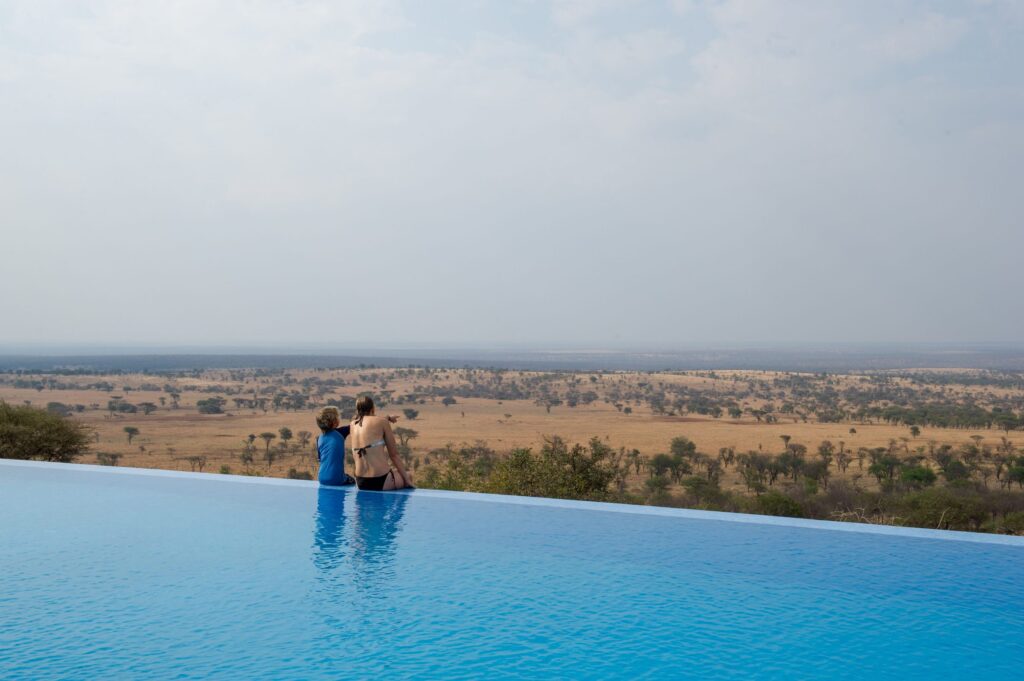 SerengetiLuxurySerengetiMid-range
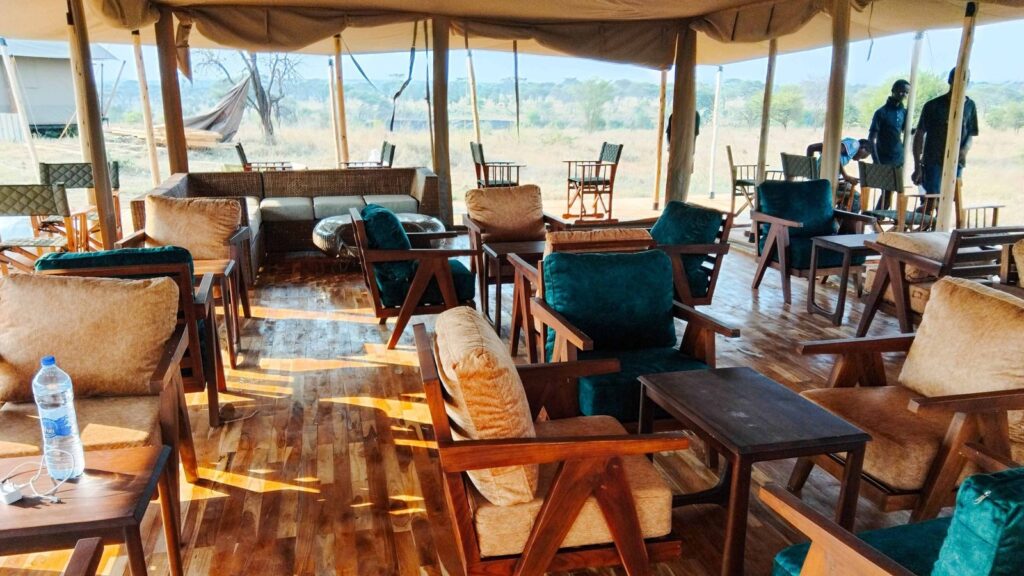 SerengetiLuxury
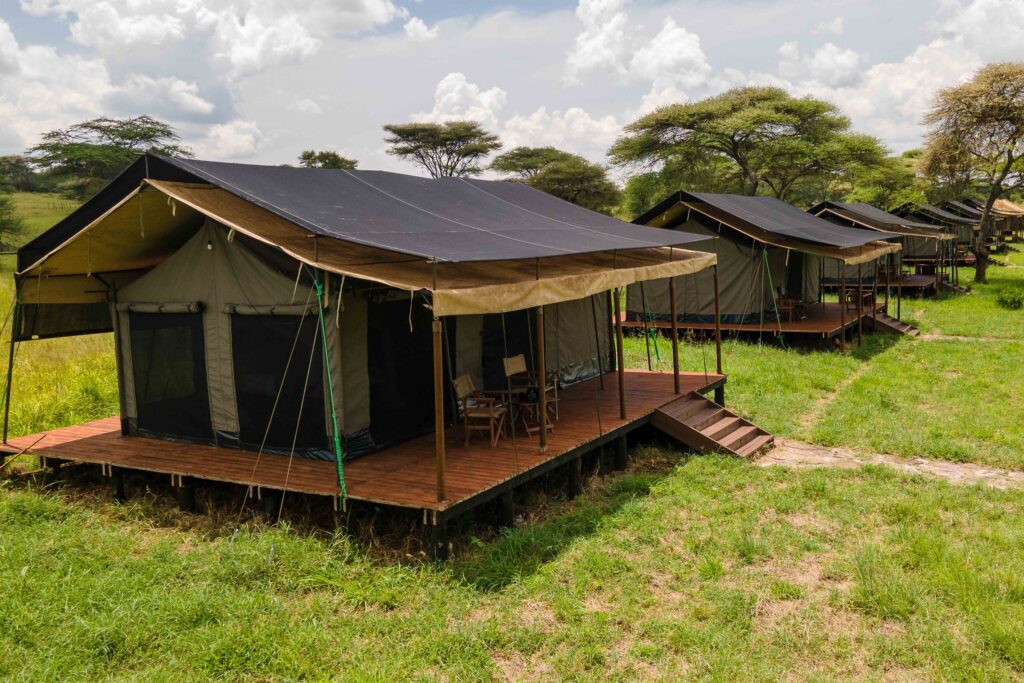 SerengetiMid-range
 SerengetiLuxury
 SerengetiLuxury
Things to do
Experiences at Serengeti National Park
 All national parks
 Serengeti and TarangireNorthern Serengeti
 Ndutu and southern Serengeti
Safaris
Our safaris that visit Serengeti National Park
 2-Day Tanzania Group Joining & Camping Safari2 daysFrom $450 per person
 2-Day Tarangire & Ngorongoro Safari2 daysFrom $900 per person
 3-Day Tanzania Group Joining & Camping Safari3 daysFrom $560 per person
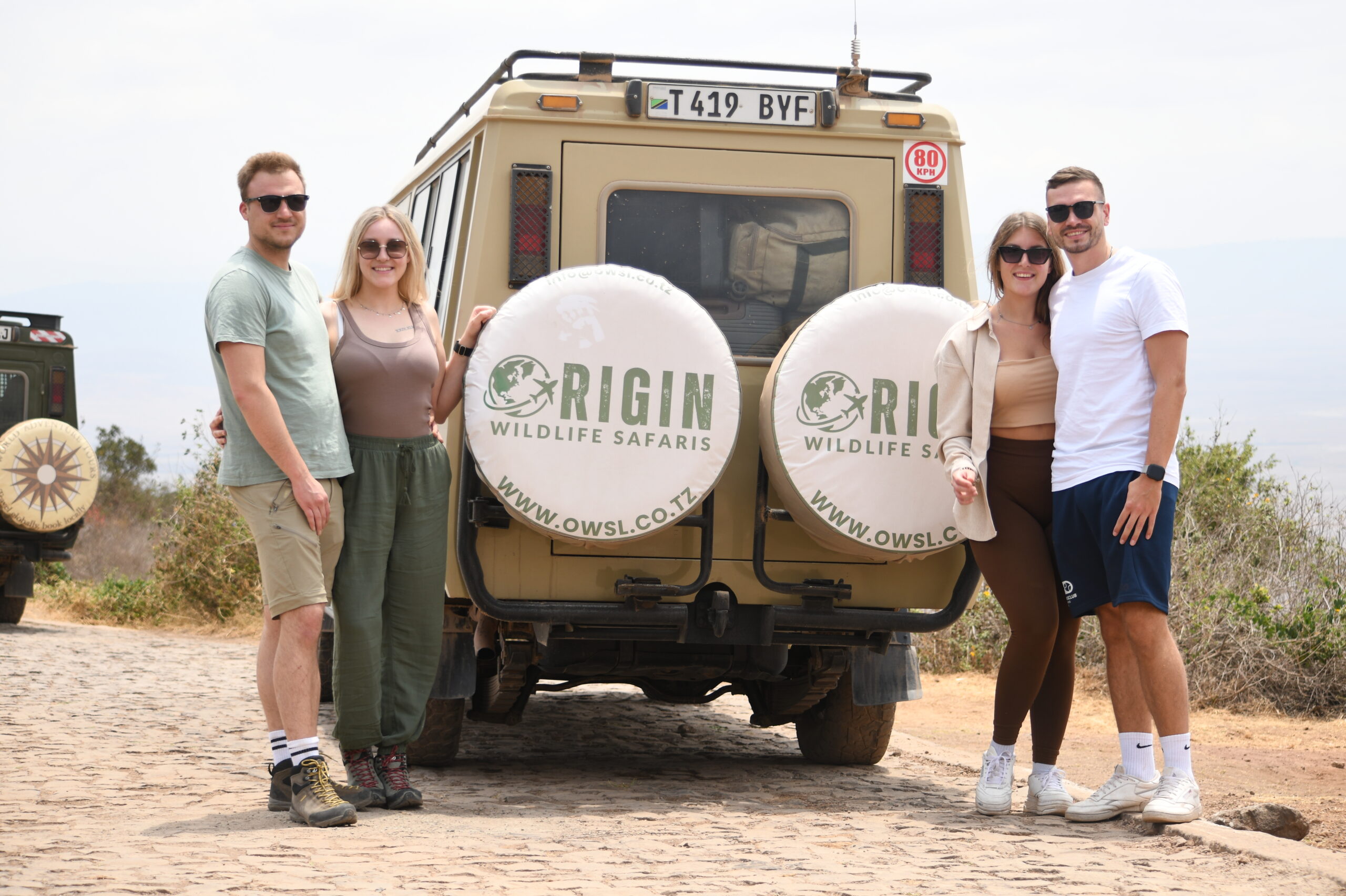 3-Day Private Mid-Range Safari Adventure3 daysFrom $1,020 per person
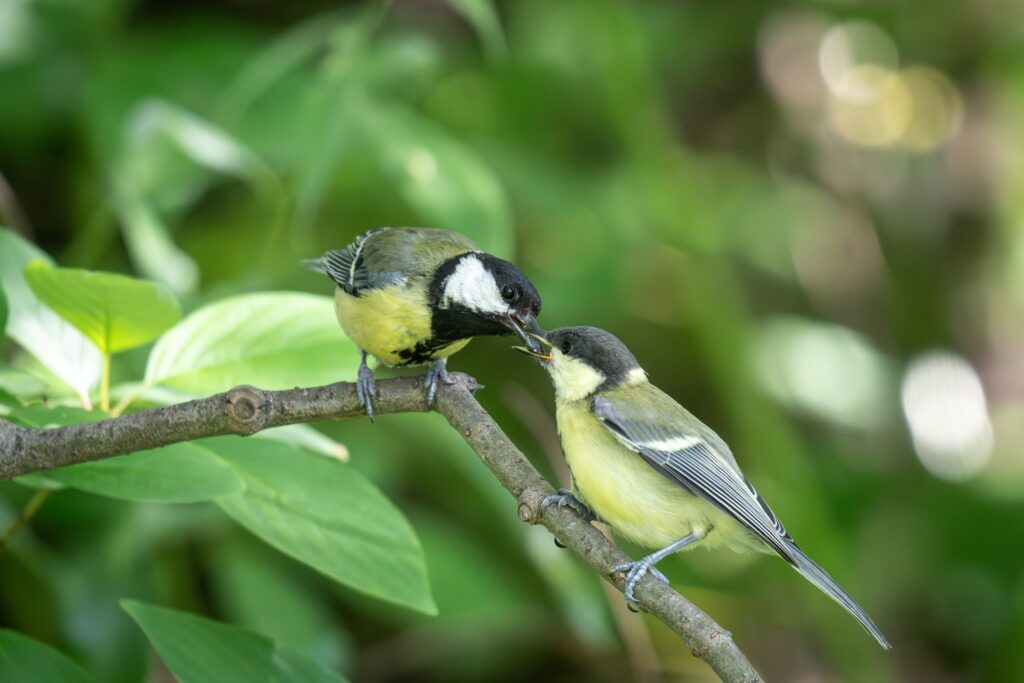 3-Day Affordable Private Camping Safari3 daysFrom $1,110 per person
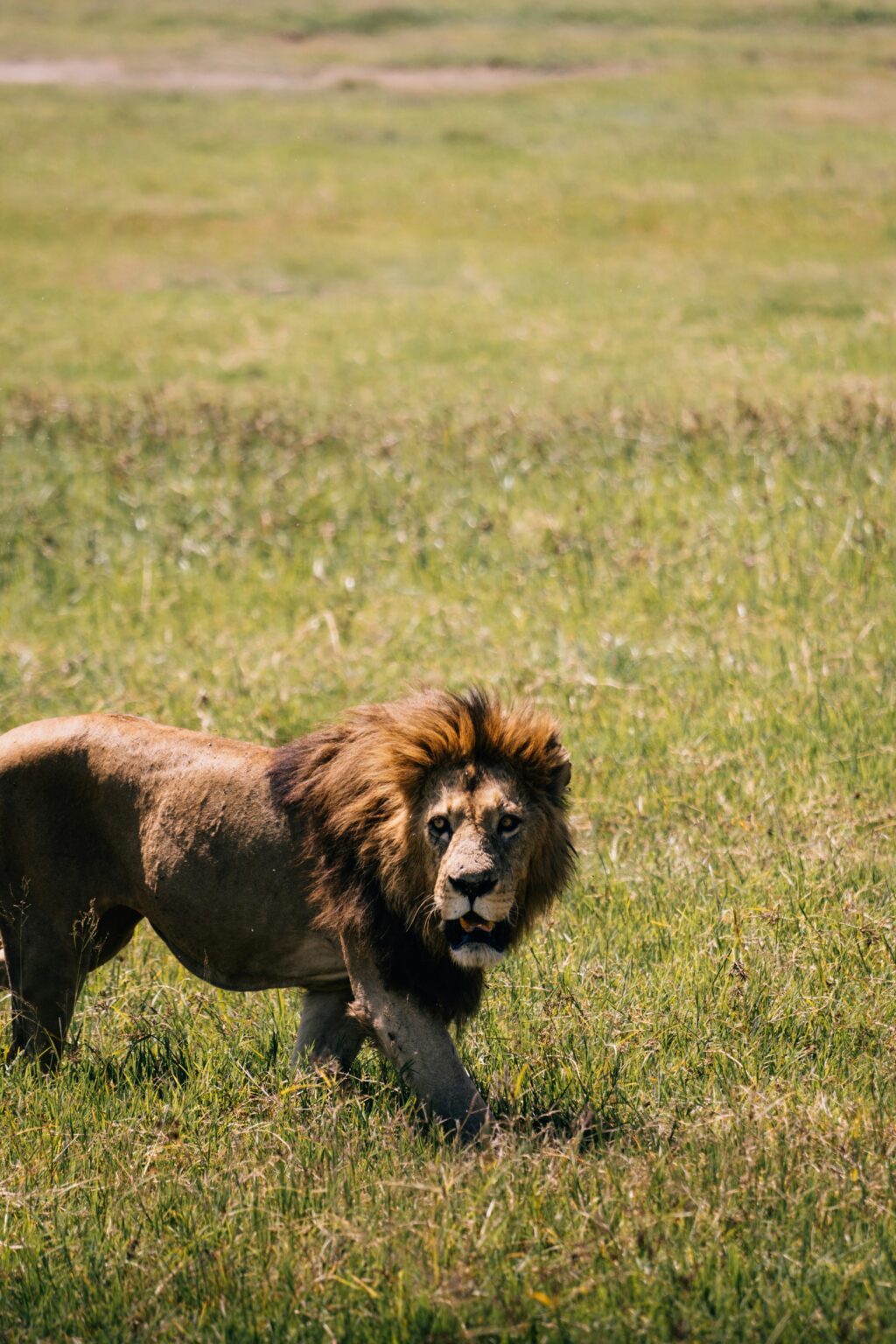 3-Day Serengeti and Ngorongoro Safari Experience3 daysFrom $1,500 per person
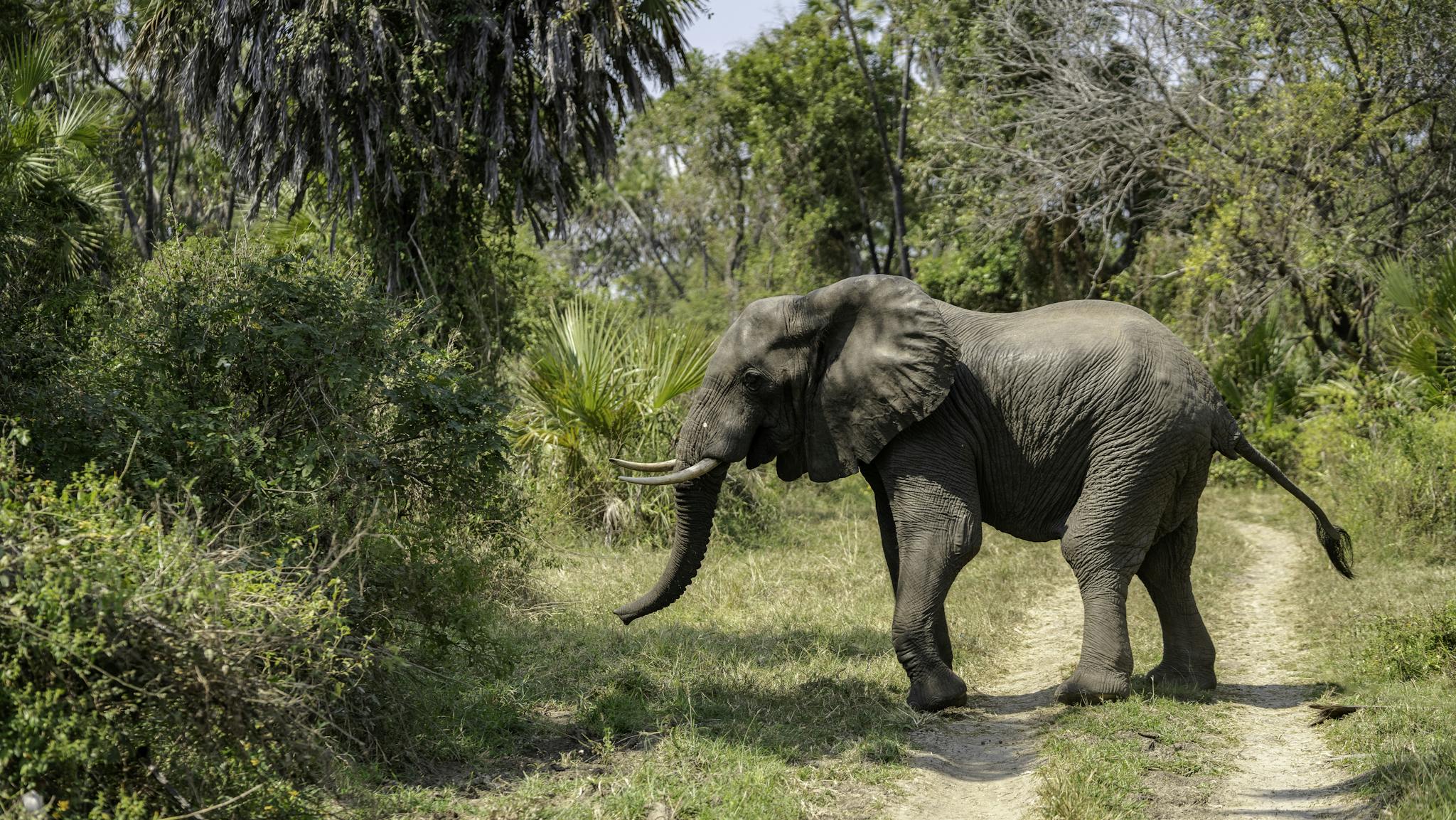 3-Day Safari with Hot Air Balloon Experience3 daysFrom $2,010 per person
 3-Day Fly-in Luxury Safari from Zanzibar to Serengeti3 daysFrom $2,280 per person
Questions
Serengeti National Park: frequently asked questions
How many days do I need in the Serengeti?
We recommend at least two full days, so three nights. The park is large and the drive in takes most of a day, so shorter stays mean more time in the car than with the animals.
When is the best time to visit the Serengeti?
June to October is dry, with good visibility and river crossings in the north from July. January to March is calving season in the south. The long rains in April and May bring fewer visitors and lower prices.
Can I see the Big Five in the Serengeti?
Lion, leopard, elephant and buffalo are common. Rhino are rare in the Serengeti, so we usually combine it with the Ngorongoro Crater, where black rhino are seen more often.
How much is the Serengeti entrance fee?
For 2026, non-resident adults pay US$82.60 per person per 24 hours, including VAT. Children pay less, and vehicle and camping or concession fees are extra. All park fees are included in our safari prices.
How much does a Serengeti safari cost?
Most travellers spend US$200 to US$300 per person per day on a budget camping safari, US$350 to US$600 on a mid-range lodge safari and US$600 to US$1,200 or more on a luxury safari, with park fees included.
What is the difference between the Serengeti and the Masai Mara?
They are one ecosystem split by the Tanzania–Kenya border. The Serengeti is about ten times larger than the Masai Mara, so it feels wilder and less crowded, and it hosts the migration for most of the year. The Mara has the herds from roughly August to October.
Where is Serengeti National Park?
In northern Tanzania, about 320 km north-west of Arusha, between Lake Victoria to the west, the Ngorongoro Conservation Area to the south-east and Kenya’s Masai Mara to the north.
Is it better to drive or fly to the Serengeti?
Driving is cheaper and lets you see Tarangire, Lake Manyara and the Ngorongoro Crater on the way. Flying saves a day of travel and suits short trips or a safari combined with Zanzibar. Many guests drive in and fly out.
Explore nearby
More of Northern circuit
 Northern circuit
 Northern circuit
 Northern circuit
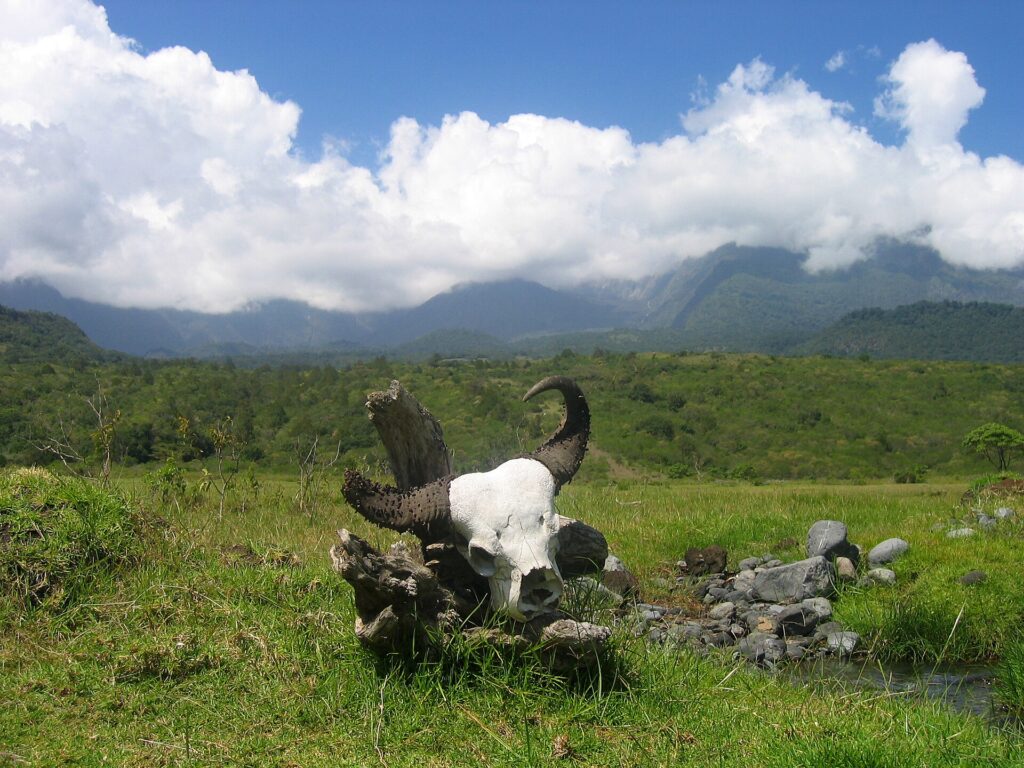 Northern circuit
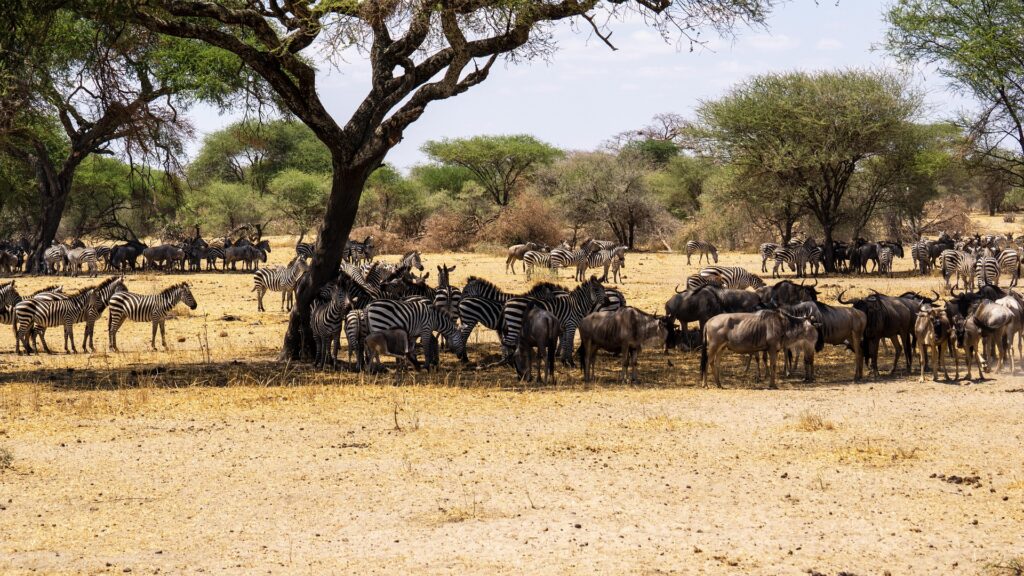 Northern circuit
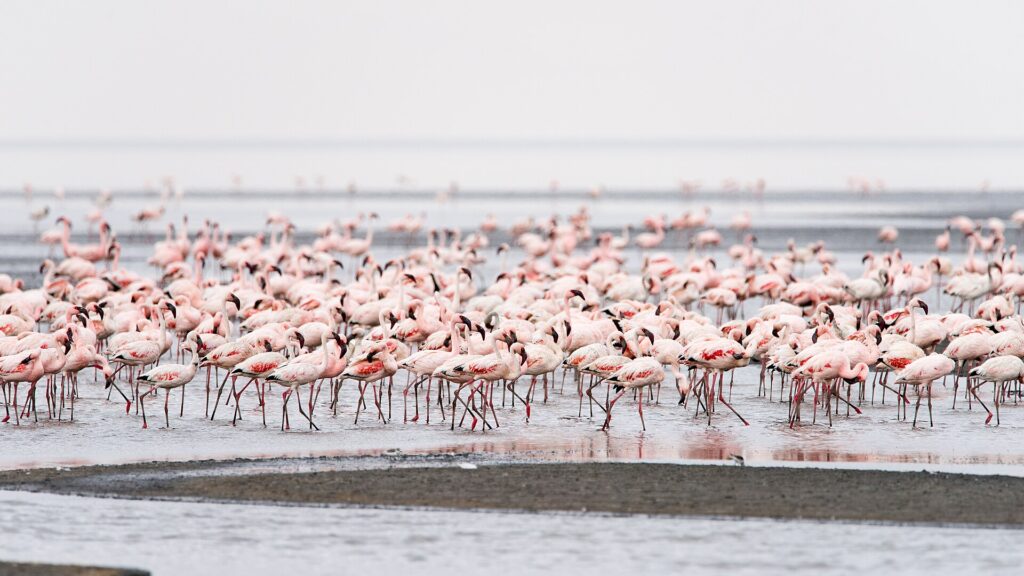 Northern circuit
Plan your trip to Serengeti National Park
Tell us your dates and who is travelling. We reply within 24 hours with a day-by-day plan and a full price.
