
National parks of Tanzania
Tarangire National Park
Elephants, baobabs and a quieter safari.
Tarangire National Park is a 2,850 km² park in northern Tanzania, about two hours from Arusha, famous for some of the largest elephant herds in East Africa, ancient baobab trees and the Tarangire River, which draws huge numbers of animals in the dry season. It is the easiest park to add to any northern circuit safari, and much quieter than the Serengeti.
Why visit Tarangire
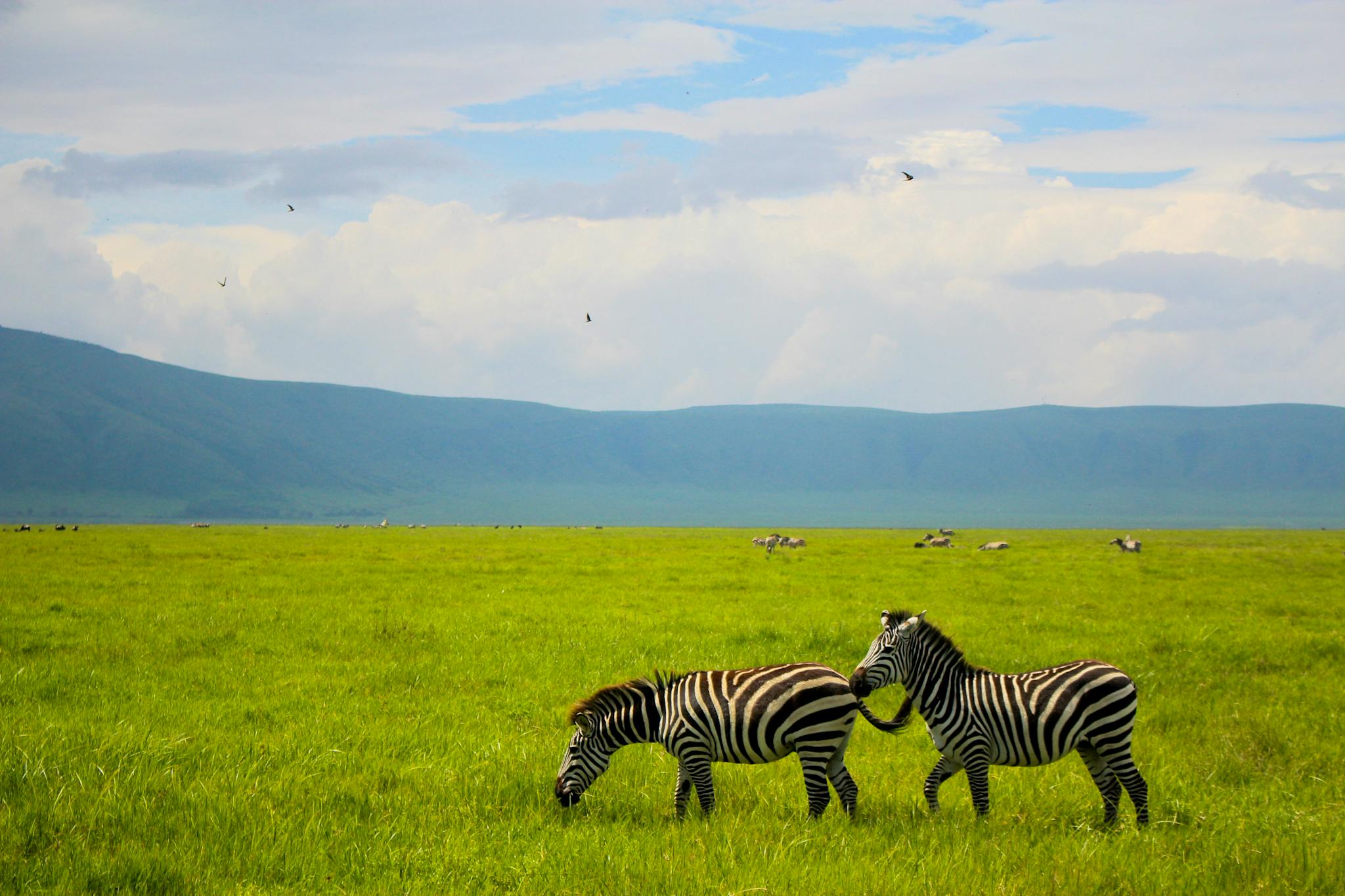
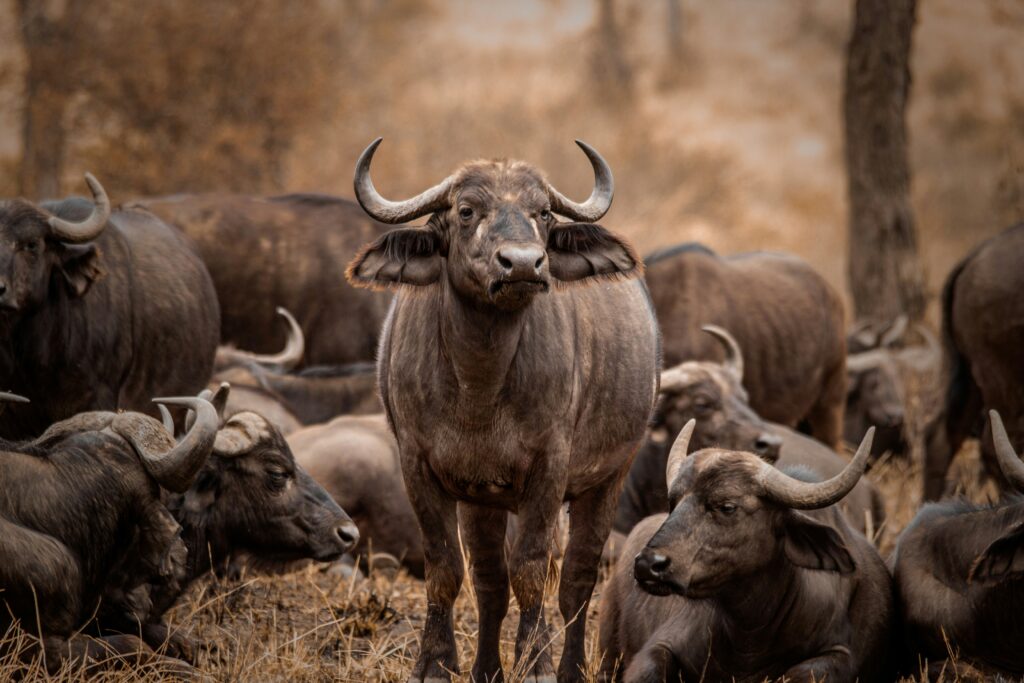
In the dry season the Tarangire River is the only permanent water for miles around, and wildlife pours in: herds of hundreds of elephants, buffalo, zebra, wildebeest, giraffe and the lions that follow them. Giant baobab trees, some over a thousand years old, give the park a look all its own.
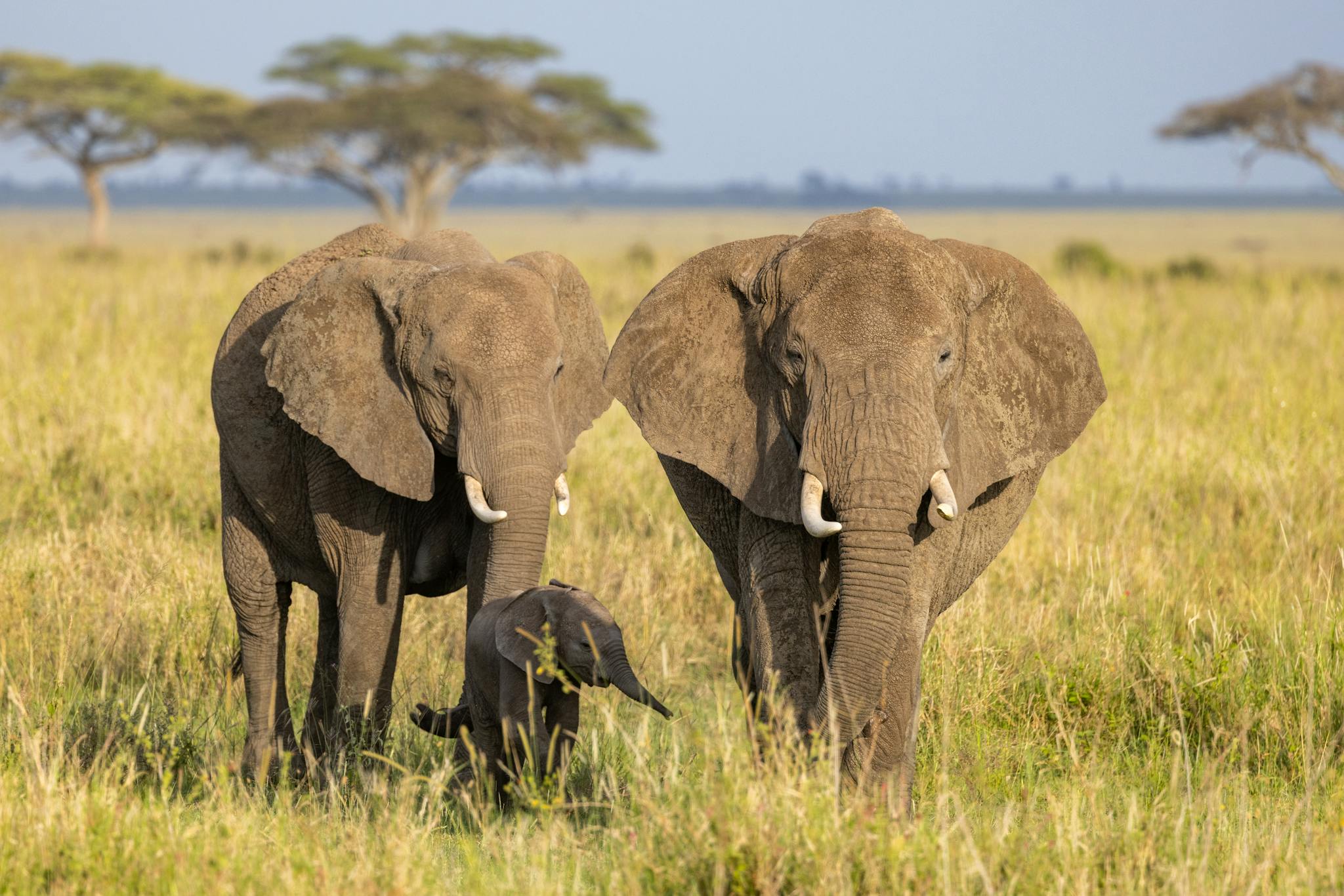
Tarangire elephants
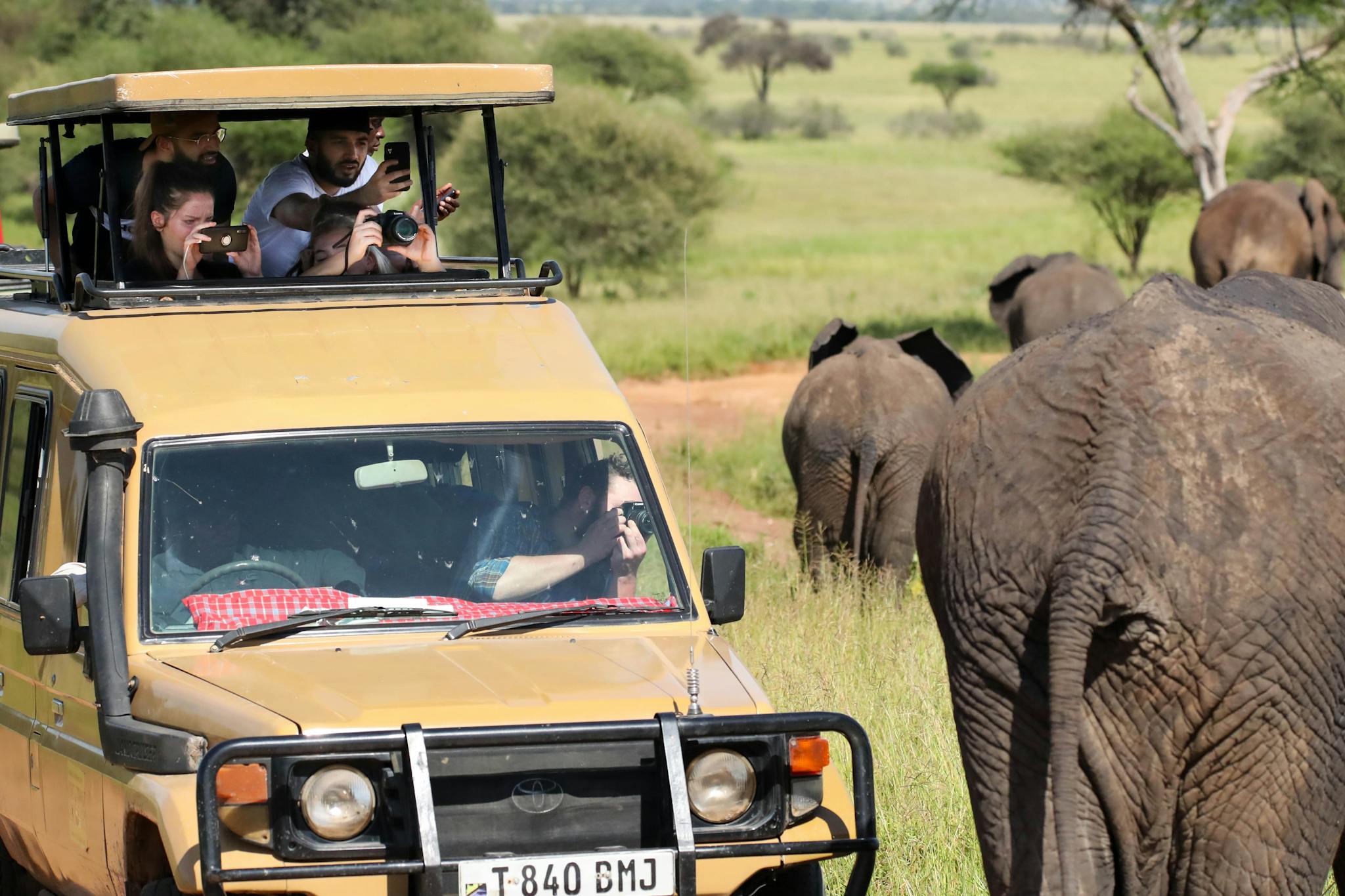
Tarangire has one of the highest elephant densities in Tanzania. From June to October, herds of a hundred or more gather along the river and the Silale swamp, and many guests see more elephants here in one afternoon than anywhere else on their trip, often with baobabs behind them.
Wildlife and birds
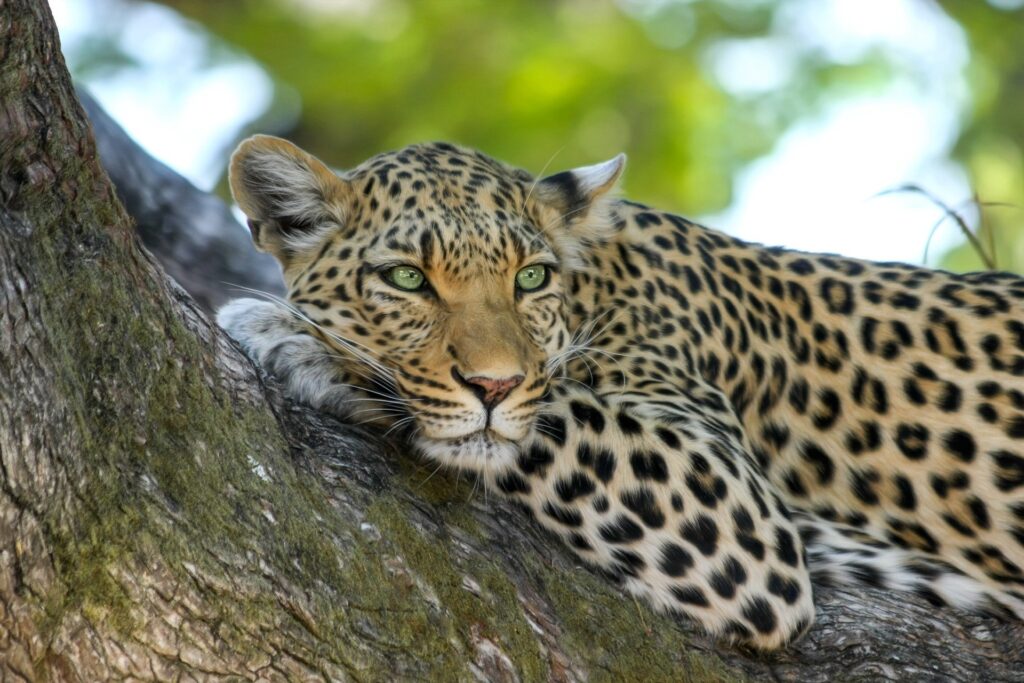
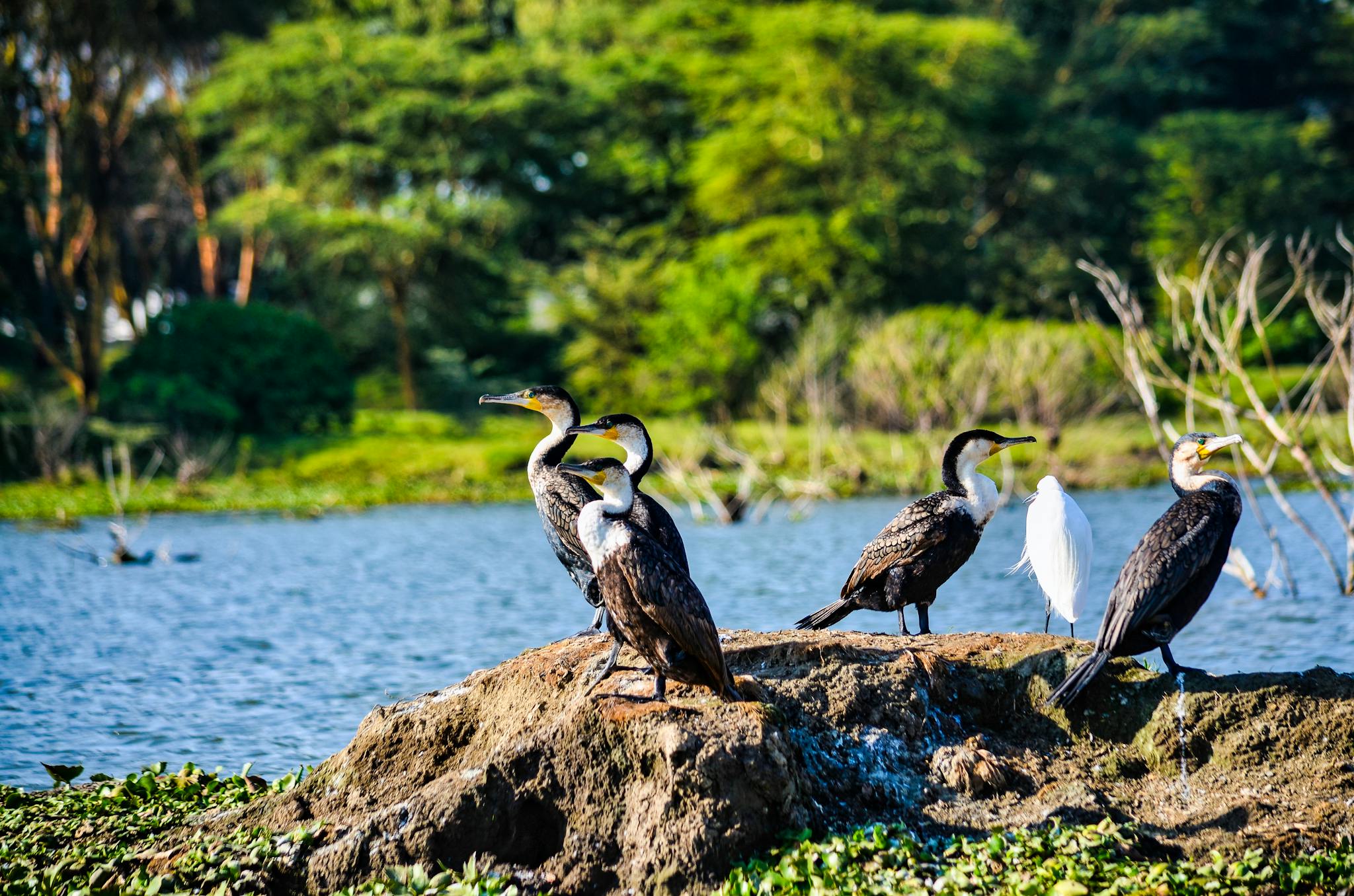
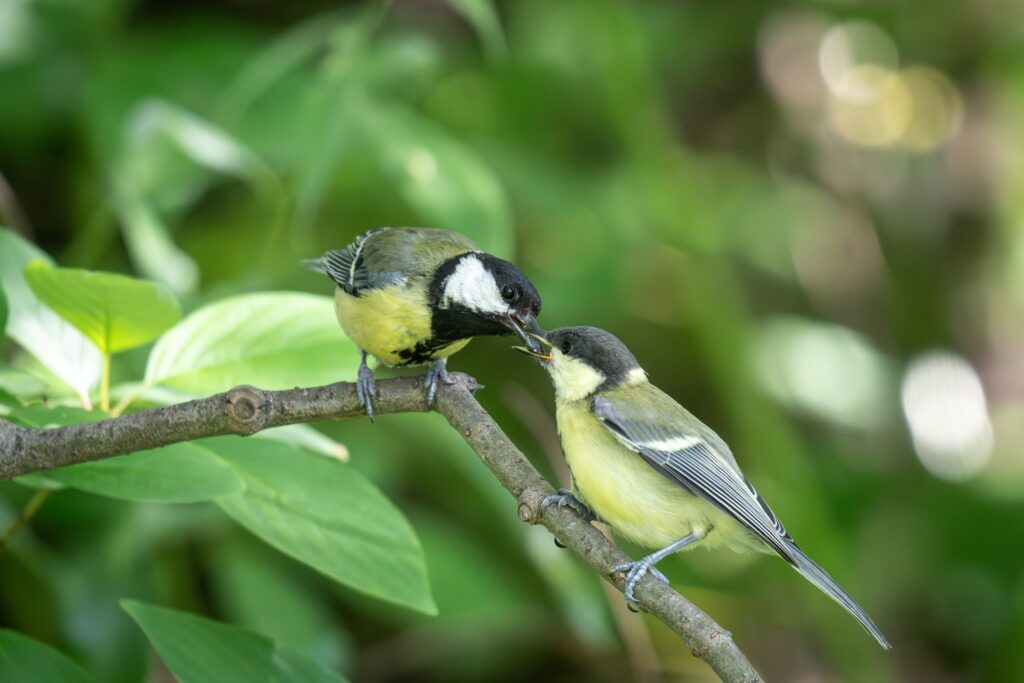
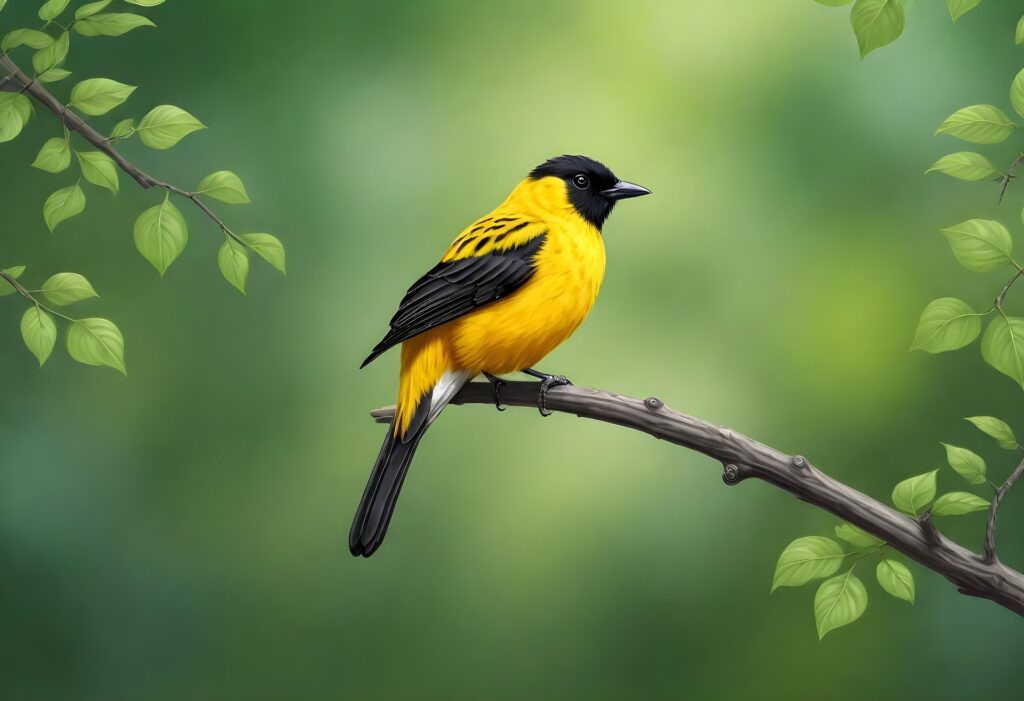
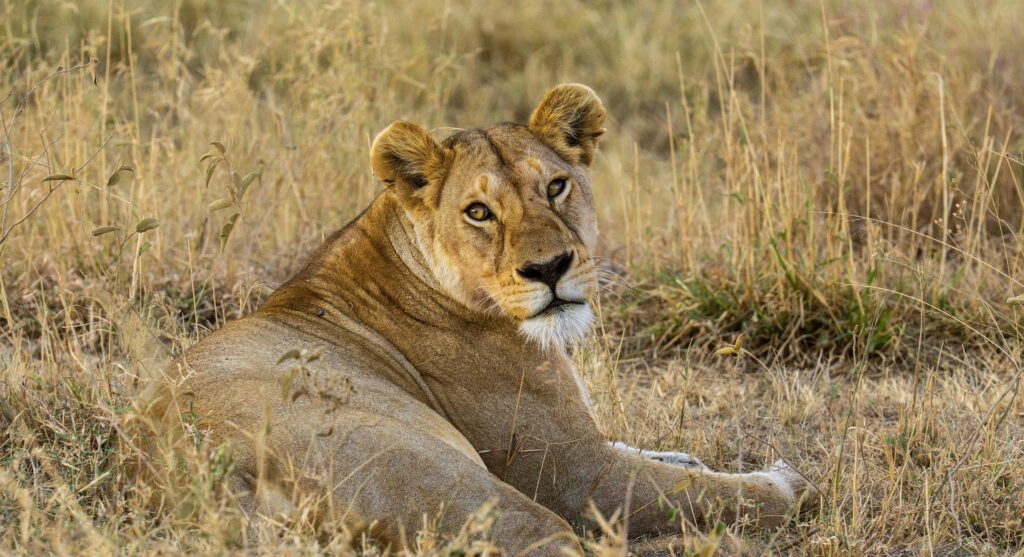
Beyond elephants, look for lions resting in trees, leopards along the river, cheetah on the open plains, fringe-eared oryx, gerenuk and more than 550 bird species, including the yellow-collared lovebird found only in this part of Tanzania.
Landscapes of Tarangire
The park mixes open grassland, acacia woodland, seasonal swamps such as Silale and the Tarangire River valley. Giant baobabs and towering termite mounds give it a look unlike any other park on the northern circuit.
Things to do in Tarangire
- Game drives along the river and the Silale swamp, best early and late in the day.
- Walking safaris with an armed ranger, from camps that offer them.
- Bird watching, with more than 550 species and the endemic yellow-collared lovebird.
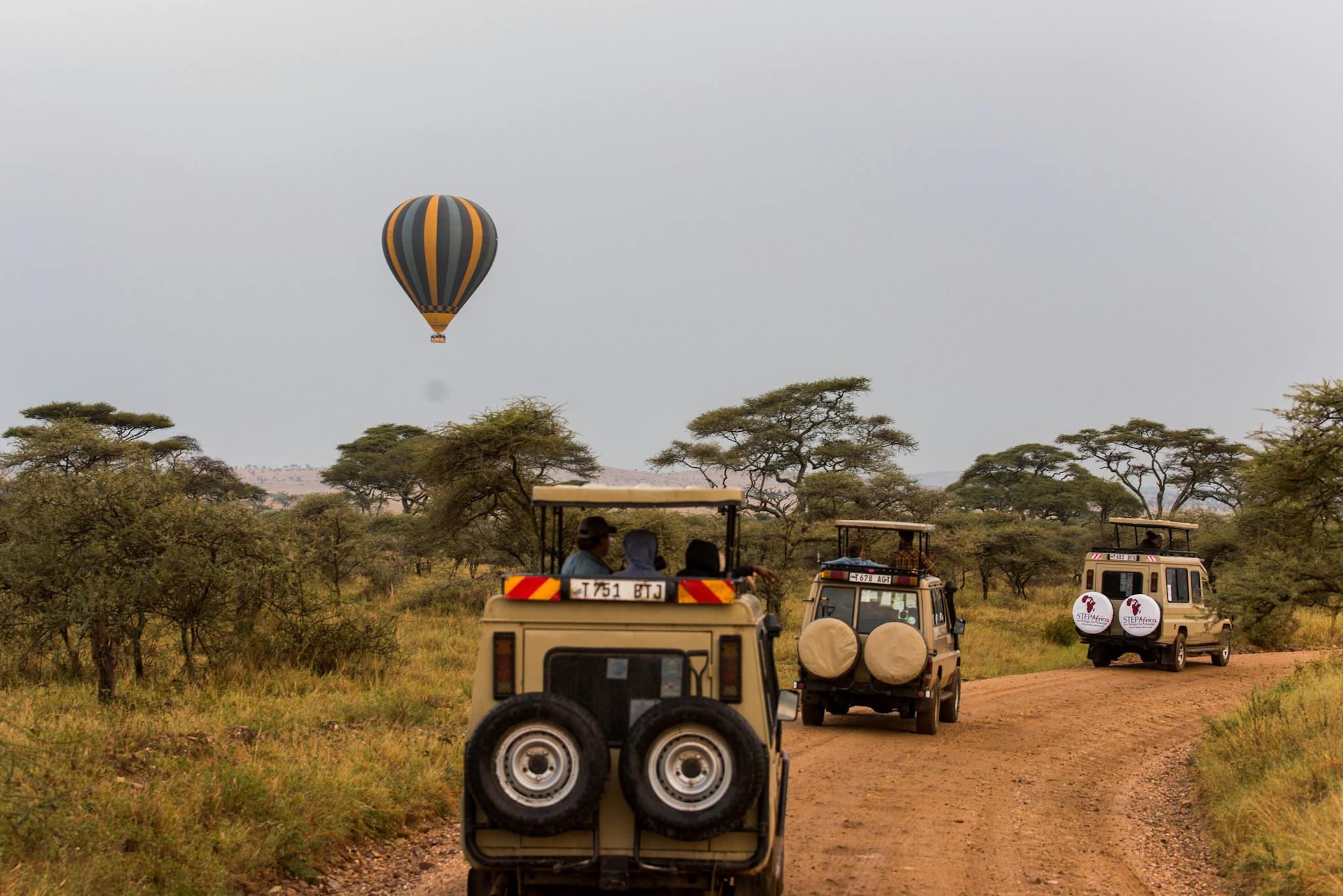
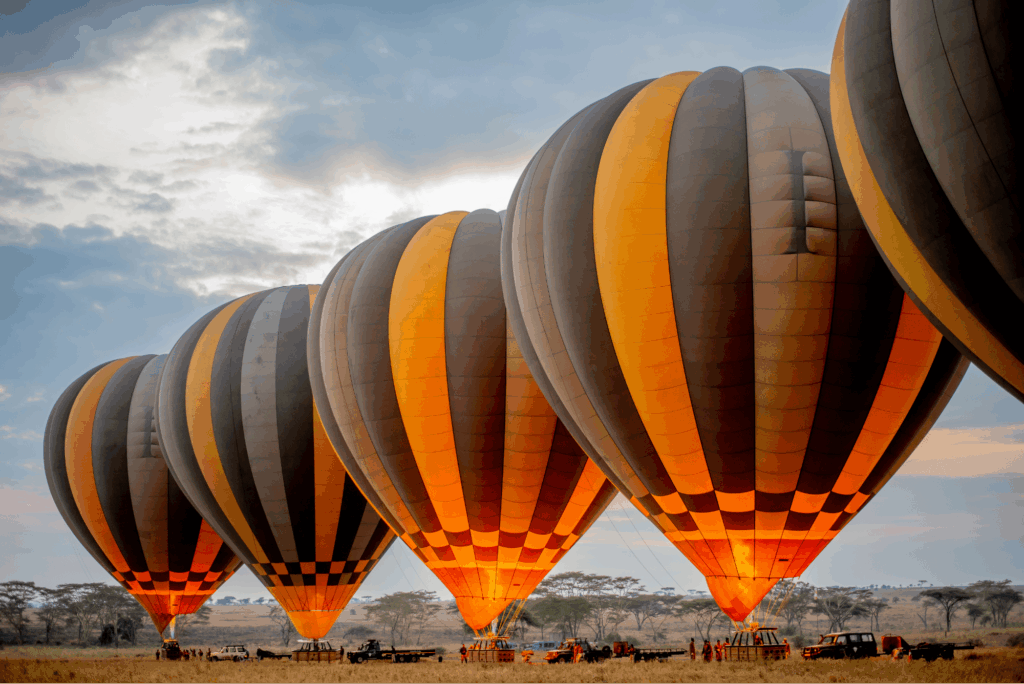
- Hot-air balloon flights over the park in the dry season.
- Cultural visits to nearby Maasai and Datoga communities.
Best time to visit Tarangire
Tarangire is at its best in the dry season, when wildlife crowds the river.
| Months | Season | What to expect |
|---|---|---|
| June to October | Dry season, peak | Elephants and other animals gather at the Tarangire River; the best game viewing |
| November and December | Short rains, shoulder | Wildlife starts to spread out, birdlife peaks, green scenery |
| January to March | Green season | Lush landscapes, newborn animals, good birding, fewer visitors |
| April and May | Long rains, low | Quietest months and lowest rates; some tracks are muddy |
How to get to Tarangire
Tarangire’s main gate is about 120 km south-west of Arusha, roughly two hours on a paved road. It is the natural first or last stop on a northern circuit safari with Lake Manyara, the Ngorongoro Crater and the Serengeti, and an easy day trip from Arusha. Kuro airstrip inside the park takes light aircraft.
Tarangire entrance fees and safari cost (2026)
Tarangire National Park fees are about US$59 per non-resident adult per 24 hours in high season, including VAT, with lower rates in the low season and for children. A day trip or the 2-day Tarangire and Ngorongoro safari is a popular short safari, and every price we quote includes park fees, vehicle, guide and meals. Fees are set by Tanzania National Parks and can change, so every quote shows the current rate.
Where to stay in Tarangire
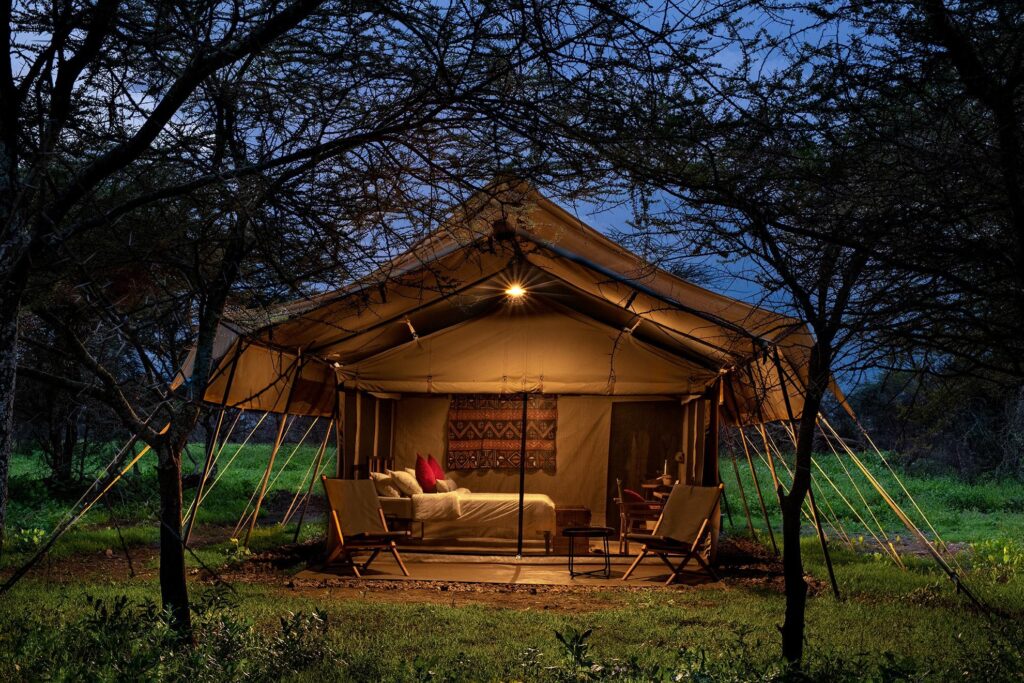
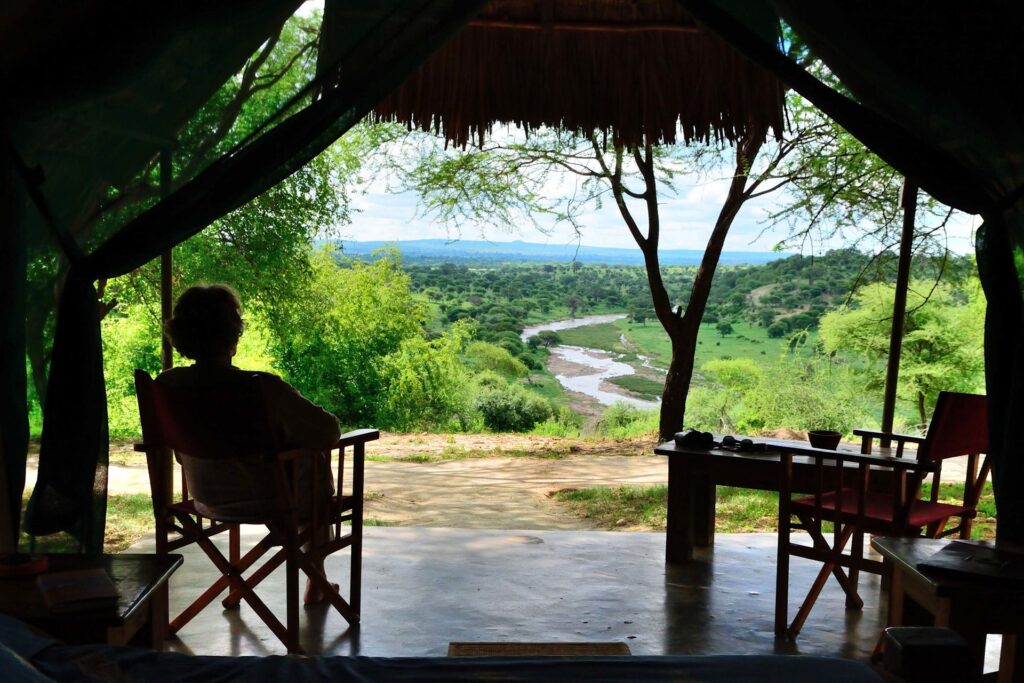
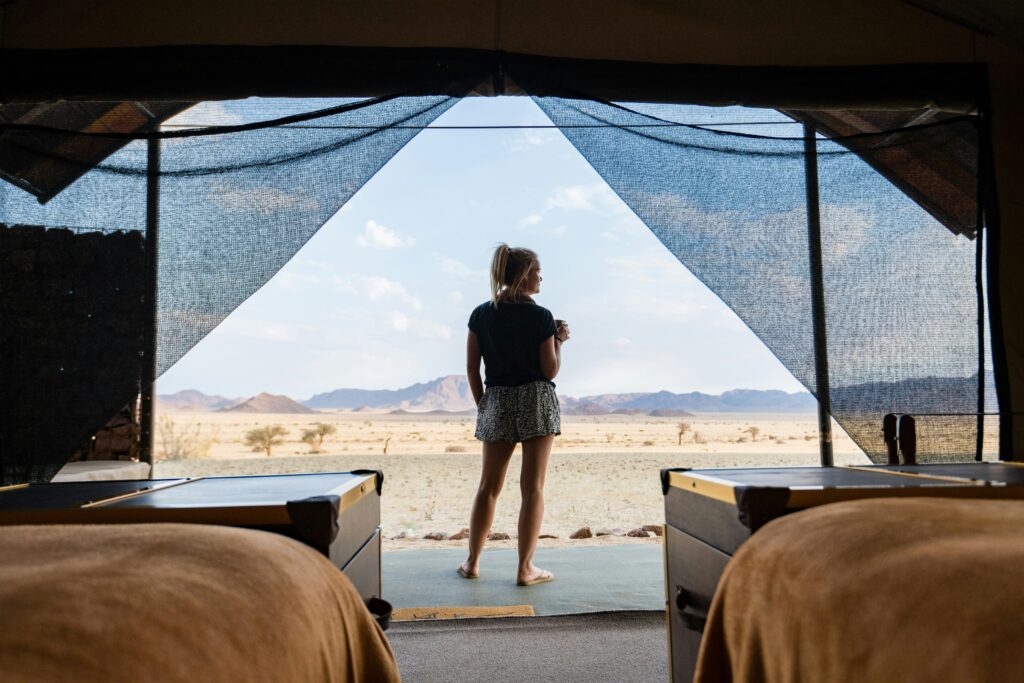
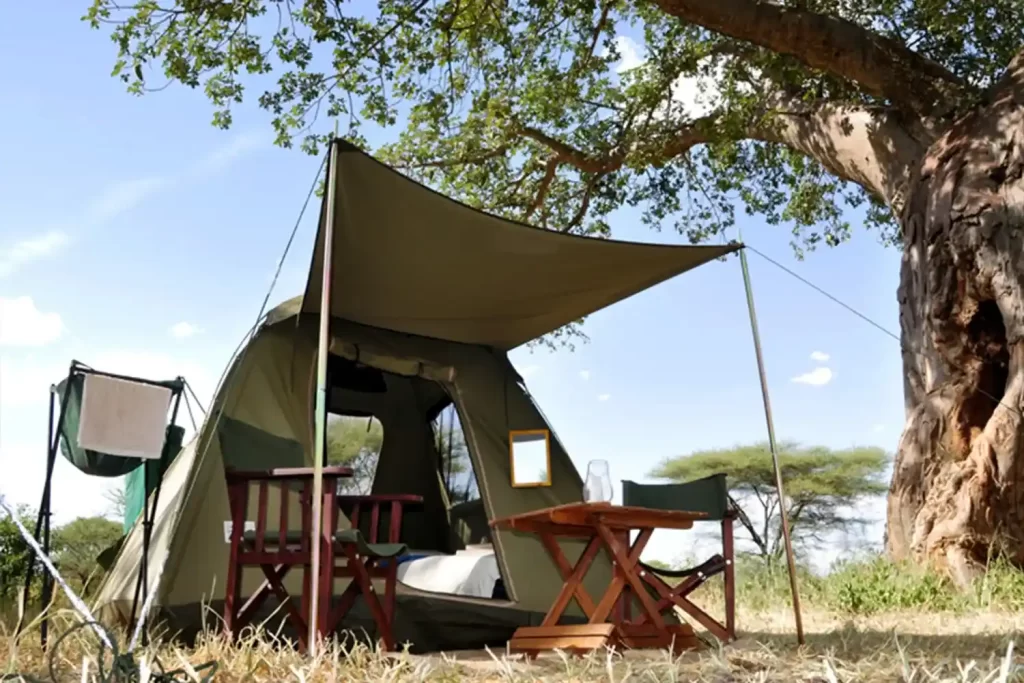
Choose from lodges on the river bluff inside the park, like Tarangire Safari Lodge, tented camps in the wildlife areas on the park edge, like Lolkisale Camp, or better-value lodges near Mto wa Mbu and Lake Manyara. See all lodges and camps.
A great first stop
Tarangire is only about two hours from Arusha, so it is a natural first park on a northern circuit safari and works well for a one- or two-day trip. It is also quieter than the Serengeti and the crater, which many travellers love.
Highlights of Tarangire National Park
- Elephant herds along the Tarangire River
- Ancient baobab trees
- Tree-climbing lions and leopards
- Over 550 bird species
- Fewer vehicles than the big-name parks
Where to stay
Accommodation in and near Tarangire National Park
Things to do
Experiences at Tarangire National Park
Safaris
Our safaris that visit Tarangire National Park
 2-Day Tanzania Group Joining & Camping Safari2 daysFrom $450 per person
 2-Day Tarangire & Ngorongoro Safari2 daysFrom $900 per person
 2-Day Ngorongoro Crater Experience in Melia Collection2 daysFrom $1,500 per person
 3-Day Tanzania Group Joining & Camping Safari3 daysFrom $560 per person
 3-Day Private Mid-Range Safari Adventure3 daysFrom $1,020 per person
 3-Day Affordable Private Camping Safari3 daysFrom $1,110 per person
 4-Day Tanzania Group Joining & Camping Safari4 daysFrom $815 per person
 4-Day Northern Circuit Safari Adventure4 daysFrom $1,850 per person
Questions
Tarangire National Park: frequently asked questions
How far is Tarangire from Arusha?
About 120 km, roughly two hours by road, which makes it an easy first or last park on a safari.
When is the best time to visit Tarangire?
June to October. In the dry months elephants and other animals gather along the river in large numbers.
Can I do a day trip to Tarangire?
Yes. We run day trips from Arusha, though staying a night nearby gives you sunset and early-morning game drives.
How much is the Tarangire National Park entrance fee?
For 2026, non-resident adults pay about US$59 per person per 24 hours in high season, including VAT, and a little less in the low season. Our Tarangire safaris include all park fees.
Why is Tarangire famous?
For its elephants and baobabs. In the dry season Tarangire has some of the biggest elephant gatherings in East Africa, framed by giant baobab trees that few other northern parks have.
Is Tarangire worth visiting?
Yes, especially from June to October. It is close to Arusha, less crowded than the Serengeti and has excellent elephant, lion and bird sightings, so it makes a strong first park or a quick one-day safari.
How many days do you need in Tarangire?
One full day covers the main river circuit. Two days, with a night in or next to the park, gives you sunrise and sunset drives and time for a walking safari.
Explore nearby
More of Northern circuit
 Northern circuit
 Northern circuit
 Northern circuit
 Northern circuit
 Northern circuit
 Northern circuit
Plan your trip to Tarangire National Park
Tell us your dates and who is travelling. We reply within 24 hours with a day-by-day plan and a full price.
