
Tarangire National Park Safari Guide: Tanzania’s Land of Giants
Average Safari Cost: $200 to $1,000+ per person / day
Best Time to Visit: June to October (Dry Season)
High Season: July to September
Overview: Tanzania’s Elephant Paradise
Discover Tarangire National Park – Tanzania’s Elephant Paradise
Often referred to as the “Land of Giants,” Tarangire National Park is famous for its massive elephant herds, towering baobab trees, and dramatic seasonal wildlife concentrations. Covering 2,850 square kilometers (1,100 square miles), it is the sixth-largest national park in Tanzania and an essential stop on the famous Northern Safari Circuit alongside the Serengeti National Park and Ngorongoro Conservation Area.
The park owes its life to the Tarangire River, which serves as the primary permanent source of fresh water in the region during the dry season. When surrounding water sources dry up, thousands of migratory animals move into Tarangire, creating one of the highest wildlife densities in East Africa outside of the Serengeti.
During the dry months, thousands of animals gather along the river, creating extraordinary wildlife viewing opportunities. Visitors can often see large concentrations of elephants, buffalo, zebras, wildebeest, giraffes, and predators such as lions and leopards.
Tarangire is also considered one of the best birding destinations in East Africa, with more than 550 recorded bird species.
Tarangire Fast Facts
- Established: 1970
- Coordinates / Region: Manyara Region, Northern Tanzania
- Distance from Arusha: 118 km (approx. 2.5 to 3 hours drive)
- Key Wildlife: African Elephant, Lion, Leopard, African Buffalo, Cheetah, Giraffe, Zebra, Wildebeest
- Bird Species: Over 550 recorded species (one of the highest bird counts in Tanzania)
Wildlife of Tarangire National Park
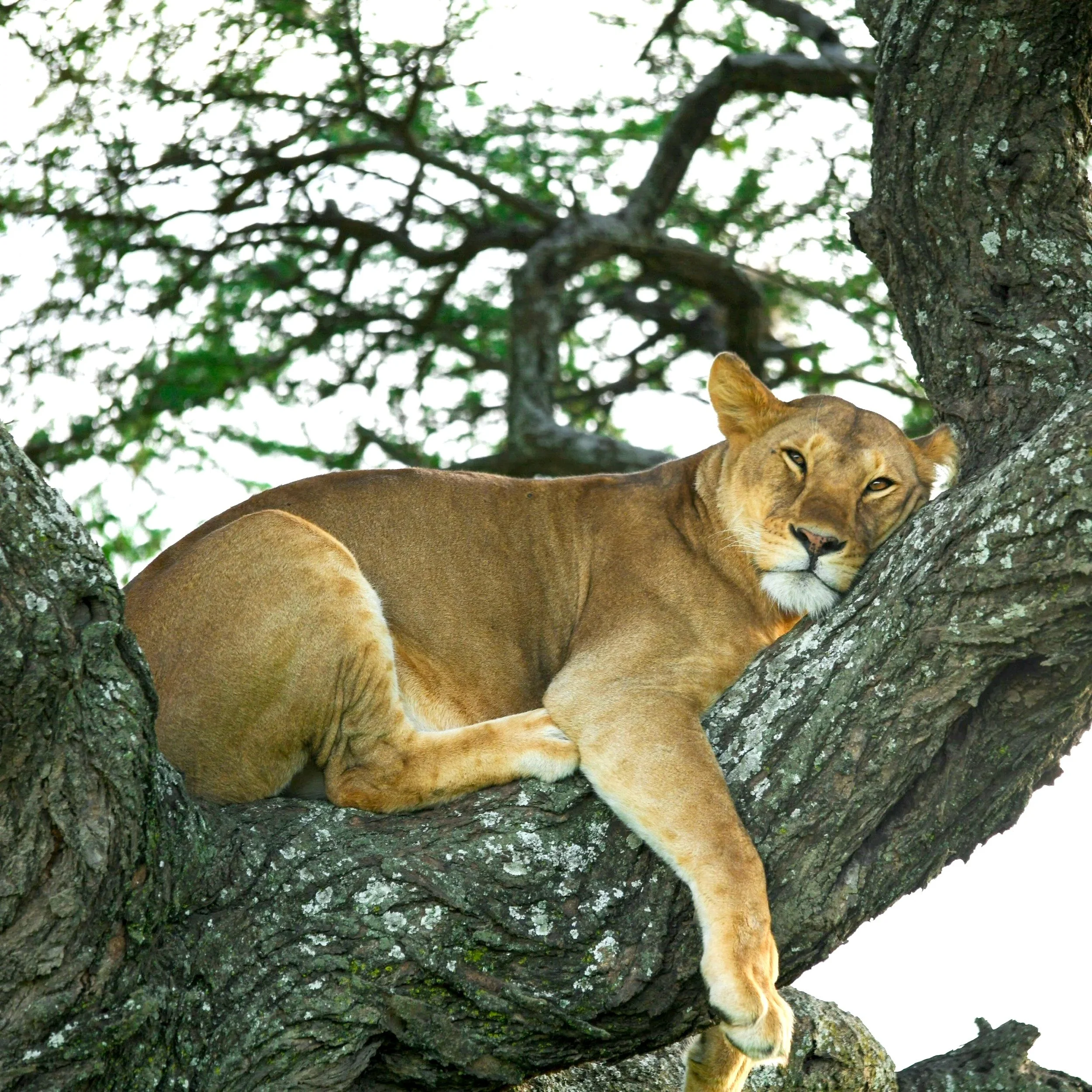
While black rhinos are absent, Tarangire National Park hosts an impressive diversity of wildlife and offers excellent chances of spotting four of the Big Five:
- Elephants
- Lions
- Leopards
- Buffalo
Other animals frequently seen include:
- Zebras
- Wildebeest
- Giraffes
- Elands
- Impalas
- Hartebeests
- Gazelles
- Warthogs
The park is particularly famous for large elephant herds that can reach more than 300 individuals, making it one of the best places in Africa to observe elephant behavior.
Unique Landscapes of Tarangire

Dotted across the park are thousands of giant Baobab Trees (Adansonia digitata), some aged over 1,000 years. The park’s diverse ecosystems range from acacia woodlands and savannah plains—often dubbed the “Small Serengeti”—to seasonal swamps and riverine rainforests.
Highlights include:
- Giant baobab trees, some over 1,000 years old
- Vast savannah plains often called the “Small Serengeti”
- Rolling hills and scenic valleys
- Ancient termite mounds scattered across the landscape
These varied habitats support a wide range of wildlife species and make Tarangire an excellent destination for photography.
Things to Do in Tarangire National Park
1. Classic 4×4 Game Drives

Explore the river valleys and open savannahs in custom 4×4 safari Land Cruisers. Early morning and late afternoon game drives offer prime conditions for viewing predator hunts and animal gatherings at waterholes.
2. Premier Bird Watching
With over 550 recorded bird species, Tarangire is a haven for birdwatching.
Common species include:
- Yellow-collared lovebirds
- Kori bustards
- Secretary birds
- Hornbills
- Ostriches
The park attracts both resident and migratory birds, making it ideal for bird lovers and photographers.
3. Maasai & Datoga Cultural Visits
Maasai people and Datoga people communities live in villages surrounding Tarangire National Park.
Visitors can enjoy cultural experiences such as:
- Visiting traditional Maasai villages
- Learning about pastoralist lifestyles
- Meeting local artisans and jewelry makers
- Exploring village markets
These visits provide a meaningful cultural perspective alongside wildlife safaris.
4. Walking Safaris
Guided walking safaris allow visitors to explore the African wilderness on foot. Accompanied by experienced guides and armed rangers, guests can discover animal tracks, plants, and smaller wildlife often missed during vehicle safaris.
Walking safaris provide a deeper connection with the environment and an unforgettable safari adventure.
5. Hot Air Balloon Safari

A hot air balloon safari offers a breathtaking aerial view at dawn for 1 hour floating over the Tarangire’s landscapes and wildlife. Floating silently above the park at sunrise provides incredible photographic opportunities.
After landing, guests celebrate the experience with a champagne breakfast in the bush.
Best Time to Visit Tarangire National Park

The best time to visit Tarangire National Park is during the dry season from June to October.
| Season | Months | Weather & Wildlife Highlights | Travel Experience |
| Dry Season (Peak) | June – October | Animals crowd around the Tarangire River. Vegetation is thin, providing optimal game viewing. | Prime Game Viewing & Highest Demand |
| Short Rains | November – December | Brief afternoon showers, migratory birds arrive, emerald green scenery. | Great for Photography & Low Crowds |
| Green / Wet Season | January – May | Lush landscapes, newborn animals, maximum birdwatching potential. Lower lodge rates. | Best for Budget & Birding |
How to Get to Tarangire National Park
By Road (Drive-in Safari)
- Travel Time: 2.5 to 3 hours from Arusha via a fully paved tarmac road to the main gate.
- Northern Circuit Integration: Easily combined with Lake Manyara (45 mins), Ngorongoro Crater (2 hours), and the Serengeti.
By Air (Fly-in Safari)
- Airstrips: Kuro Airstrip (located inside Tarangire) and Tarangire Airstrip.
- Flight Connections: Daily flights connect from Arusha Airport (ARK), Kilimanjaro International Airport (JRO), and Zanzibar (ZNZ).
Where to Stay in Tarangire: Lodges & Tented Camps

- Inside the Park (Safari Lodges & Permanent Camps): Offers immediate access to morning game drives and river views (e.g., Tarangire Safari Lodge, Kuro Tarangire).
- Outside the Park / Wildlife Concessions: Features luxury treehouses and private game reserves with night drives and bush walks (e.g., Tarangire Treetops, Maramboi Tented Lodge).
- Budget Camping: Public campsites available near the main gate for self-drive or budget group safaris.
Staying overnight allows visitors to enjoy early morning and late afternoon game drives, when wildlife activity is at its peak.
Plan Your Tarangire Safari
Tarangire National Park is a must-visit destination on any Tanzania safari. Its giant elephant herds, iconic baobab landscapes, rich birdlife, and excellent wildlife viewing make it one of the highlights of the Northern Safari Circuit.
Combine Tarangire with Serengeti and Ngorongoro for the ultimate Tanzania safari experience.
Tarangire Safari Frequently Asked Questions
Ready to Explore? Let’s Chat About Your Dream Trip.
We’ll turn your travel ideas into reality. Speak with our local safari specialists and receive a custom-made itinerary designed around your travel dates, interests, and budget.
