Best Time to Visit Serengeti National Park (Month-by-Month Guide)
Covering nearly 15,000 square kilometers (5,700 square miles) of sweeping savannah, riverine forests, and granite kopjes, Serengeti National Park is widely recognized as Africa’s flagship wildlife destination. Home to the world-famous Great Wildebeest Migration, dense big cat populations, and classic African landscapes, the Serengeti offers phenomenal safari experiences every month of the year.
However, choosing the best time to visit Serengeti National Park depends on what you want to witness: the dramatic Mara River crossings, newborn calves surrounded by predators, lush photography landscapes, or lower green-season rates.
This ultimate month-by-month safari guide breaks down wildlife concentrations, weather patterns, migration tracking, and expert tips to help you plan your perfect adventure with Origin Wildlife Safaris.
When is the Best Time to Go?
Serengeti Seasons Explained
1. The Dry Season (June to October) – Peak Wildlife Viewing
The dry season is the classic safari window. As surface water dries up, animals assemble around permanent water sources like the Seronera, Grumeti, and Mara Rivers.
- Pros: Minimal rainfall, lower mosquito activity, thin grass making animals easy to spot, and active river crossings.
- Cons: Higher park visitor numbers in popular hubs and peak season rates.
2. The Green / Calving Season (November to March) – Lush Scenery & Predators
Following short rains in November, the southern plains transform into nutrient-rich grazing grounds.
- Pros: Calving season spectacle, vibrant green landscapes, exceptional dust-free photography, and thousands of migratory bird species.
- Cons: Occasional afternoon rain showers and warmer temperatures.
3. The Long Rains (April to May) – Quiet Savannah & Best Value
April and May bring heavy afternoon rains, turning the savannah into a emerald wonderland.
- Pros: Lowest accommodation rates of the year, absolute privacy with few safari vehicles, and dramatic cloudy skies for photography.
- Cons: Dirt tracks can become muddy; requires experienced 4×4 drivers.
Month-by-Month Serengeti Safari Guide
January: The Migration Moves South
The Great Migration herds settle across the Southern Serengeti and Ndutu plains. Herds graze on short, nutrient-rich grasses as pregnant wildebeest prepare for calving.
- Wildlife Highlights: Large prides of lions, cheetahs, hyenas, and vast wildebeest herds.
- Weather: Warm, mostly dry with occasional afternoon showers.
- Rating: 9/10
February: Peak Calving Season & Predator Action
February is one of the most action-packed months on Earth. Over a three-week window, roughly 500,000 wildebeest calves are born. Predators capitalize on this event, offering extraordinary wildlife interaction.
- Wildlife Highlights: Newborn wildebeest, lion hunts, cheetah sprints, and leopard sightings around kopjes.
- Weather: Dry, warm, and clear.
- Rating: 10/10
March: Transitioning Northward
As calves gain strength, the herds begin organizing for their journey north through the Central Serengeti (Seronera). Game viewing across the central plains remains top-tier.
- Wildlife Highlights: Big cat activity, large elephant herds, and blooming green scenery.
- Weather: Warm with light, scattered showers toward late March.
- Rating: 9/10
April: The Emerald Savannah
April marks the onset of the long rains. While showers occur daily, they rarely last all day. Resident big game remains abundant throughout Central Serengeti.
- Wildlife Highlights: Resident big cats, resident elephants, hippos, and abundant birdlife.
- Weather: Regular rain showers; lush and green.
- Rating: 7/10
May: Western Corridor Movement
Herds move into the Western Corridor toward the Grumeti River. May offers magnificent value for budget-conscious luxury travelers looking for high-end lodges at discounted rates.
- Wildlife Highlights: Giant Nile crocodiles along the Grumeti River, colobus monkeys, and territorial lions.
- Weather: Rains begin clearing toward late May.
- Rating: 7.5/10
June: The Dry Season Begins
The savannah dries out, and grass recedes. The migration forms massive columns moving through the Western Corridor and Central Serengeti.
- Wildlife Highlights: Early Grumeti River crossings, elephant herds, lions, and leopards.
- Weather: Clear skies, cooler evenings, and low rainfall.
- Rating: 9/10
July: The Great River Crossings Begin
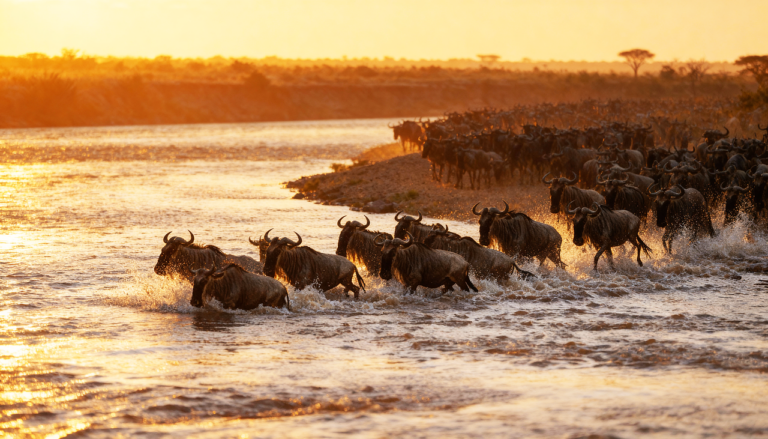
July kicks off peak safari season. The herds reach the Northern Serengeti, facing their most hazardous obstacle: crossing the crocodile-infested Mara River into the Maasai Mara.
- Wildlife Highlights: Dramatic Mara River crossings, Nile crocodiles, big cat stalks, and the Big Five.
- Weather: Sunny, dry, and cool mornings.
- Rating: 10/10
August: Peak Migration Action
August offers maximum river crossing action in the Northern Serengeti (Kogatende region). Herds crisscross the Mara River back and forth following localized rainfall.
- Wildlife Highlights: Daily river crossings, dramatic predator encounters, giant elephant herds, and rhinos.
- Weather: Dry, pleasant afternoon temperatures, and clear skies.
- Rating: 10/10
September: Golden Light & Prime Game Drives
River crossings continue throughout Northern Serengeti. With sparse vegetation, September provides some of the best golden-hour wildlife photography conditions in East Africa.
- Wildlife Highlights: River crossings, leopards in riverine trees, lions, and cheetahs.
- Weather: Dry, warm, and clear.
- Rating: 10/10
October: Late Dry Season Wildlife Concentration
Animals crowd heavily around remaining permanent water holes. While herds begin shifting southward ahead of short rains, resident wildlife viewing in Central Serengeti is exceptional.
- Wildlife Highlights: Large concentrations of elephants, buffalo herds, lions, and leopards.
- Weather: Warm and dry; short rains typically start in late October.
- Rating: 9.5/10
November: The Short Rains & Southern Migration
Short afternoon showers refresh the plains. The migration moves rapidly south through the Eastern and Central Serengeti toward Ndutu.
- Wildlife Highlights: Returning migration columns, arrival of European migratory birds, and active predators.
- Weather: Warm with brief afternoon thunder showers.
- Rating: 8/10
December: Festive Season on the Savannah
The migration reaches the southern short-grass plains once again. December is a wonderful time for holiday family safaris combining wildlife drives with luxury tented camps.
- Wildlife Highlights: Massive herds settling into Ndutu, active lion prides, and lush scenery.
- Weather: Warm with scattered light showers.
- Rating: 9/10
Where to Find the Great Migration Year-Round
| Time of Year | Serengeti Region | Primary Migration Activity |
| January – March | Southern Serengeti & Ndutu | Calving season, heavy predator action |
| April – May | Western Corridor & Central Serengeti | Moving columns, Grumeti River encounters |
| June – July | Central to Northern Serengeti | Transitioning north, early river crossings |
| August – October | Northern Serengeti (Kogatende / Mara River) | Dramatic Mara River crossings |
| November – December | Central to Southern Serengeti | Returning south to short-grass plains |
Best Time for Specialized Safari Experiences
Best Time for Hot Air Balloon Safaris
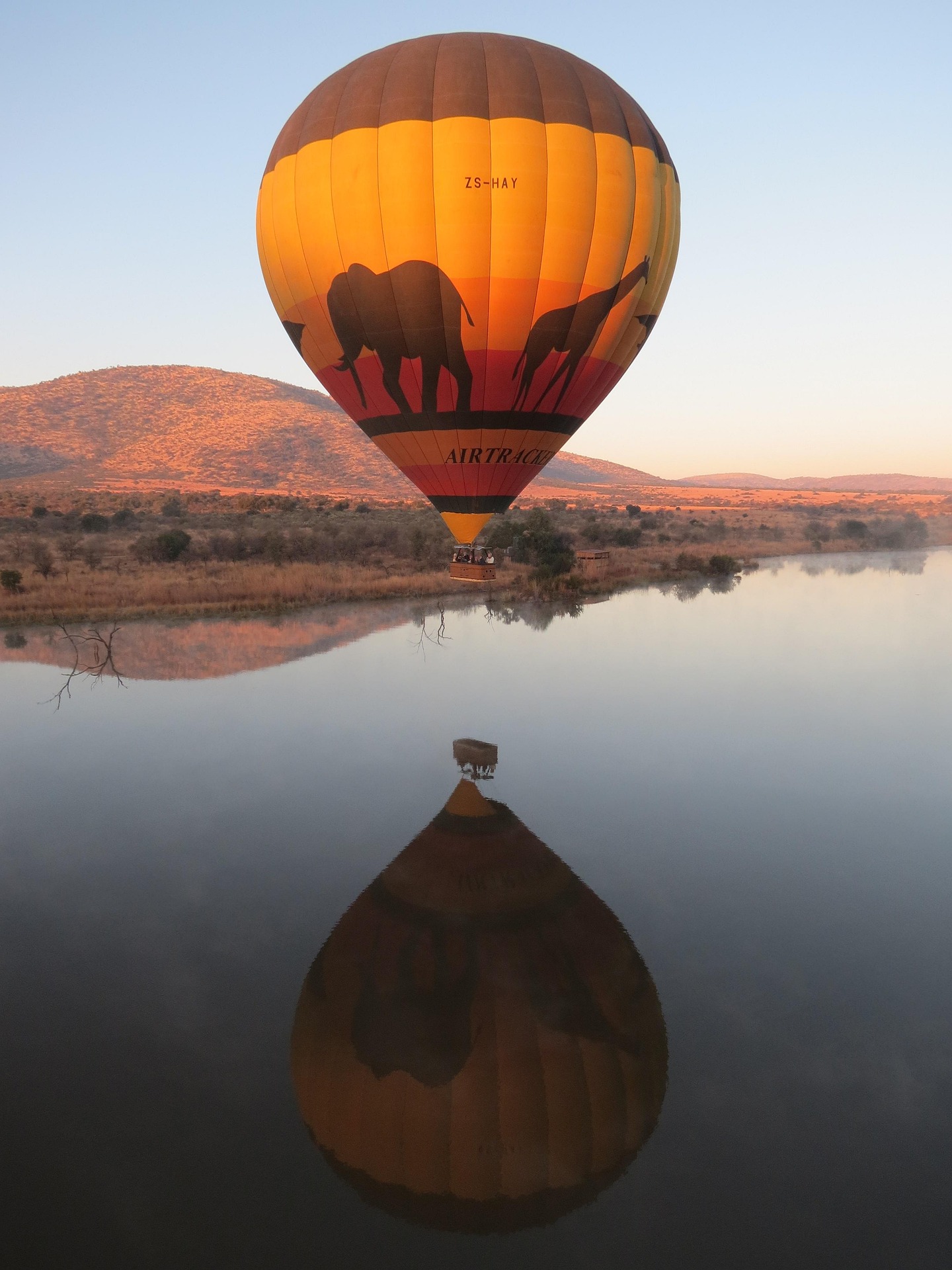
Floating quietly over the Serengeti at sunrise is possible year-round in Central Serengeti, while seasonal camps operate in the North (July–October) and South (December–March). Read our complete guide to Hot Air Balloon Safaris in Tanzania to plan your flight.
Best Time for Photography
- January to March: For dramatic newborn/predator action, green contrasts, and cloud formations.
- July to October: For dust-filled golden sunsets, river crossing action, and clean line-of-sight game spotting.
Best Time to Combine Serengeti with Other Destinations
- Serengeti + Ngorongoro Crater: Ideal year-round. Check our Ngorongoro Crater Safari Guide for full crater details.
- Serengeti + Kilimanjaro Climb: Best from July to October or January to March when mountain trails are dry. Explore our Kilimanjaro Climbing Routes Guide.
- Serengeti + Zanzibar Beach: Best from June to October or December to February. Ensure you check the official Zanzibar Travel Insurance Requirements before flying to the coast.
Tanzania Safari FAQs
Get a free quote in less than 24hrs
Tell us about your trip, and we’ll create a personalized safari itinerary for your preferences, budget, and travel dates.
Ready to Explore? Let’s Chat About Your Dream Trip.
We’ll turn your travel ideas into reality. Speak with our local safari specialists and receive a custom-made itinerary designed around your travel dates, interests, and budget.