Rate: From $900 to $9928
Best time: June to October
High season: July to September
Overview
Discover Serengeti National Park – Tanzania’s Ultimate Safari Destination
The word Serengeti comes from the Maasai language “Siringet,” meaning “endless plains.” This perfectly describes the vast savannah landscapes that make Serengeti National Park one of the most iconic wildlife destinations on Earth. Located in northern Tanzania, the park was established in 1951, making it the country’s oldest national park and a UNESCO-recognized ecosystem renowned for its extraordinary biodiversity.
Covering 14,763 square kilometers (5,700 square miles), Serengeti National Park forms the heart of the greater Serengeti–Mara ecosystem, which includes the famous Masai Mara National Reserve and the nearby Ngorongoro Conservation Area. Together, these protected landscapes create one of the most spectacular wildlife regions in Africa.
The Serengeti is world-famous for its incredible wildlife densities, breathtaking scenery, and the legendary Great Wildebeest Migration, making it consistently ranked among the best safari destinations in Africa.
Top things to do in Serengeti
A game drive is the classic Serengeti safari experience. Guided by professional safari experts in specially equipped 4×4 safari vehicles, visitors explore the park’s vast plains in search of wildlife including the Big Five – lions, elephants, buffalo, leopards, and rhinos.
Game drives often take place during the early morning and late afternoon, when wildlife is most active. Expect unforgettable sightings of predators hunting, elephants roaming the plains, and massive herds of grazing animals.
Hot Air Balloon Safari
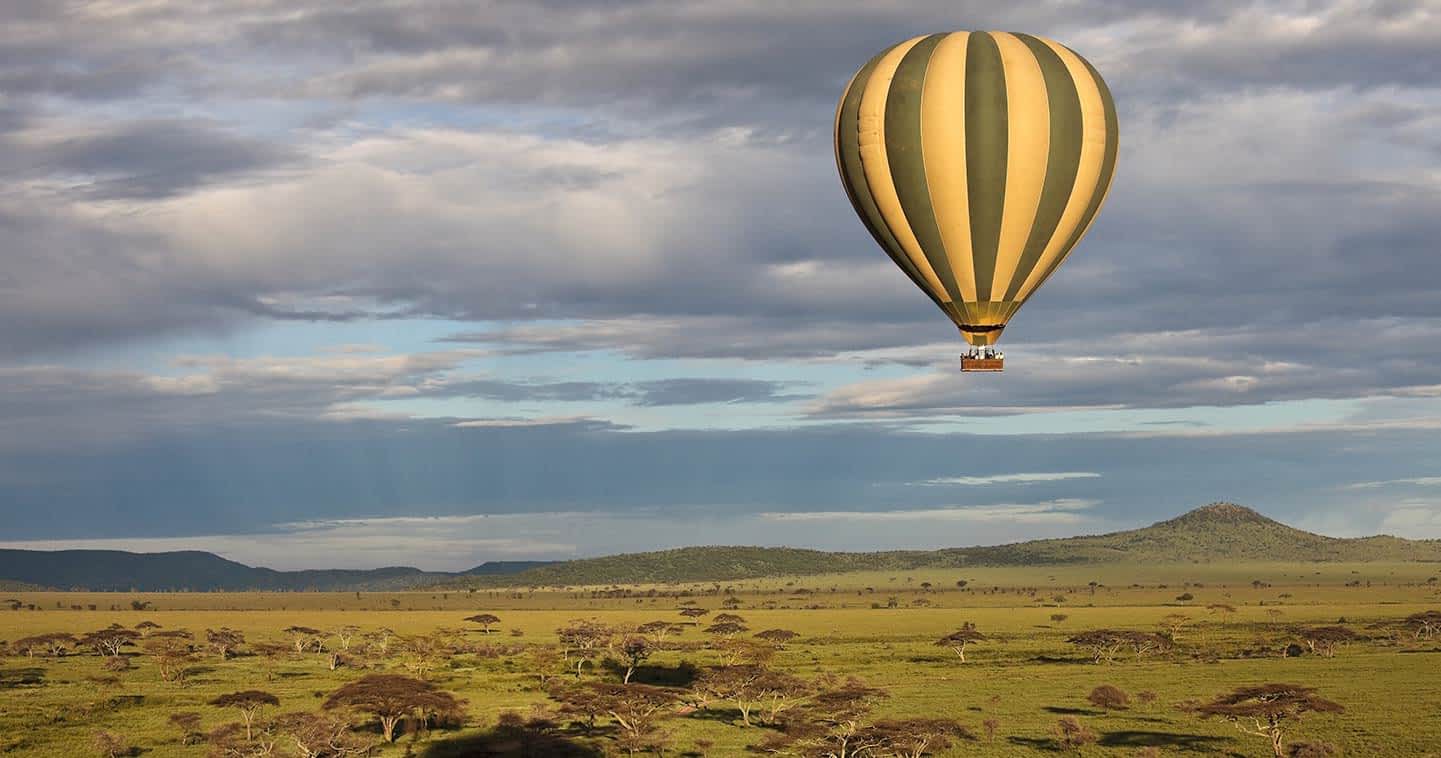
One of the most extraordinary ways to experience the Serengeti is from the sky. A hot air balloon safari lifts off at sunrise, drifting silently above the endless plains as wildlife moves below.
After the flight, guests celebrate with a champagne bush breakfast, creating one of the most memorable safari experiences available in Africa.
Great Wildebeest Migration
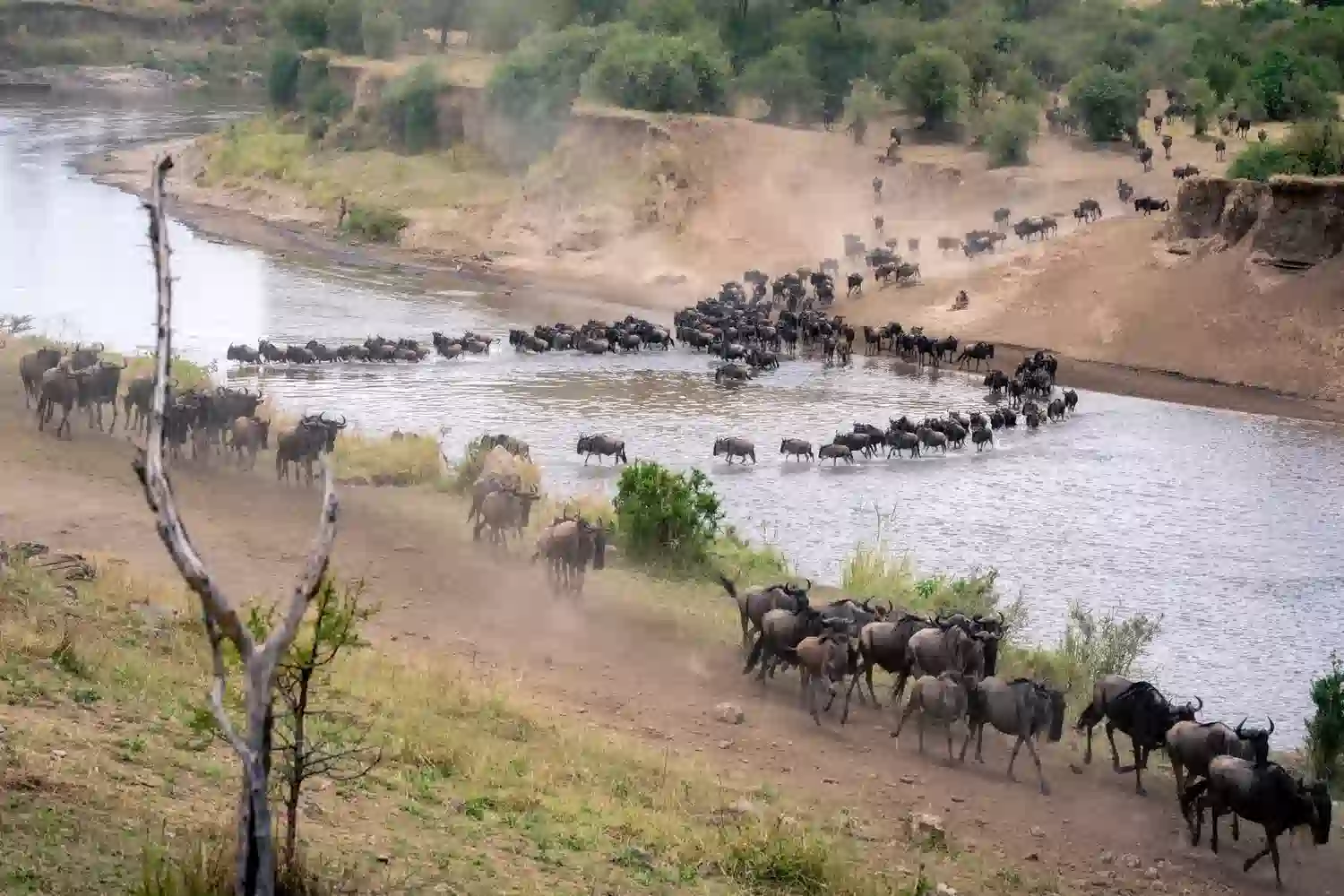
The Great Migration is considered one of the greatest wildlife spectacles on Earth. Each year, more than two million wildebeest, zebras, and gazelles move across the Serengeti ecosystem in search of fresh grazing.
This incredible journey includes dramatic moments such as:
- Massive herds crossing the Grumeti River
- Thrilling Mara River crossings
- Predator encounters with lions, cheetahs, and crocodiles
Because the migration moves continuously throughout the year, visitors can witness different stages of this spectacular event across various parts of the Serengeti.
Walking Safaris

A walking safari offers a completely different perspective of the African wilderness. Led by trained guides and armed rangers, guests explore remote areas of the park on foot.
This immersive experience allows visitors to observe:
- Animal tracks and footprints
- Native plants and ecosystems
- Birdlife and smaller wildlife often missed on game drives
Walking through the Serengeti connects travelers with the landscape in a deeper and more authentic way.
Bird Watching
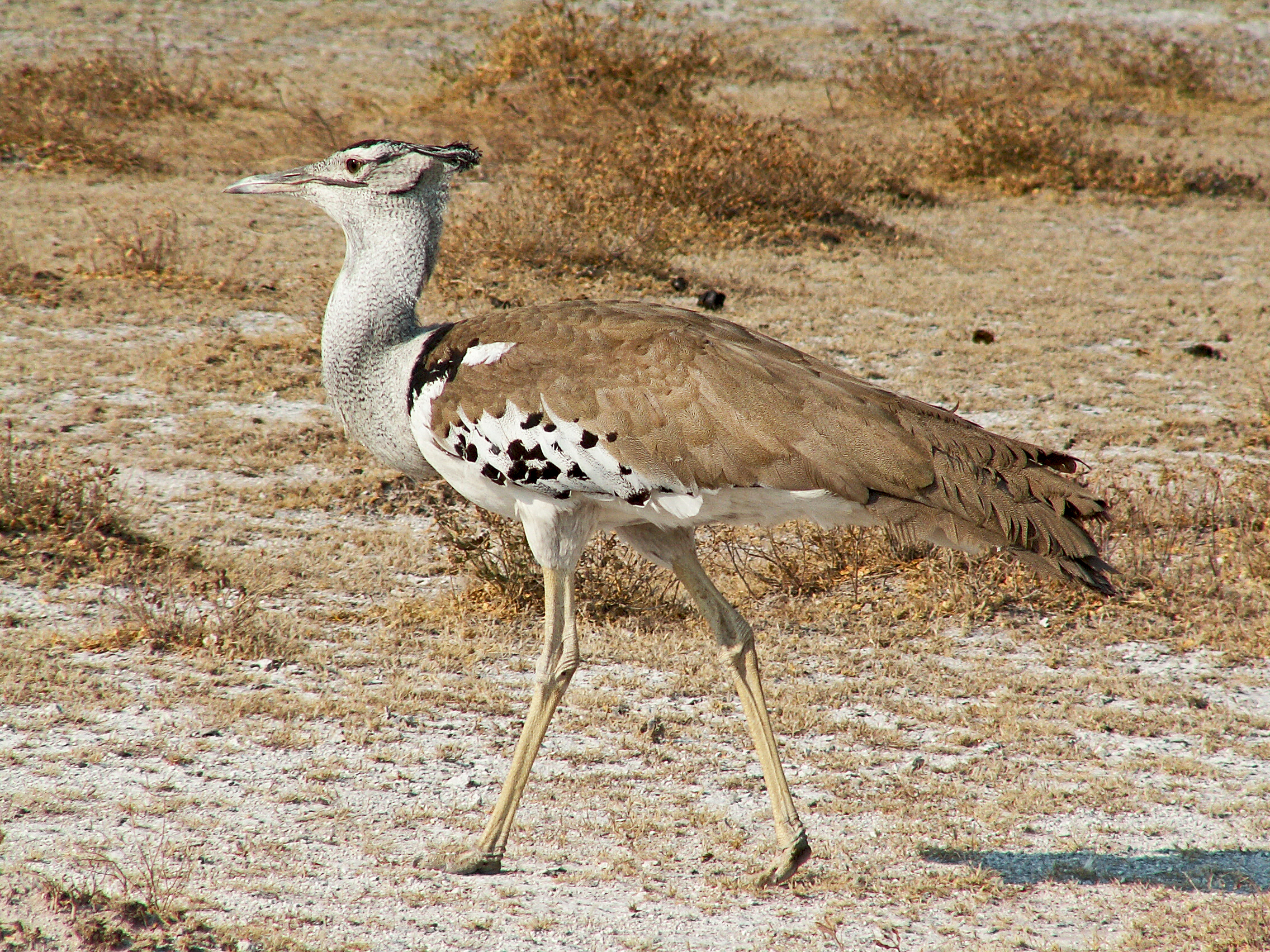
The Serengeti is also a paradise for bird lovers, hosting over 500 bird species. From powerful raptors to colorful savannah birds, the park offers exceptional birdwatching opportunities.
Some notable species include:
- Lilac-breasted roller
- Kori bustard
- Fischer’s lovebird
- Grey-rumped spurfowl
Best time to visit
The best time for a Serengeti safari is generally during the dry season from June to October, when wildlife is easier to spot and the famous river crossings of the Great Migration occur.
However, the Serengeti offers incredible experiences year-round.
January – February
Green season with lush landscapes and the wildebeest calving season in the Ndutu region.
March
Transition period as rains may begin.
April – May
Rainy season with fewer tourists and dramatic scenery.
June – August
Start of the dry season and peak safari months, including migration river crossings.
September – October
Excellent wildlife viewing with fewer crowds.
November – December
Short rains return and the migration begins moving back toward the southern Serengeti plains.
How to get to Serengeti National Park
By Road
Most safaris begin in the safari hub of Arusha. The drive to Serengeti takes approximately 7 hours (318 km) and usually includes stops at other famous parks such as Tarangire National Park and the Ngorongoro Crater.
This drive-in safari route allows travelers to enjoy multiple wildlife destinations during one itinerary.
By Air
For travelers seeking a faster option, scheduled and charter flights connect Serengeti airstrips with:
- Kilimanjaro International Airport
- Zanzibar International Airport
- Dar es Salaam
Flights land at several airstrips within the Serengeti, allowing direct access to remote safari camps and lodges.
Best places to Stay in Serengeti National Park
The Serengeti ecosystem is divided into four main regions, each offering unique wildlife experiences:
- Central Serengeti (Seronera) – excellent year-round wildlife viewing
- Southern Serengeti – calving season and massive herds
- Western Corridor – Grumeti River crossings
- Northern Serengeti – famous Mara River migration crossings
Accommodation options include:
- Public camping sites (budget option)
- Special campsites
- Seasonal migration camps
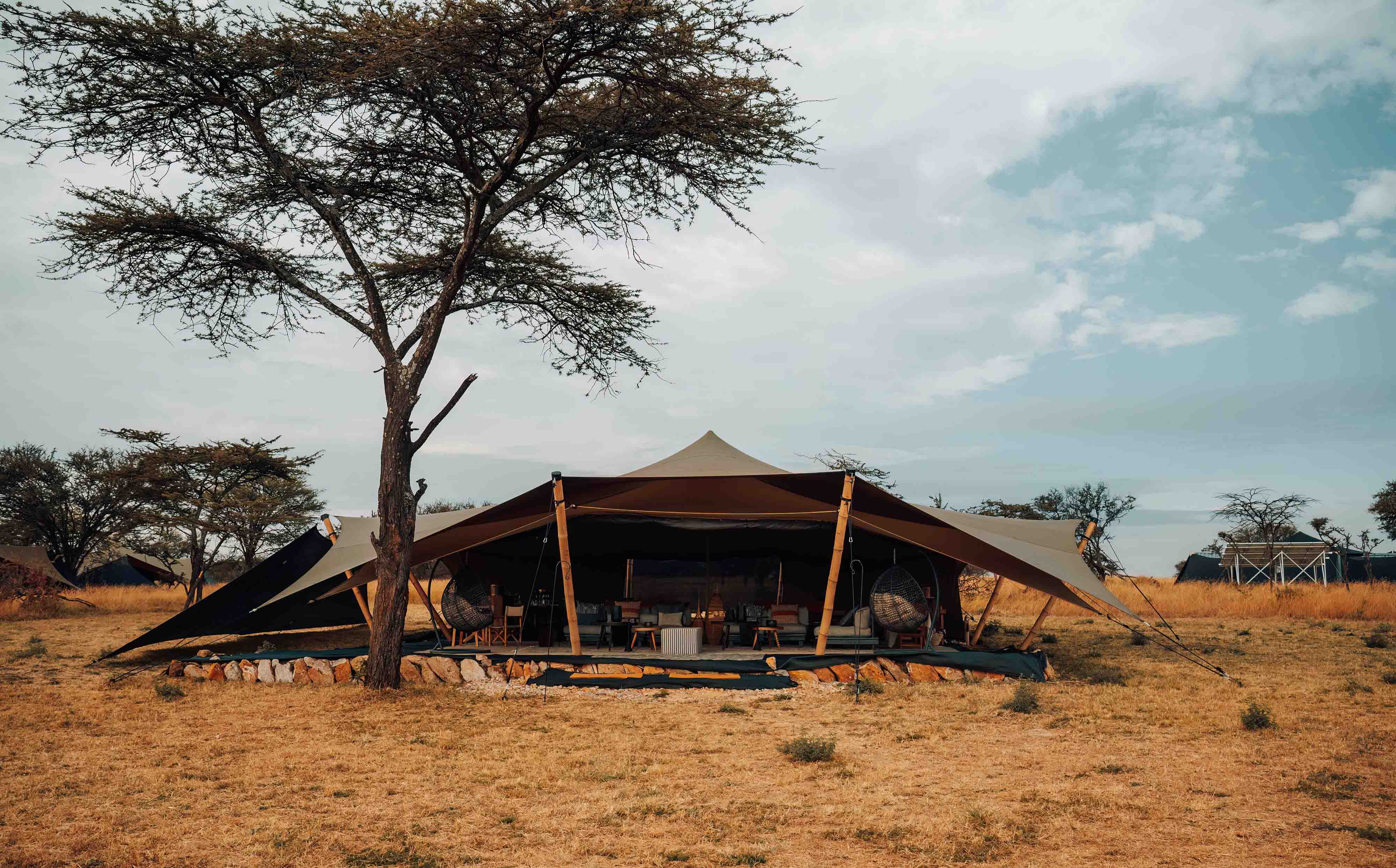
- Luxury tented camps
- Safari lodges
Because the Serengeti is remote, many lodges operate with high logistical costs, which is why accommodation prices are generally higher than in other parks.
