Rate: From $250 to $3080
Best time: June to October
High season: June to Febuary
Overview
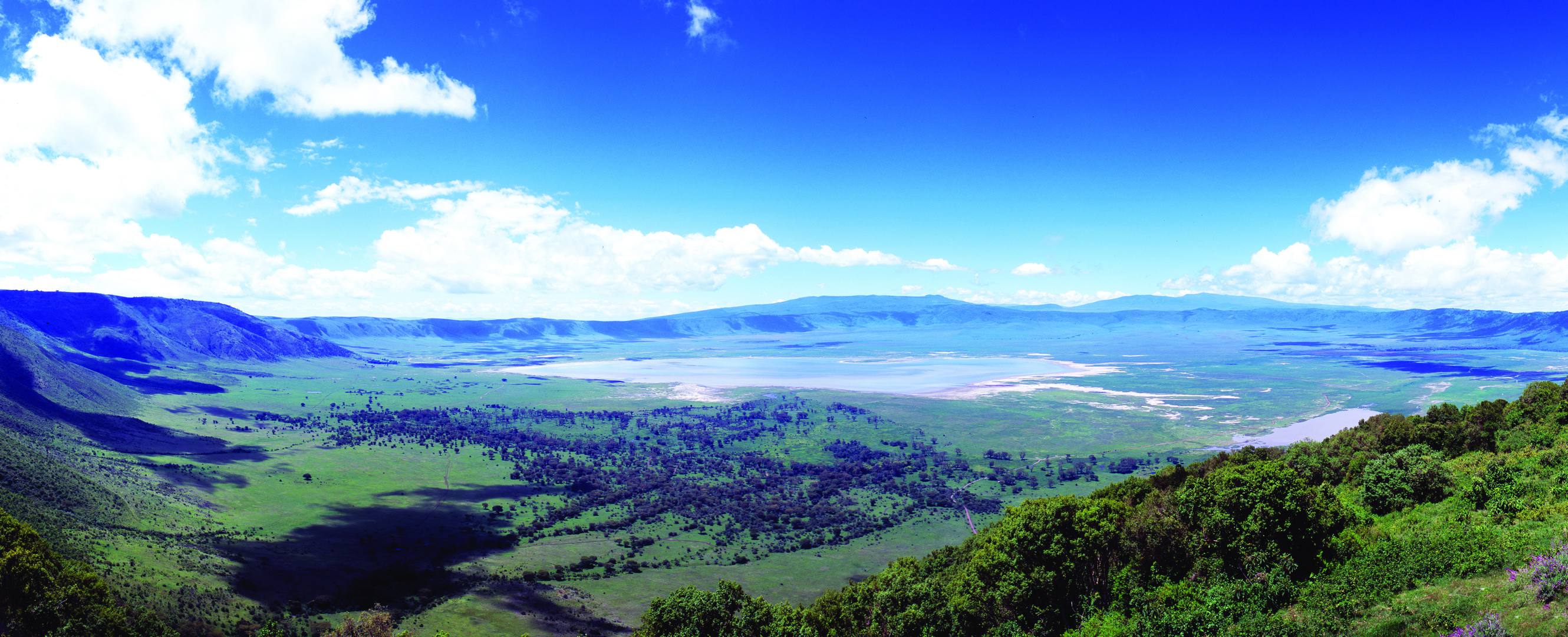
Discover the Ngorongoro Crater – Africa’s Natural Wildlife Sanctuary
The breathtaking Ngorongoro Conservation Area is one of Africa’s most extraordinary safari destinations. At its heart lies the world-famous Ngorongoro Crater — the largest intact volcanic caldera on Earth. Formed around 2.5 million years ago after a massive volcano collapsed, the crater created a natural wildlife sanctuary that today supports one of the highest densities of animals in Africa.
The conservation area covers 8,292 square kilometers, while the crater itself spans 16–19 km across with walls rising 610 meters above the crater floor. Inside this natural amphitheater lives an astonishing concentration of wildlife, including elephants, lions, buffalo, zebras, wildebeest, hippos, and the endangered black rhino.
Recognized as a UNESCO World Heritage Site, Ngorongoro offers one of the most spectacular wildlife viewing experiences in Tanzania and is an essential stop on the famous Northern Safari Circuit.
Top Attractions in the Ngorongoro Conservation Area
Ngorongoro Crater

The crater floor hosts over 25,000 animals, making it one of the best places in Africa to see the Big Five in a single day. Wildlife commonly spotted here includes:
- Lions
- Elephants
- Buffalo
- Black rhinos
- Zebras and wildebeest
- Hyenas and jackals
The alkaline Lake Magadi, located in the center of the crater, attracts thousands of flamingos and other water birds, creating one of the most photogenic landscapes in Tanzania.
Empakaai Crater
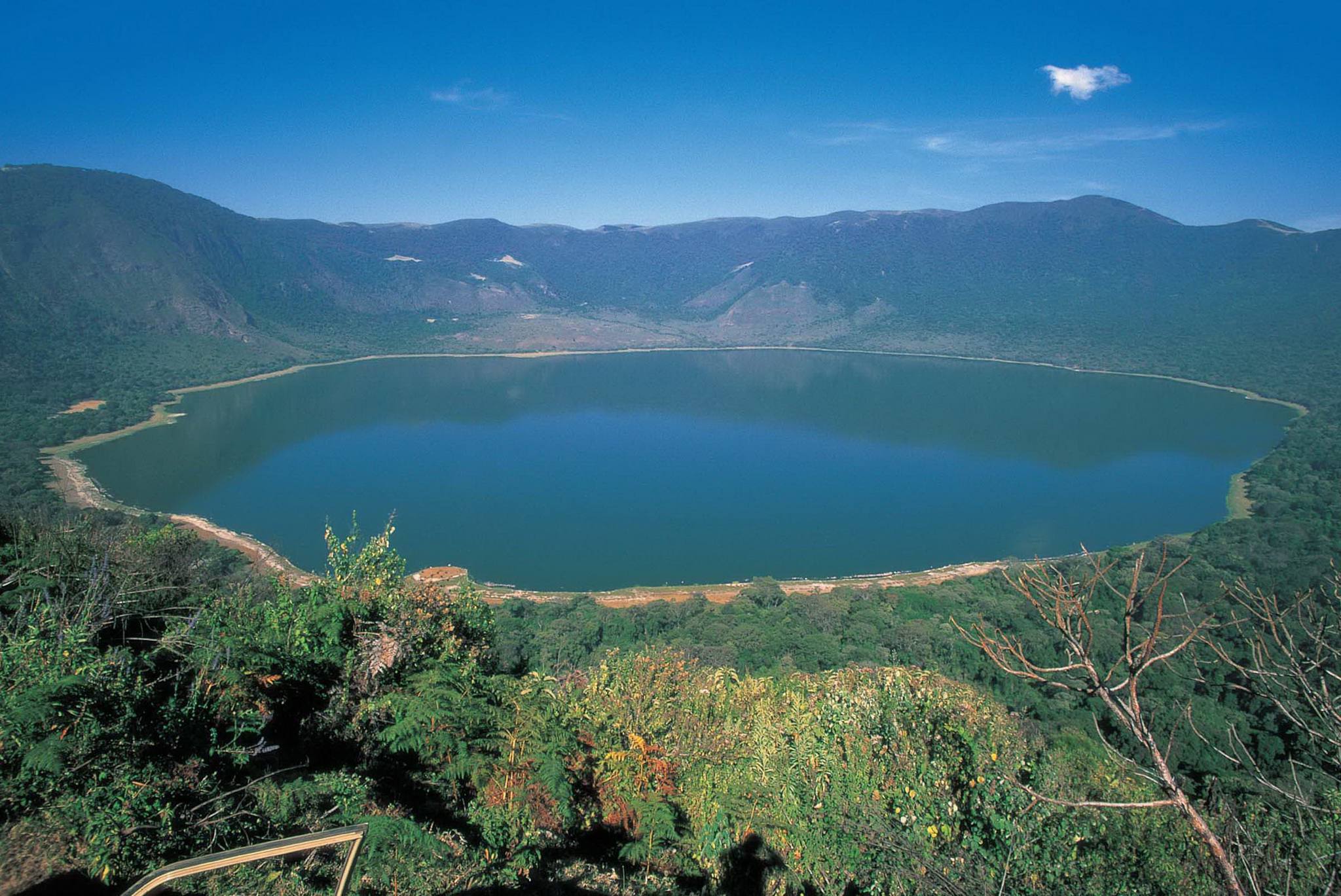
Hidden in the eastern Ngorongoro Highlands, Empakaai Crater is a stunning and lesser-visited destination. A large crater lake surrounded by steep forested walls provides an incredible setting for guided hiking safaris.
Visitors can descend from the crater rim to the lake shore while enjoying spectacular views and exceptional birdwatching opportunities.
Olmoti Crater
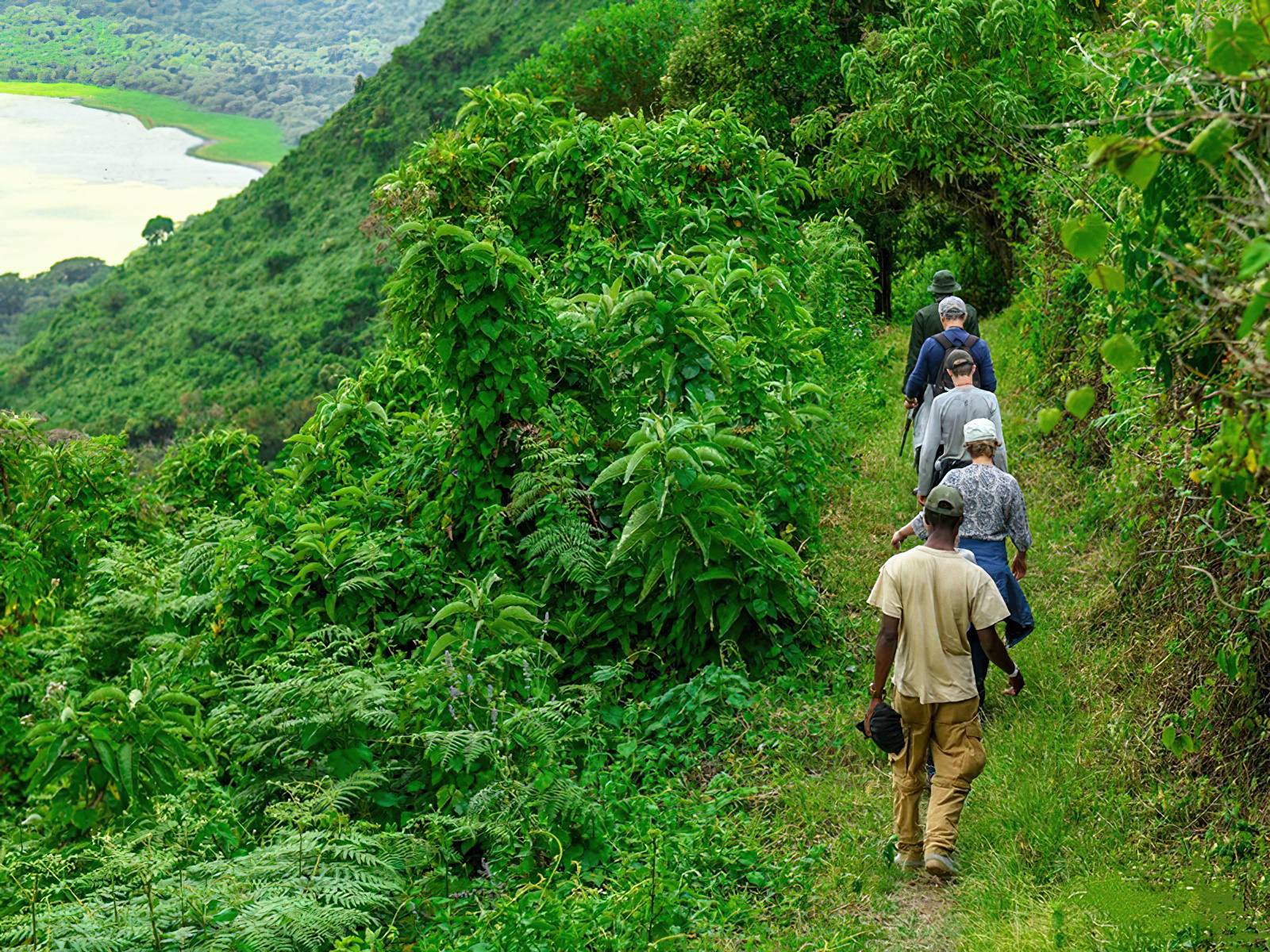
Located in the highlands of Ngorongoro, Olmoti Crater is perfect for off-the-beaten-path walking safaris. The grassy crater floor attracts wildlife such as buffalo, eland, and bushbuck, while the impressive Munge Waterfall cascades dramatically into a deep ravine.
Olduvai Gorge – Cradle of Humankind
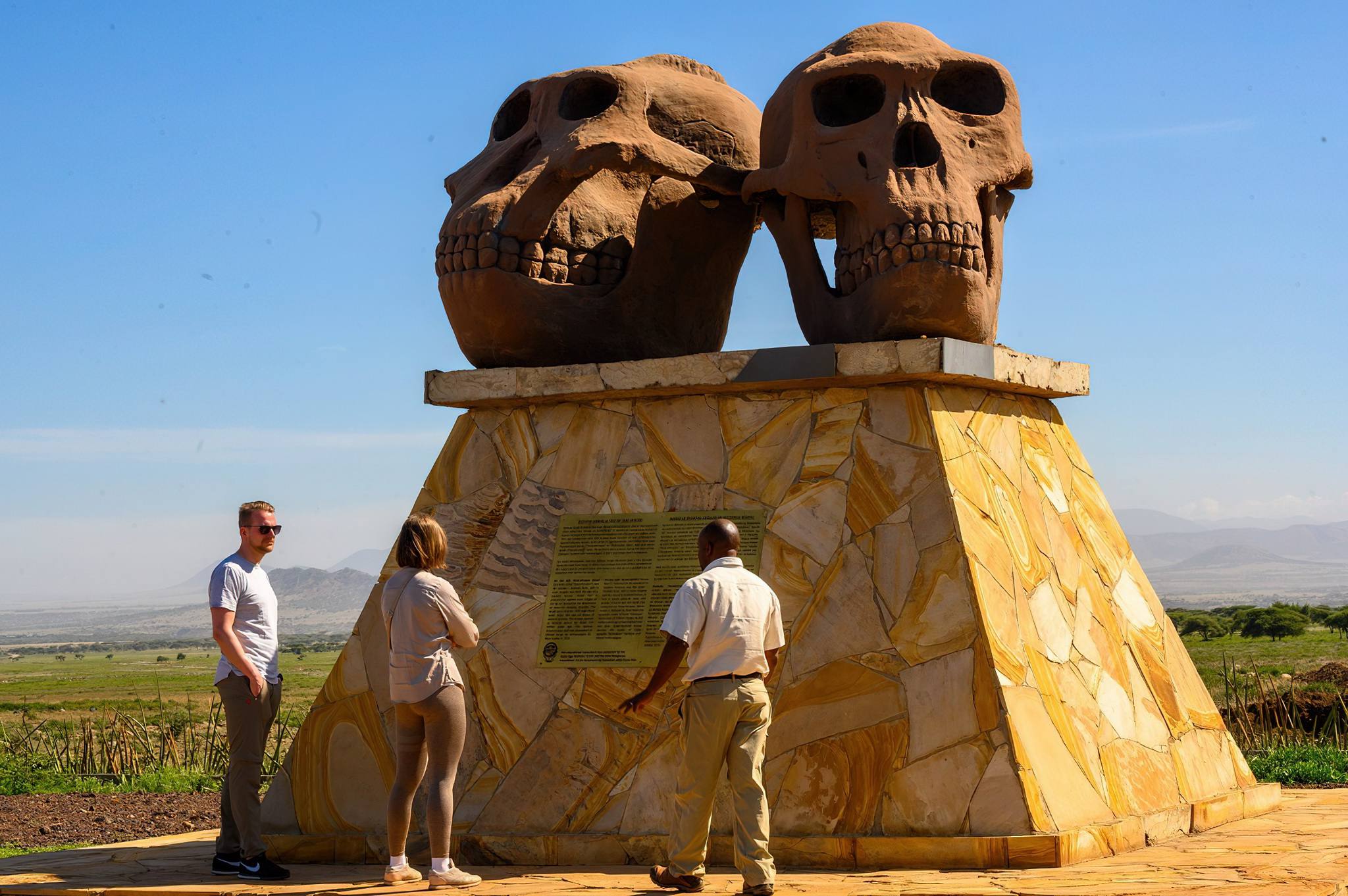
The legendary Olduvai Gorge is one of the most important archaeological sites in the world. Fossils discovered here show evidence of early human ancestors dating back nearly 2 million years.
The Olduvai Museum displays ancient stone tools and fossils that help scientists understand human evolution, earning the site the nickname “Cradle of Mankind.”
Laetoli Footprints
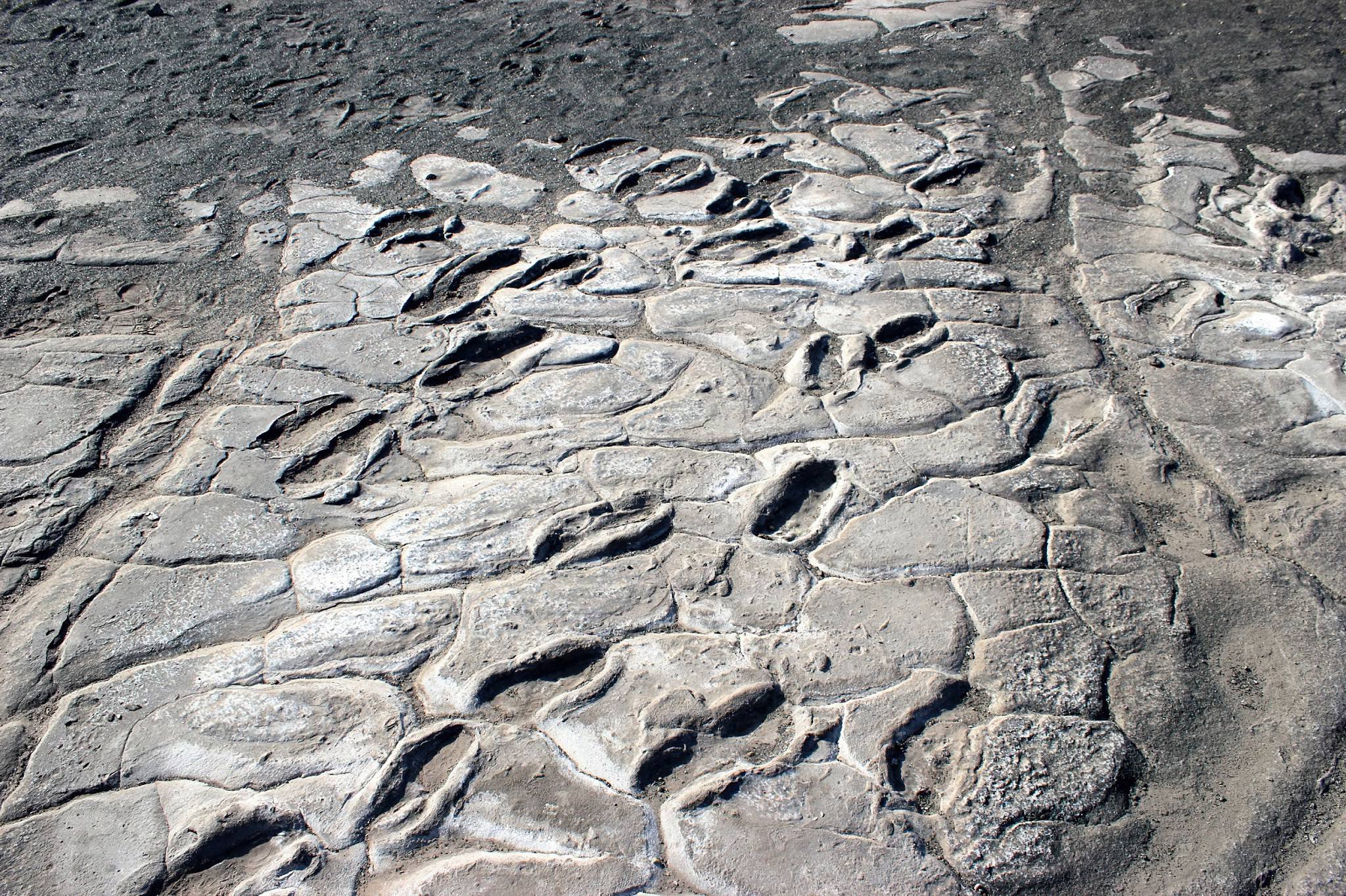
Located within the conservation area, the Laetoli Footprints are among the oldest known evidence of human ancestors walking upright. These 3.6-million-year-old footprints, preserved in volcanic ash, belong to the early hominid Australopithecus afarensis and remain one of the most important discoveries in human history.
Things to Do in Ngorongoro Conservation Area
Game Drives

Game drives inside the crater offer some of the best wildlife viewing in Africa. Early morning drives are especially rewarding as animals are more active and predators are often hunting.
Bird Watching
The Ngorongoro ecosystem hosts over 500 bird species, including both resident birds and seasonal migrants from Europe and Asia. Birdwatchers may see species such as:
- Lesser kestrel
- European swallow
- Eurasian bee-eater
- Montagu’s harrier
Nature Walks
Guided walking safaris are available in areas outside the crater, allowing visitors to explore the beautiful landscapes of the Ngorongoro Highlands. Popular walking destinations include Empakaai Crater, Olmoti Crater, and the slopes of Oldoinyo Lengai volcano.
Bush Camping & Cultural Experiences
Camping in Ngorongoro offers an authentic safari atmosphere. Campsites allow travelers to experience the African wilderness up close while enjoying nightly campfires and the sounds of wildlife under the stars.
Best Time to Visit Ngorongoro

Ngorongoro offers excellent wildlife viewing year-round, but the dry season (June to October) is generally considered the best time to visit. During this period:
- Grass is shorter, making wildlife easier to spot
- Animals gather around water sources
- Road conditions are ideal for safari drives
The wet season (November to May) transforms the area into a lush green landscape and is also an excellent time for birdwatching and photography.
Getting to Ngorongoro Conservation Area
The conservation area is easily accessible from the safari gateway city of Arusha.
Travel options include:
- Road safaris through the Northern Circuit
- Charter or scheduled flights to nearby airstrips
- Combined safaris visiting Serengeti National Park, Lake Manyara National Park, and Tarangire National Park.
Most international travelers arrive via Kilimanjaro International Airport before continuing their safari journey.
Where to Stay in Ngorongoro

Accommodation options within the Ngorongoro Conservation Area range from luxury crater-rim lodges to tented safari camps and campsites.
Popular choices include:
- Luxury crater rim lodges
- Seasonal safari camps near migration areas
- Mid-range tented lodges
- Budget campsites such as Simba Campsite
Staying on the crater rim allows visitors to descend early into the crater, maximizing wildlife viewing opportunities.
